Survival Day vs Australia Day: What Is the Difference?
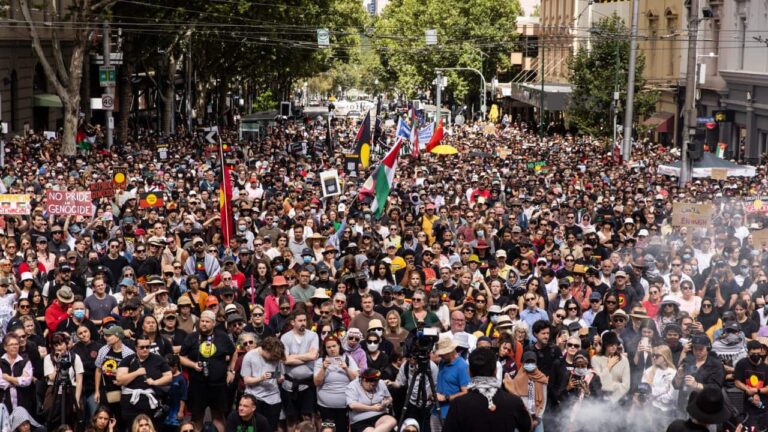
Survival Day and Australia Day fall on the same 26 January but tell very different stories. Here is what each one means and where they came from.


Survival Day and Australia Day fall on the same 26 January but tell very different stories. Here is what each one means and where they came from.
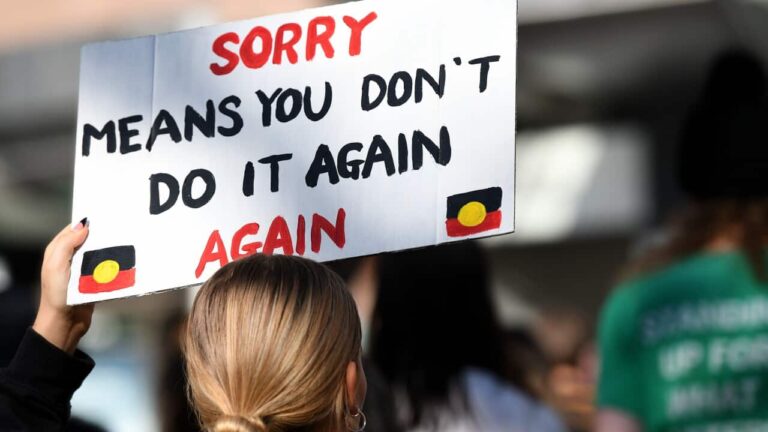
National Sorry Day is observed in Australia each 26 May. Here is what it commemorates, how it began, and how Australians mark it today.
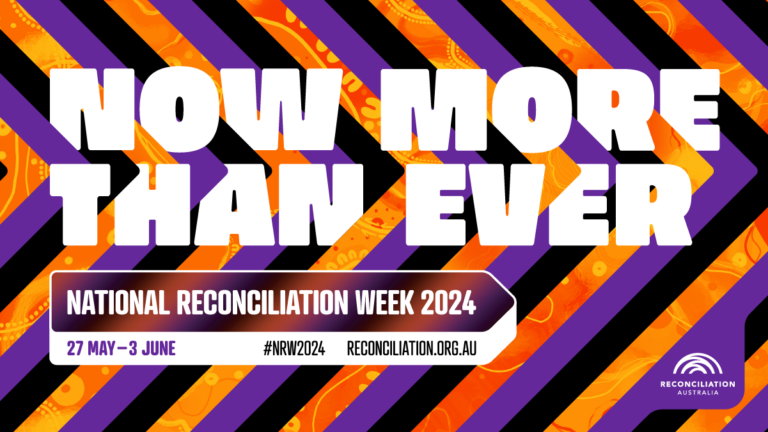
National Reconciliation Week (NRW) runs 27 May to 3 June each year. Here is what it means, why those dates matter, and how Australians take part.
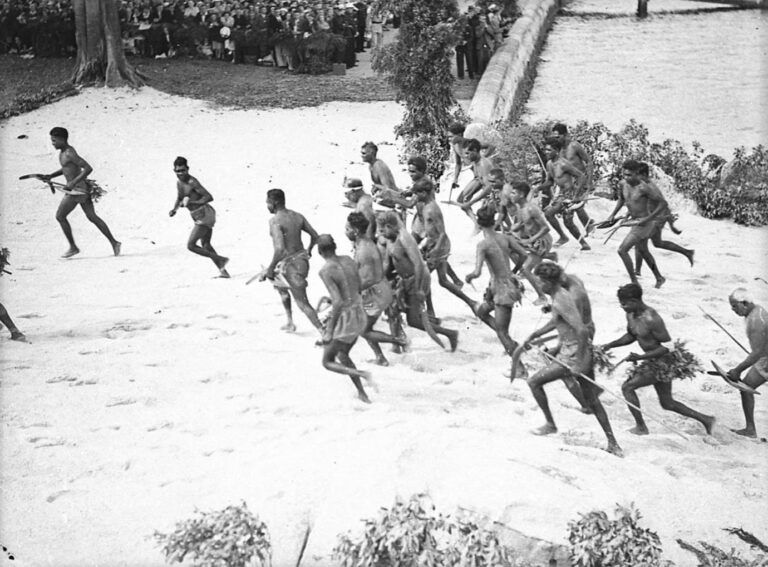
From the 1938 Day of Mourning to a full week of celebration, here is the history of NAIDOC Week in Australia and the activists who built it.
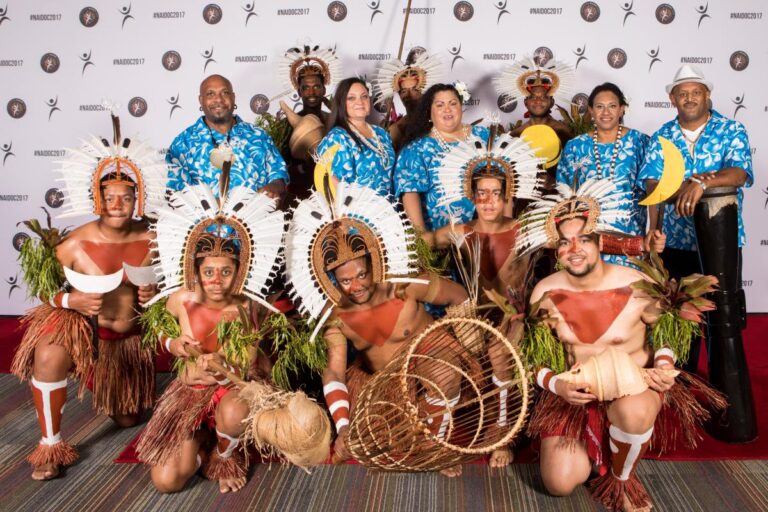
NAIDOC Week celebrates the history, culture and achievements of Aboriginal and Torres Strait Islander peoples each July. Here is what it is and why it matters.
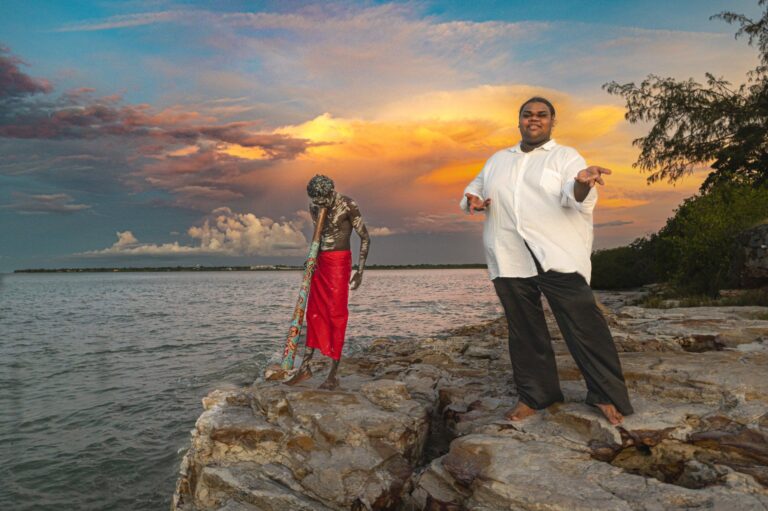
A Welcome to Country is a ceremony performed by Traditional Owners, while an Acknowledgement of Country is a statement of respect that anyone can deliver. Here is how they differ, when to use each, and example wording for your event.
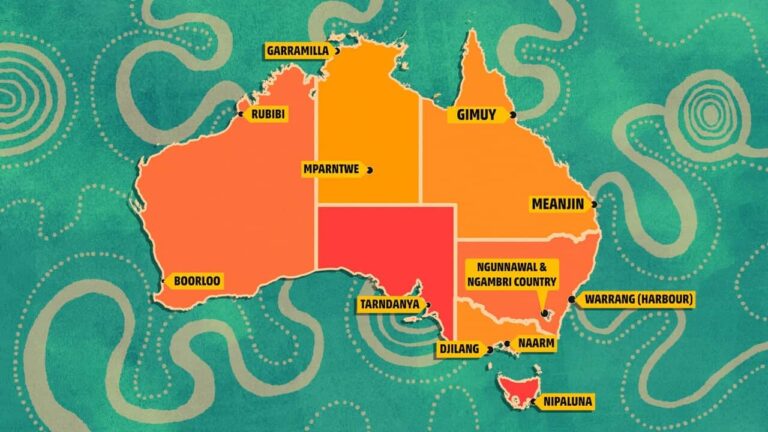
There are around 250 language groups and up to 500 to 600 Aboriginal nations in Australia, each with its own Country, Mob name, and Lore.

Aboriginal and Torres Strait Islander peoples are Australia's two distinct First Nations. Here is what sets their geography, languages, art, spiritual systems and identity apart.
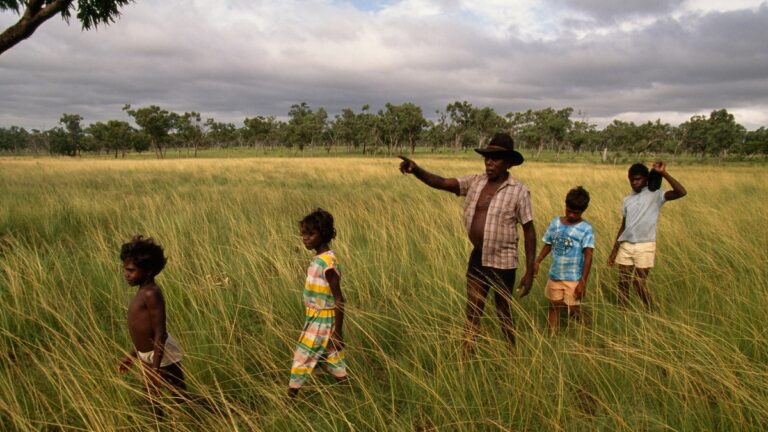
Connection to Country is a sense of belonging, identity, and reciprocal responsibility that Aboriginal and Torres Strait Islander peoples hold for the lands, waters, and skies of their ancestral territories.
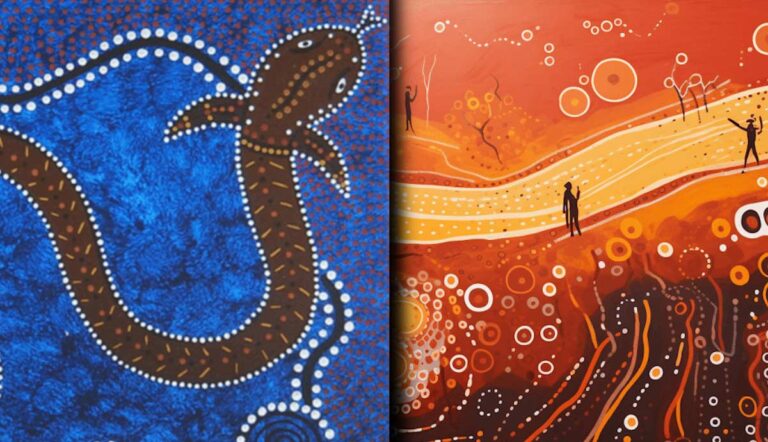
The Dreamtime is the foundation of Aboriginal religion and culture, a timeless sacred era in which Ancestor Spirits created the land, the laws, and all living things. It is not a distant past but a living continuum of past, present, and future.