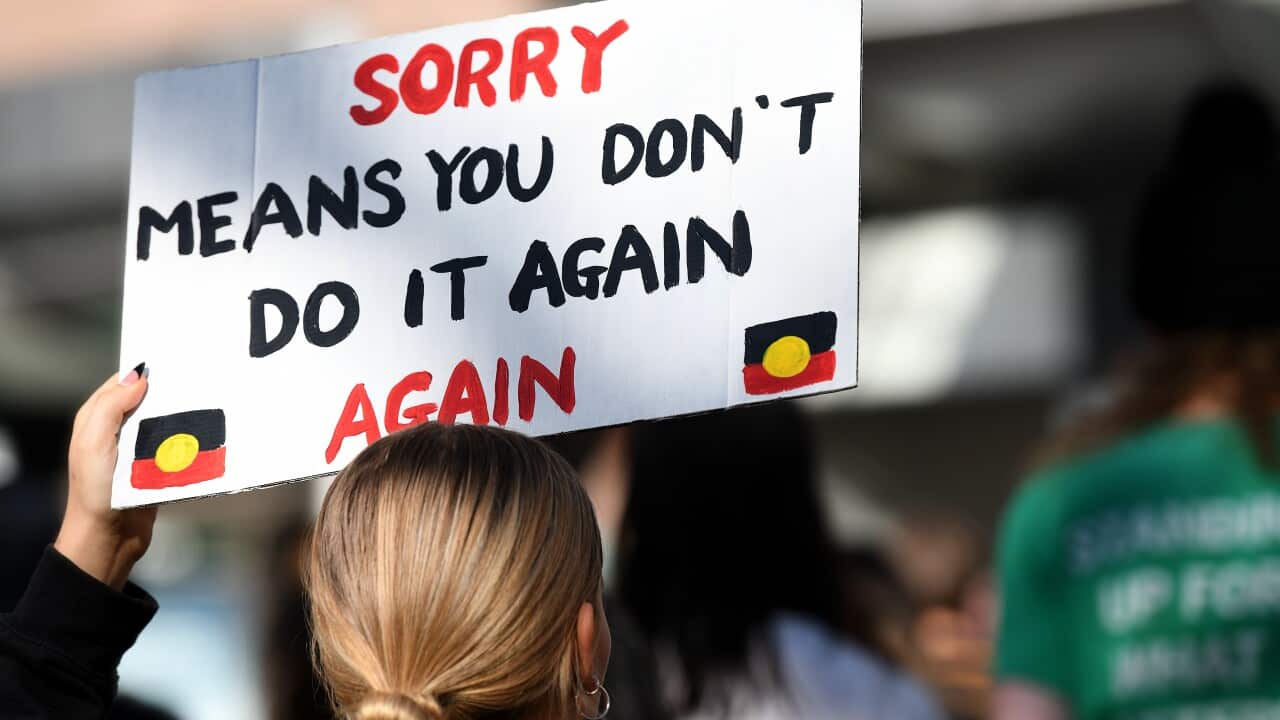
National Sorry Day is held in Australia every year on 26 May. It is a day of remembrance for the Stolen Generations, the Aboriginal and Torres Strait Islander children who were forcibly removed from their families under past government policies, and a moment for the wider community to acknowledge that history and the healing still to come.
What National Sorry Day is
National Sorry Day, officially known as the National Day of Healing, honours Aboriginal and Torres Strait Islander survivors of forced family removal policies. The observance commemorates the strength of Stolen Generations Survivors and reflects on what is needed to address ongoing intergenerational trauma. It also marks the beginning of National Reconciliation Week, which runs from 27 May to 3 June each year.
The Stolen Generations and Bringing Them Home
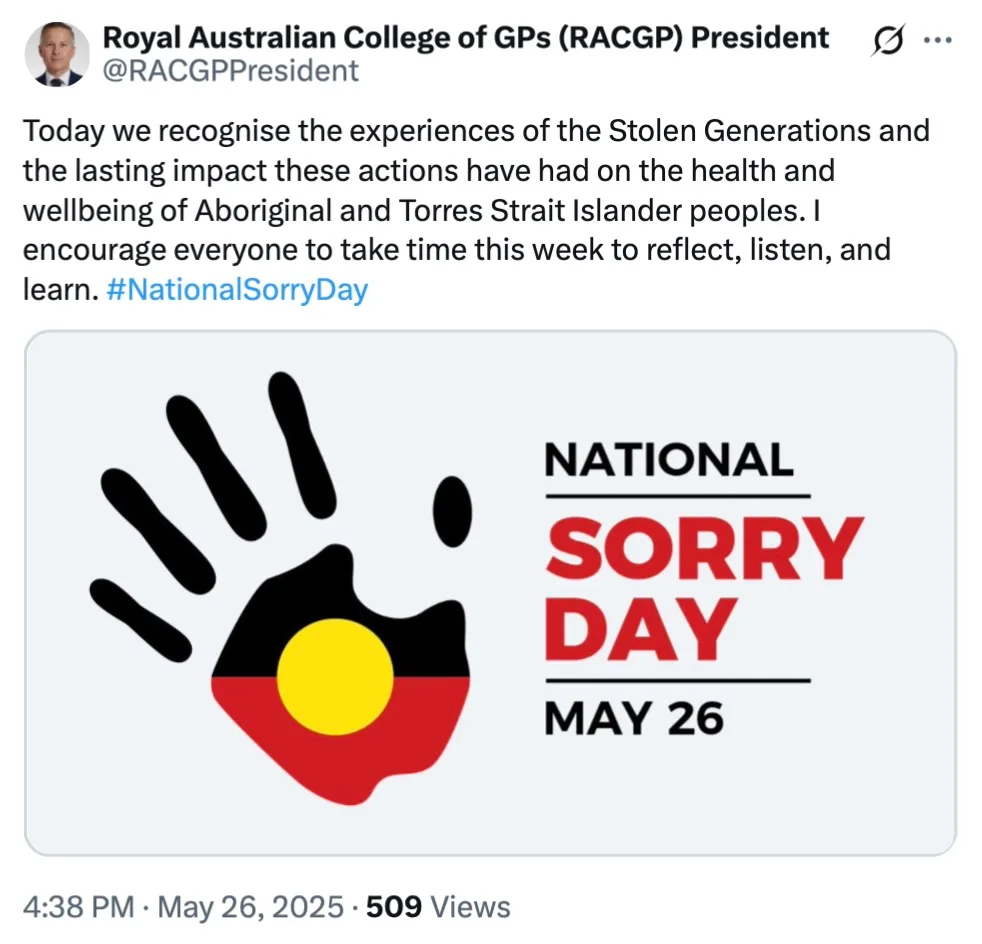
The Stolen Generations refers to Aboriginal and Torres Strait Islander children who were forcibly separated from their families and communities throughout the 20th century under assimilation policies. Removals took place in every Australian state and territory and created untold grief and trauma that continues across generations.
In 1997, the Bringing Them Home report was tabled in Parliament. It was the first comprehensive documentation of Stolen Generations experiences and made 54 recommendations, including funding for Indigenous healing services and formal apologies. A 2025 Healing Foundation report found that only 6% of the report’s recommendations had been implemented in the 28 years since.
The first Sorry Day in 1998
The first National Sorry Day was held on 26 May 1998 by a coalition of Australian community groups. The date was chosen to mark one year after the Bringing Them Home report was tabled. From the start, the day was led by community organisations and survivor groups rather than government.
Prime Minister John Howard declined to deliver a formal apology in 1998, although the Parliament passed a Motion of Reconciliation in 1999. The lack of a national apology in those years became one of the reasons community-led commemorations grew in scale, culminating in the 2000 bridge walks the following year.
The 2008 National Apology

On 13 February 2008, Prime Minister Kevin Rudd delivered a formal national apology to Aboriginal and Torres Strait Islander peoples, particularly to the Stolen Generations. It was the first national apology issued by an Australian Prime Minister and represented the first formal national acknowledgment of the profound suffering caused by removal policies.
The apology is now commemorated annually on 13 February as National Apology Day, a separate observance from National Sorry Day on 26 May. The two days together mark different moments in the same story: community-led remembrance, and a national statement of acknowledgment, see the National Apology record at the National Museum of Australia.
Renamed the National Day of Healing in 2005
In 2005, Senator Aden Ridgeway tabled a motion that renamed the observance the National Day of Healing. The motion stressed the healing needed throughout Australian society if reconciliation is to be achieved. Many communities and organisations now use both names, with “National Sorry Day” still the more widely recognised title.
How Australians mark Sorry Day today
National Sorry Day is observed in workplaces, schools, councils, and community organisations across the country. Common ways to mark the day include attending memorial services and flag-raisings, hosting morning teas, listening to talks from Stolen Generations Survivors and their descendants, and supporting healing organisations such as the Healing Foundation. Many schools include age-appropriate teaching about the Stolen Generations in the lead-up to National Reconciliation Week.
The day also asks Australians to look at the present. Aboriginal and Torres Strait Islander children are still 10.6 times more likely than non-Indigenous children to be removed from their families. The number of Indigenous children in out-of-home care has risen from 9,070 in 2008 to approximately 18,900 in 2022, a sign that the issues the Bringing Them Home report raised have not gone away.
Sorry Day and the road still ahead
National Sorry Day is more than a date in May. It is a yearly invitation to remember what was done, listen to those who lived through it, and act on what reconciliation requires. The day sits alongside other moments of national reflection such as NAIDOC Week in July and the bookend of Reconciliation Week that begins the very next morning, and together they keep the conversation alive between communities, governments, and individual Australians.
Frequently asked questions
What is the purpose of National Sorry Day?
The purpose of National Sorry Day is to remember and acknowledge the mistreatment of Aboriginal and Torres Strait Islander people who were forcibly removed from their families, to honour the strength of Stolen Generations Survivors, and to reflect on the healing still needed across Australian society.
How can you explain Sorry Day to kids?
Sorry Day is a day when Australians come together to remember the Stolen Generations: First Nations children who were taken away from their families a long time ago by the government. It is a day to listen to their stories, say sorry for what happened, and learn how to do better in the future.
When was the first National Sorry Day?
The first National Sorry Day was held on 26 May 1998, one year after the Bringing Them Home report was tabled in Parliament. It has been observed on the same date every year since.
Is Sorry Day the same as National Apology Day?
No. National Sorry Day is observed on 26 May and is a community-led day of remembrance. National Apology Day on 13 February commemorates Prime Minister Kevin Rudd’s 2008 formal apology to the Stolen Generations. They are two separate observances marking different parts of the same story.