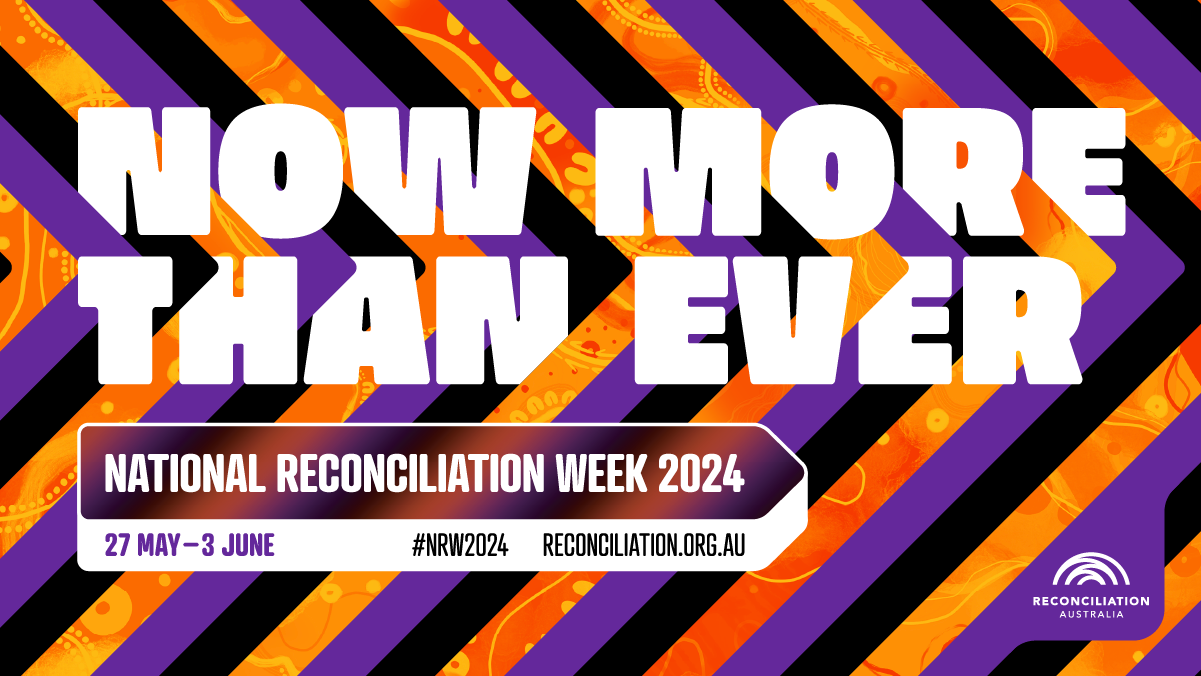
National Reconciliation Week is held every year from 27 May to 3 June. It is a national observance in Australia that invites every community, workplace, school, and household to learn about shared histories, reflect on past wrongs, and act towards reconciliation between Aboriginal and Torres Strait Islander peoples and the wider Australian community.
What National Reconciliation Week is
National Reconciliation Week, often shortened to NRW, is an annual event designed to foster dialogue about shared Australian histories and cultures. It is a time for all Australians to learn about our shared histories, cultures, and achievements, and to explore how each of us can contribute to achieving reconciliation.
NRW is led nationally by Reconciliation Australia, the independent body that was established in 2001 to provide ongoing national leadership on reconciliation initiatives after the Council for Aboriginal Reconciliation completed its work.
Why the dates 27 May and 3 June matter
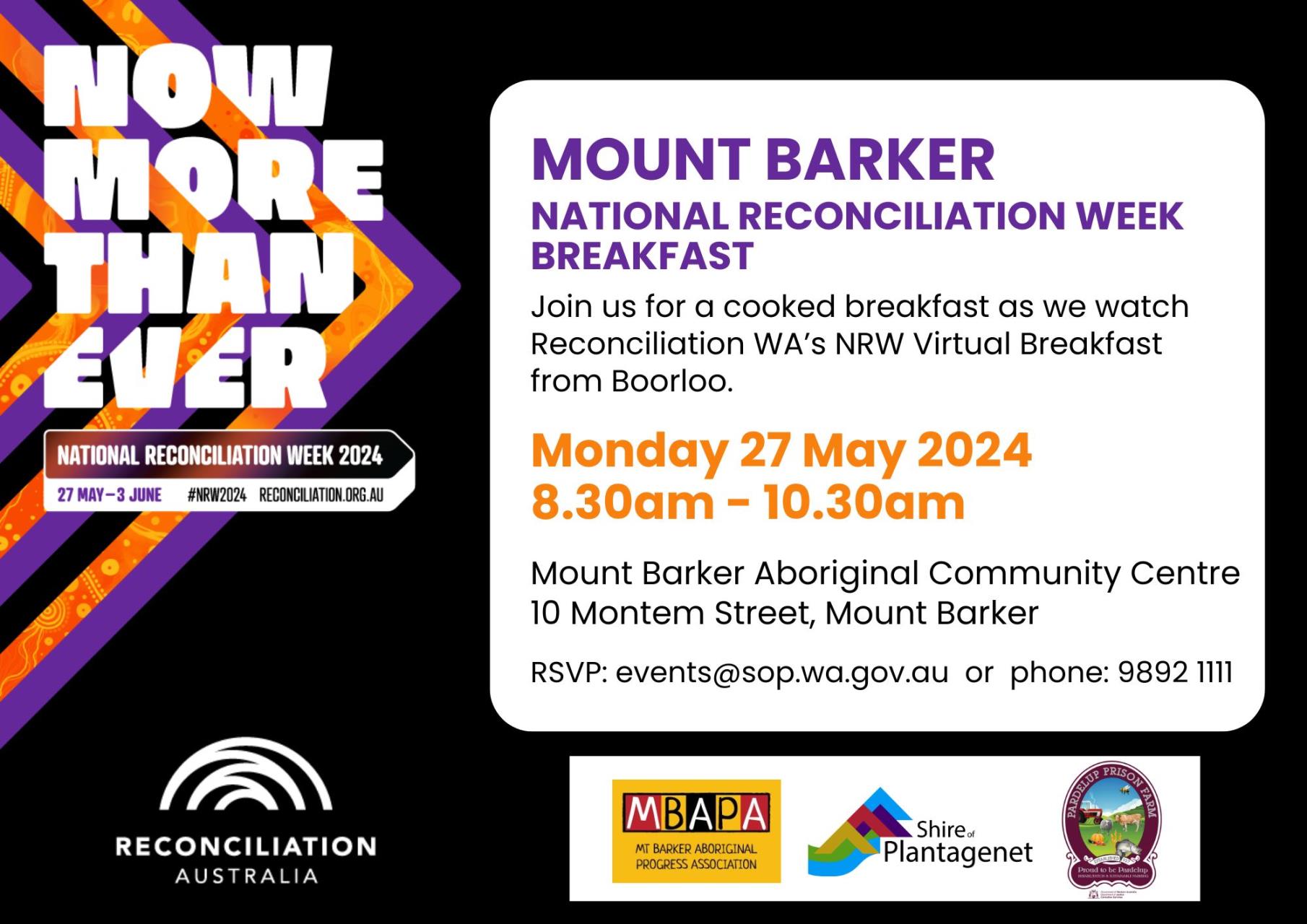
The dates of NRW are not arbitrary. They mark two of the most significant moments in modern Australian history.
27 May is the anniversary of the 1967 referendum, when Australians voted overwhelmingly to change the Constitution so that Aboriginal people would be counted in the census and the Commonwealth could make laws for them (see the Australian Electoral Commission record). 3 June is the anniversary of the 1992 High Court decision in Mabo v Queensland (No 2), which recognised native title and overturned the legal fiction of terra nullius. The week sits between those two landmarks, asking Australians to remember both the legal milestones and the work that remains.
How NRW began (1993 to 1996)
The observance grew out of a faith-based initiative. In 1993, the International Year of the World’s Indigenous Peoples, major faith communities supported a Week of Prayer for Reconciliation. Three years later, in 1996, the Council for Aboriginal Reconciliation launched the first official National Reconciliation Week, broadening the observance well beyond religious settings.
The Council for Aboriginal Reconciliation had been established by Parliament in 1991 with a funded mandate through 2001. When that mandate ended, Reconciliation Australia took on the work and has managed NRW ever since.
The bridge walks of 2000
One moment in NRW history stands out above all others. In 2000, approximately 250,000 people walked across the Sydney Harbour Bridge in support of reconciliation. Brisbane’s People’s Walk for Reconciliation drew around 70,000 participants the same year, and bridge walks took place in cities and towns across the country. The scale of those crowds gave a strong public signal that reconciliation had moved into the mainstream.
The 2026 theme and campaign
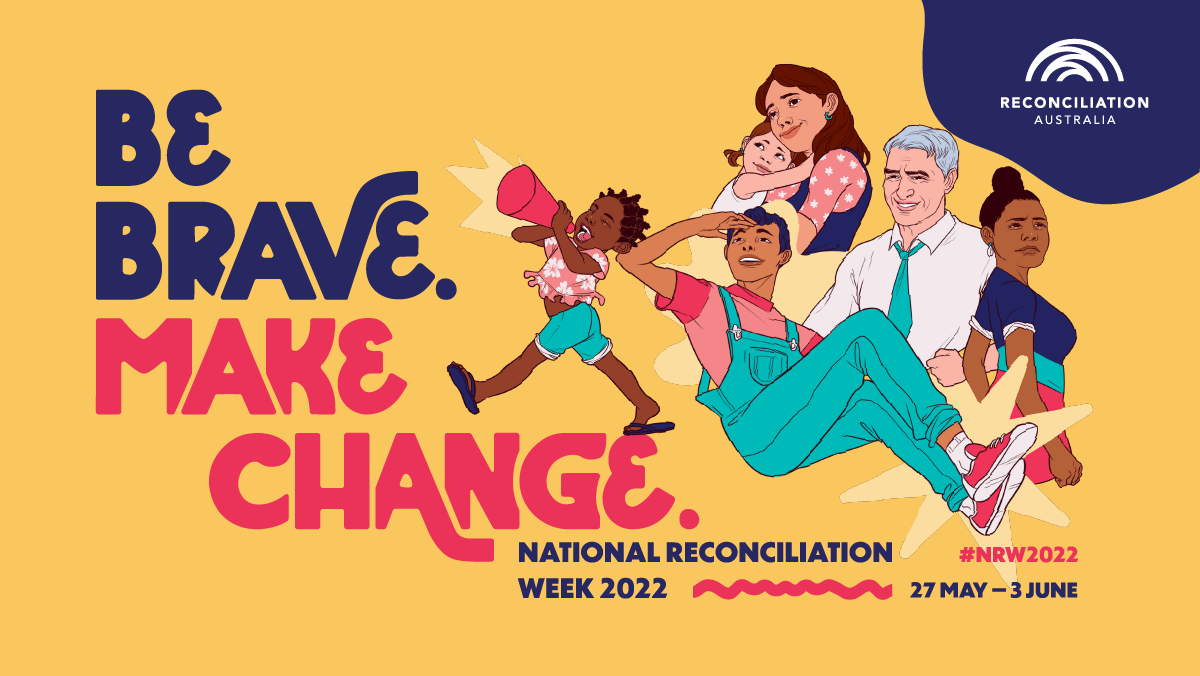
The 2026 theme is “All In”. It is framed as a call for all Australians to commit to reconciliation every day, with Reconciliation Australia stressing that reconciliation is not a spectator sport. The 2026 campaign features artwork titled “Gaagal” (Ocean) created by Gumbaynggirr/Bundjalung artist Otis Hope Carey in collaboration with Carbon Creative.
Themes change every year. The 2025 theme was “Bridging Now to Next”, and past themes have ranged across truth-telling, action, and unity, giving each NRW its own emphasis while keeping the underlying purpose consistent.
How Australians take part
NRW is celebrated in workplaces, schools, early learning services, and community organisations nationwide. Common ways to take part include:
- Registering or attending community events through the official NRW events calendar
- Joining the Voices for Reconciliation choir program, which in 2026 features a Midnight Oil composition
- Hosting yarning circles, smoking ceremonies, or cultural performances
- Running educational talks, panel discussions, or film screenings at workplaces and schools
- Downloading posters, digital assets, and educational materials from Reconciliation Australia
- Using multilingual resources available in 13 languages beyond English
National Sorry Day and Reconciliation Day
NRW does not stand alone on the calendar. National Sorry Day, first held in 1998 and observed on 26 May, comes the day before NRW begins. It is a day of remembrance for the Stolen Generations of Aboriginal and Torres Strait Islander children who were forcibly removed from their families.
In the Australian Capital Territory, Reconciliation Day became a public holiday in 2018, observed on the Monday closest to 27 May. The ACT remains the only jurisdiction with a formal public holiday for reconciliation, but the broader week is recognised in every state and territory.
A week that asks for action
National Reconciliation Week is more than a fixed date in May and June. It is an annual invitation to every Australian to take stock of where the country has come from, where it stands today, alongside other cultural milestones such as NAIDOC Week, and what each person can do in their own family, workplace, and community to move reconciliation forward. The dates change a little around them, the themes evolve, and the conversations grow, but the underlying ask stays the same: be in.
Frequently asked questions
What is the purpose of reconciliation?
Reconciliation is about building respectful relationships and stronger understanding between Aboriginal and Torres Strait Islander peoples and the wider Australian community. It is described as a national effort and a journey for all Australians, centred on relationships, understanding, and connection.
What is the difference between National Sorry Day and Reconciliation Week?
National Sorry Day, observed on 26 May each year, honours the Stolen Generations and is a day of remembrance. National Reconciliation Week runs from 27 May to 3 June and is a broader period of learning, dialogue, and action that begins the day after Sorry Day.
What does Reconciliation Day mean for Australia?
Reconciliation Day is a public holiday in the Australian Capital Territory, introduced in 2018, observed on the Monday closest to 27 May. It marks the start of NRW and is the only Australian holiday specifically dedicated to reconciliation.
How did the 2000 bridge walks change the conversation?
In 2000, around 250,000 people walked across the Sydney Harbour Bridge in support of reconciliation, with Brisbane’s walk drawing another 70,000 and similar events in cities nationwide. The scale of the crowds is widely seen as the moment reconciliation moved from policy circles into the mainstream.