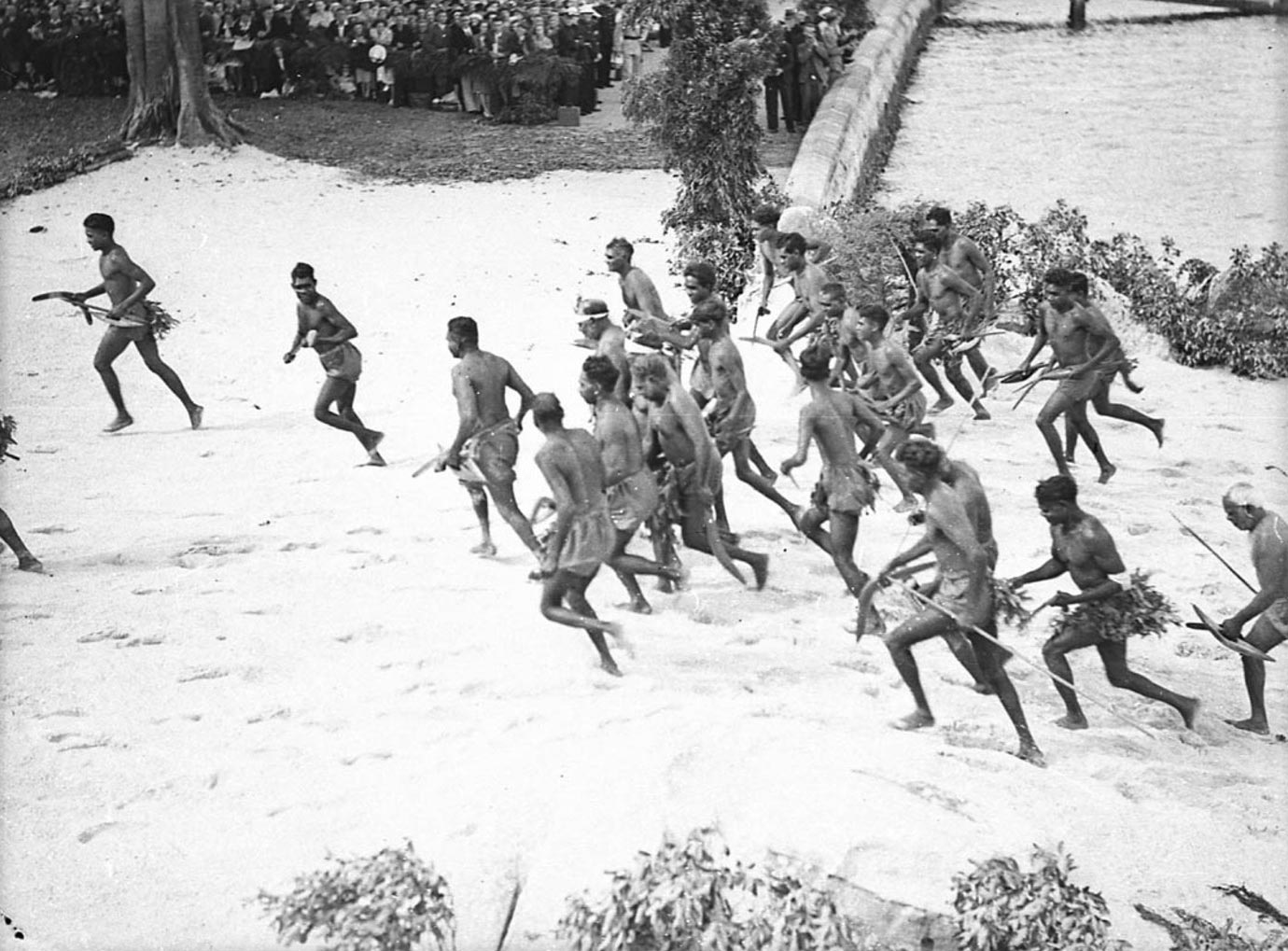
The history of NAIDOC Week in Australia is a story of more than 80 years of Aboriginal-led activism, quiet diplomacy, and persistent advocacy. What started as a single day of protest grew into a national week of cultural celebration, and the timeline behind it tells you a great deal about how Australia’s relationship with its First Peoples has changed.
What NAIDOC stands for
NAIDOC originally stood for the National Aborigines Day Observance Committee (NADOC); the second “I” was added in 1991 to formally recognise Torres Strait Islander peoples, and the name is preserved out of respect for the Elders who first used it.
Aboriginal activism in the 1920s and 1930s
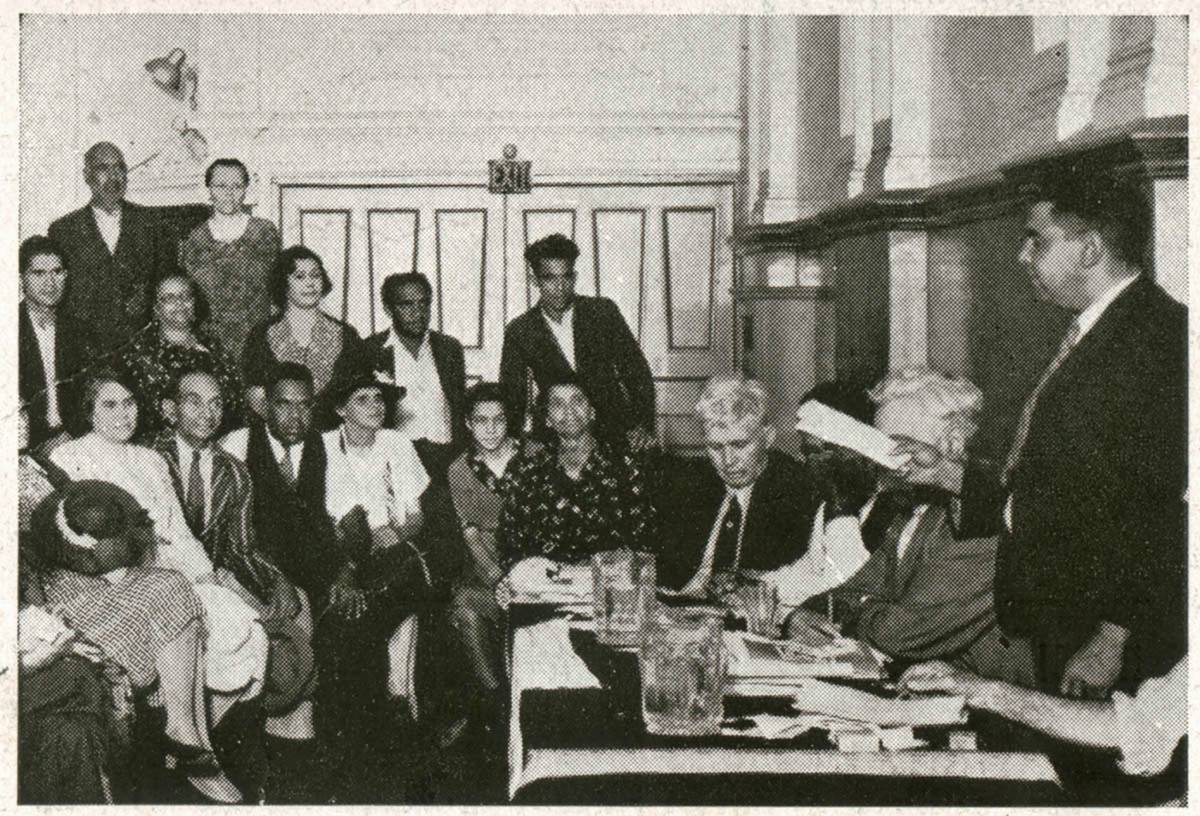
The roots of NAIDOC Week reach back to the 1920s, when Aboriginal rights groups began to push more publicly for change. Before that decade, Aboriginal communities had often boycotted Australia Day on 26 January, but their concerns were rarely heard outside their own circles.
The Australian Aborigines Progressive Association (AAPA) was established in 1924 and ran until 1927, when sustained police harassment forced it to cease operations. In 1932, William Cooper founded the Australian Aborigines League (AAL). Three years later, in 1935, Cooper drafted a petition to King George V asking for special Aboriginal electorates in Federal Parliament. The Australian Government rejected the petition on constitutional grounds, but the campaign showed that organised Aboriginal political action was here to stay.
The 1938 Day of Mourning
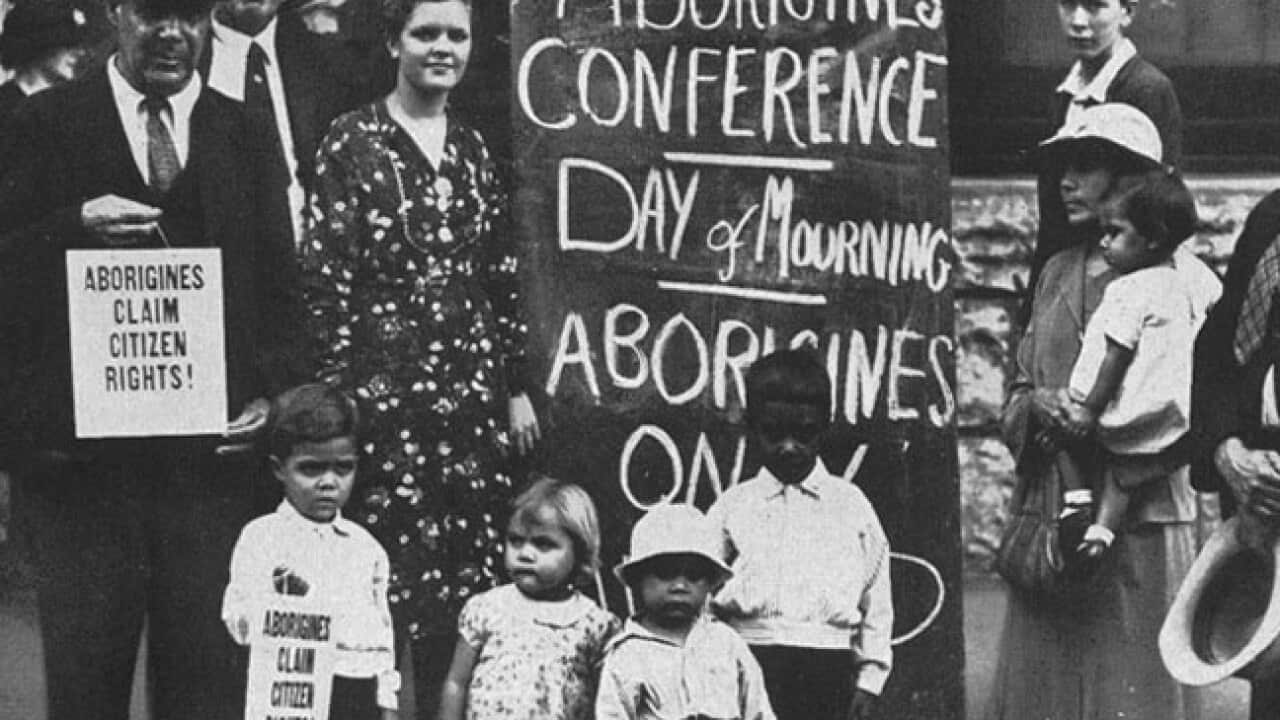
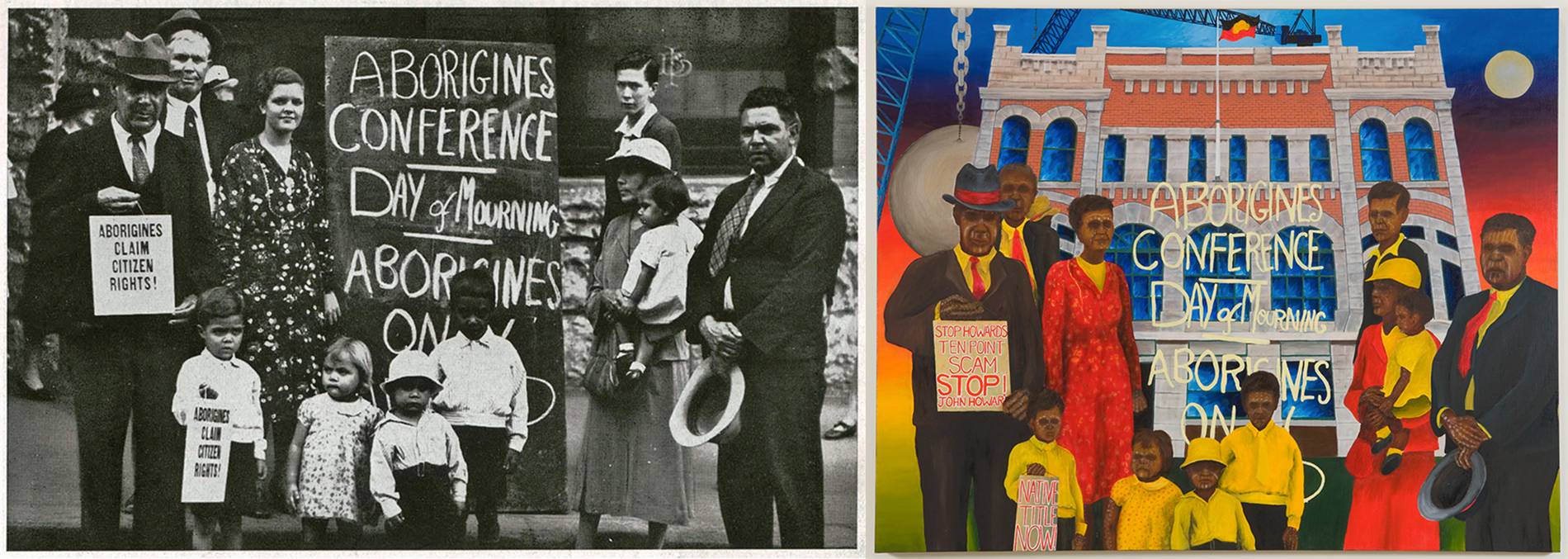
On 26 January 1938, the 150th anniversary of the First Fleet’s arrival, William Cooper, Douglas Nicholls, and Jack Patten organised a march through the streets of Sydney followed by a congress attended by more than one thousand people. They called it the Day of Mourning, and historians have since described it as one of the first major civil rights gatherings anywhere in the world.
A deputation led by Cooper met Prime Minister Joseph Lyons and presented a manifesto demanding citizenship rights and a national Aboriginal policy. The proposals were rejected, but the protest received substantial media coverage and put the question of Indigenous rights on the federal agenda in a way it had not been before.
In 1939, Cooper followed up by writing to the National Missionary Council of Australia, asking for support to establish an annual commemorative event. That letter is the seed from which NAIDOC Week eventually grew.
From mourning to celebration: 1940 to 1955
From 1940 to 1955, the Day of Mourning continued each year on the Sunday before Australia Day, under the name Aborigines Day. Anglican Archbishop William Wand endorsed the proposal in 1940, lending institutional weight, and by 1946 the day was being observed nationally.
In 1955, the observance moved to the first Sunday in July. The reason was deliberate: the leaders behind it wanted the day to grow beyond protest, to celebrate Aboriginal culture and heritage as well as mark historical injustice. Pulling the date away from Australia Day was a way of saying that Aboriginal life and identity deserved their own space on the calendar.
NADOC and the move to July
With the date settled, the National Aborigines Day Observance Committee (NADOC) was formally constituted. Major Aboriginal organisations and government bodies backed it, and the second Sunday in July became the official commemoration. The first NAIDOC poster appeared in 1972, beginning a tradition of protest-themed designs that continues today.
NADOC’s structure shifted in 1974, when it became composed entirely of Aboriginal members for the first time. The same era saw the establishment of the Department of Aboriginal Affairs in 1972, a direct consequence of the 1967 referendum that had recognised Aboriginal Australians in the Constitution.
Becoming a week-long observance in 1975
In 1975, NADOC took the next big step. The observance expanded from a single day to a full week, running from the first to the second Sunday in July. The change recognised that a single day could not hold all the conversations, ceremonies, and celebrations communities wanted to share.
In 1984, NADOC went further and requested that National Aborigines Day be made a national public holiday to celebrate Aboriginal cultural history. The request was not implemented, but it signalled that NADOC saw the observance as a national civic event, not a niche commemoration.
Renaming to NAIDOC in 1991
In 1991 the committee expanded its remit to include Torres Strait Islander peoples and culture, and changed its name accordingly to the National Aborigines and Islanders Day Observance Committee. From that point on, the acronym NAIDOC referred both to the committee and to the week itself.
The renaming reflected a long-held truth: Torres Strait Islander peoples have their own distinct cultures, languages, and histories, and lumping them under an Aboriginal-only banner did not do that diversity justice. The two-word title makes the inclusion explicit every time it is spoken.
A timeline still being written
The history of NAIDOC Week in Australia is not a closed chapter. Every year a new theme, a new poster, a fresh run of NAIDOC Week apparel, and a new set of community events extend the story that William Cooper and his contemporaries began in 1938. Looking back at the timeline makes one thing clear: NAIDOC has always been driven by Aboriginal and Torres Strait Islander leadership, and the week we celebrate each July is the visible part of a much longer, ongoing campaign for recognition, justice, and cultural pride.
Frequently asked questions
What is a brief history of NAIDOC Week?
NAIDOC Week traces back to the 1938 Day of Mourning, an Aboriginal civil rights protest in Sydney. From 1940 to 1955 it was held as Aborigines Day on the Sunday before Australia Day. It moved to July in 1955, was run by NADOC from the late 1950s, expanded to a full week in 1975, and was renamed NAIDOC in 1991 to include Torres Strait Islander peoples.
What happened in 1938 during NAIDOC’s earliest moment?
On 26 January 1938, William Cooper, Douglas Nicholls, and Jack Patten led a march through Sydney followed by a congress of more than 1,000 people. The Day of Mourning protested 150 years of British rule, demanded citizenship rights, and led to a meeting with Prime Minister Joseph Lyons.
Who founded the Australian Aborigines League?
William Cooper founded the Australian Aborigines League (AAL) in 1932. Three years later he drafted a petition to King George V asking for special Aboriginal electorates in Federal Parliament, an early sign of the organised political action that would lead to the Day of Mourning.
When did NAIDOC Week become a week-long event?
NAIDOC expanded from a single day to a full week in 1975, running from the first to the second Sunday in July.