The terms “traditional” and “contemporary” get used constantly in discussions of Aboriginal art, often in ways that imply a clean break between two distinct worlds. But the relationship between what came before and what exists now is considerably more layered than that. Understanding the difference requires looking at where each emerged, what changed, and crucially, what did not.
Two Sides of One Continuous Culture
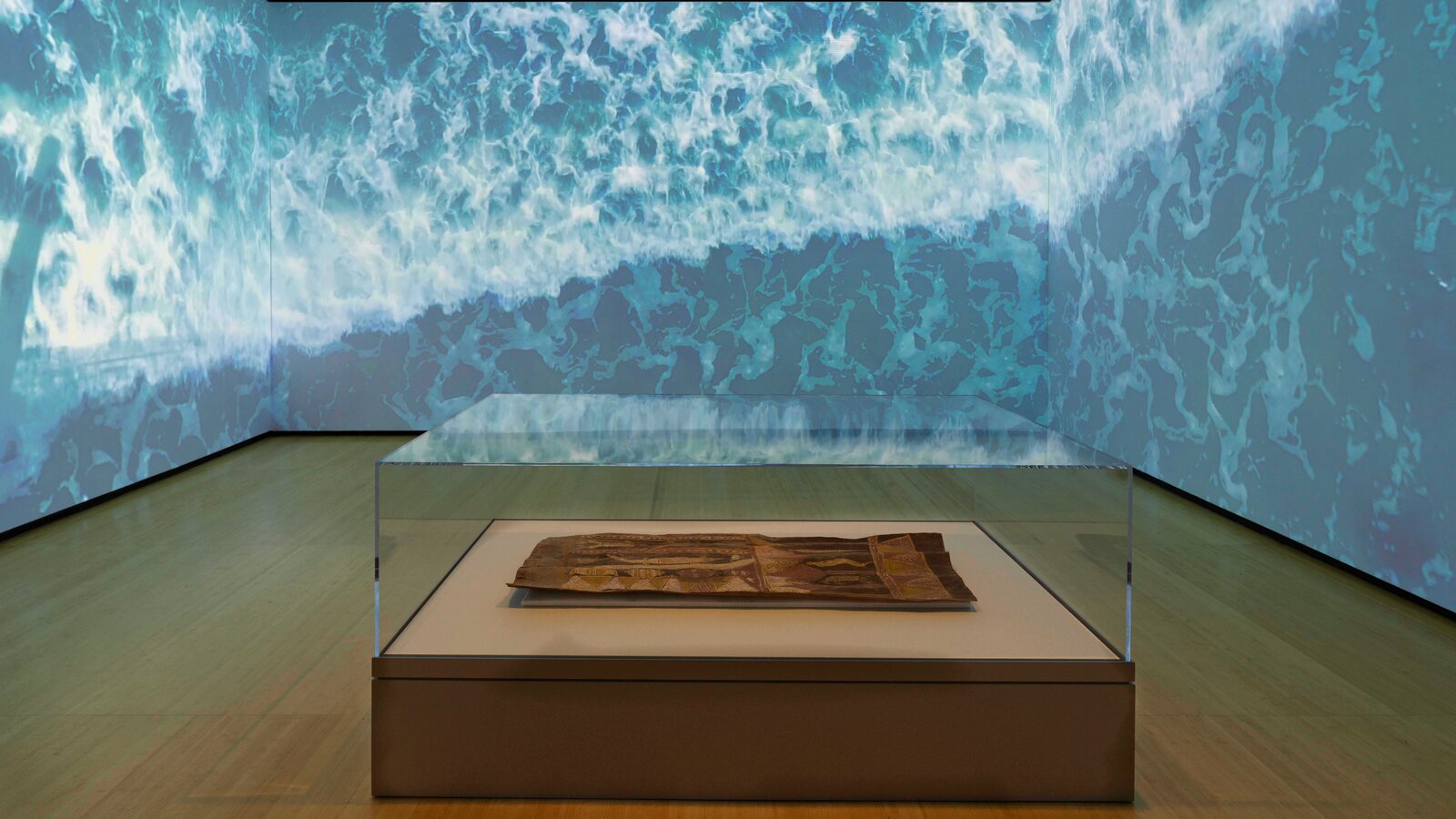
Traditional Aboriginal art is not a single style or technique. It is a vast body of practices developed over tens of thousands of years, long before European contact, and deeply tied to Country. The pigments were ochres, charcoal, and clay; the surfaces were rock, bark, sand, ceremonial ground, and the human body; the purposes were ceremony, instruction, navigation, and Dreaming. The specific techniques across this body of work are covered in the guides to ochre painting, bark painting, and rock art, which together cover most of the visual languages traditional artists worked in.
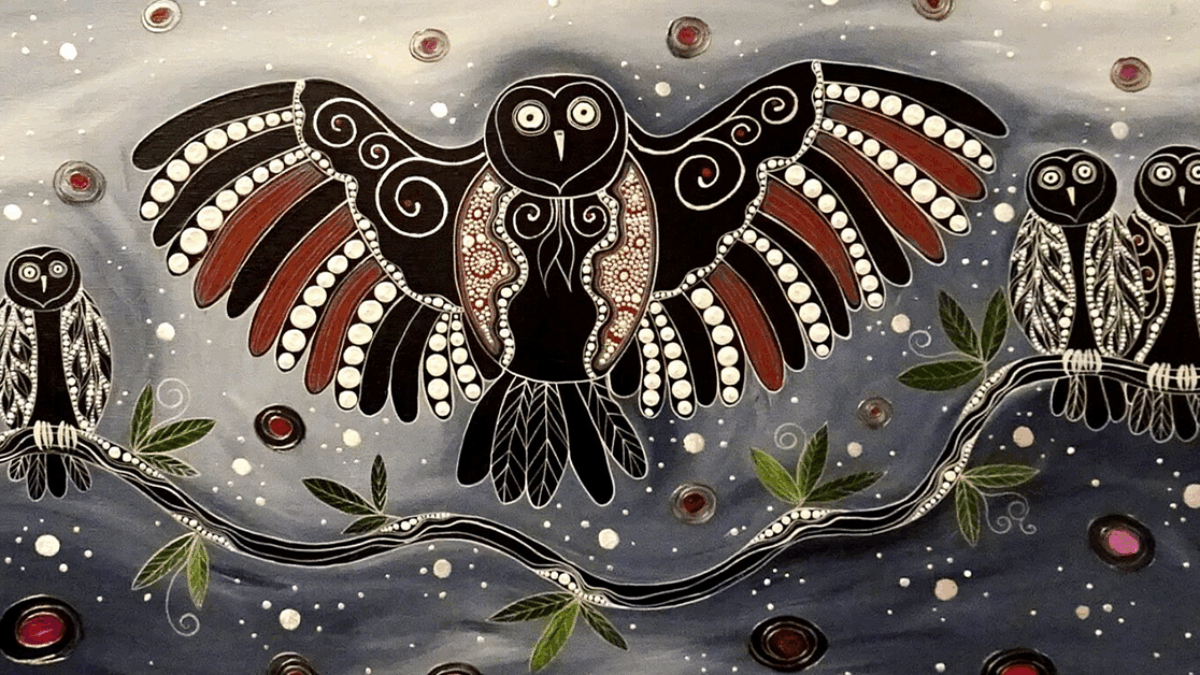
Contemporary Aboriginal art is the work made since the canvas movement took hold in the early 1970s. It now includes acrylic on canvas, fibre sculpture, urban Indigenous practice, photography, film, printmaking, and the colour field paintings of Emily Kame Kngwarreye and her contemporaries. The materials and audiences expanded; the cultural framework that authorised an artist to paint a particular story did not.
The Papunya Pivot
The moment historians most often identify as the start of the contemporary movement was 1971 at Papunya, when senior men began translating ceremonial sand and body designs onto small boards, and the Papunya Tula Artists cooperative was established the following year. The full account sits in the dot painting guide. What is worth saying here is that the shift to acrylics was practical: more permanent than sand, more portable than rock, and able to travel to buyers far beyond the community. The men involved did not see themselves as abandoning traditional practice. They were using a new tool to keep telling old stories.
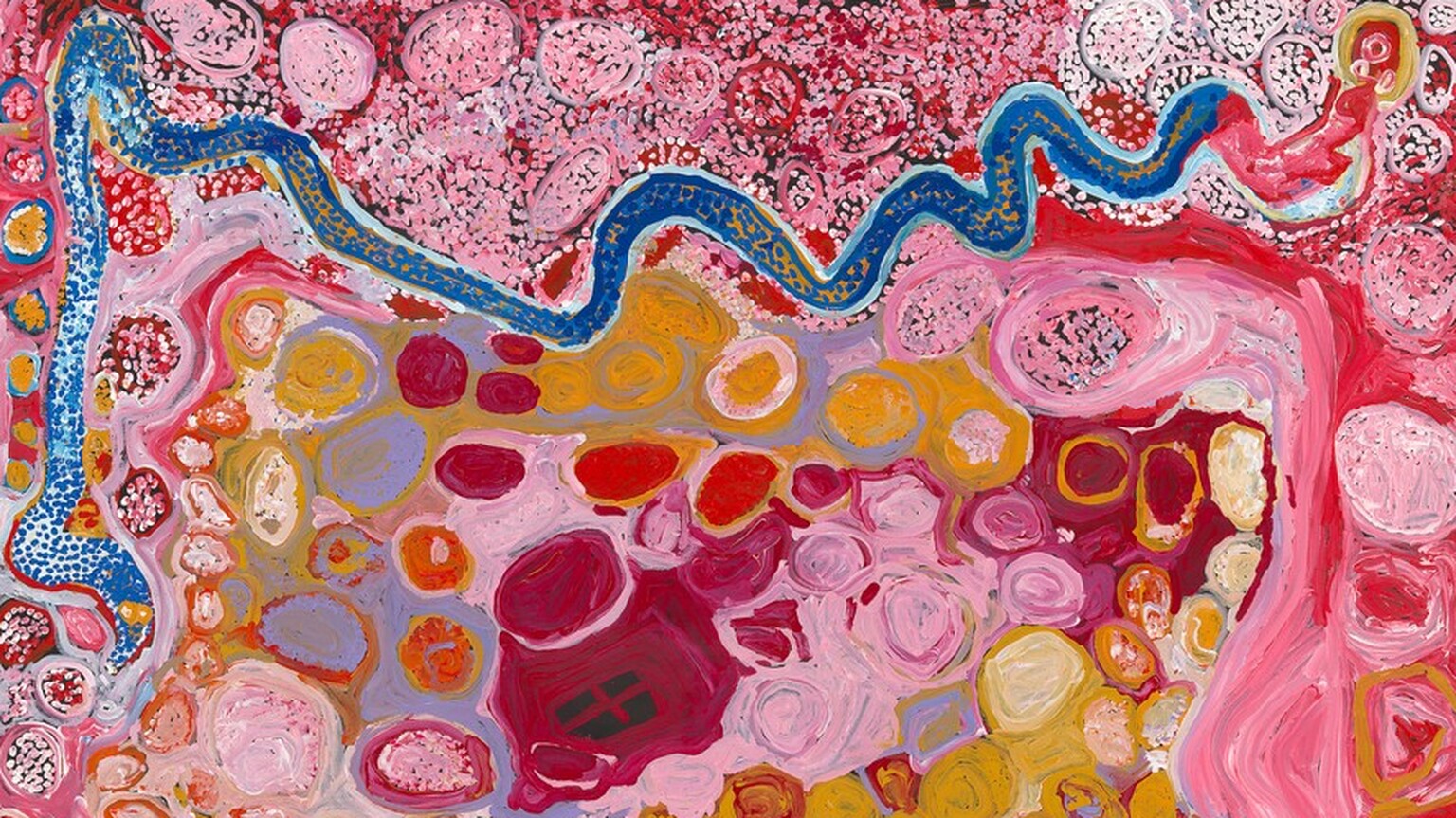
Today the field includes Tracey Moffatt’s photography and film, Sally Gabori’s late-career canvases of her ancestral lands in the Gulf of Carpentaria, and explicitly political work that addresses land rights, the Stolen Generations, colonisation, and environmental destruction. The visual range is wide. The cultural register sits closer to traditional practice than the surface variety suggests.
Traditional vs Contemporary Aboriginal Art: Key Differences
The contrast between the two lies primarily in materials, context, and the role of the individual artist. The underlying cultural content and relationship to Country connect far more than they divide.
| Traditional Aboriginal Art | Contemporary Aboriginal Art | |
|---|---|---|
| Pigments | Ochres, charcoal, clays from the land | Acrylic paints across a full colour range; sometimes ochres |
| Surfaces | Rock, bark, sand, earth, body, ceremonial objects | Canvas, board, linen, paper, metal; sometimes bark |
| Tools | Fingers, sticks, human hair brushes, reeds, feathers | Paintbrushes, palette knives, printmaking presses, digital tools |
| Colour range | Earthy, restricted to available minerals | Potentially unlimited; vibrant palettes common |
| Primary purpose | Ceremonial, educational, navigational, spiritual | Cultural continuity, artistic expression, economic, political |
| Audience | Community members, often restricted by initiation | National and international; art market, galleries, museums |
| Artist recognition | Often anonymous; collective cultural knowledge foregrounded | Individual artist named and credited; personal style celebrated |
| Cultural authority | Rights to paint governed by lineage and community law | Cultural protocols still apply; story rights still follow lineage |
What the table shows is that the biggest changes occurred in materials, context, and audience. The underlying cultural framework changed far less. An Arnhem Land artist painting rarrk cross-hatching with acrylics today uses the same clan designs and patterns their authority entitles them to paint, as their grandparents did on bark. A Central Desert painter filling a large canvas with Dreaming tracks and symbols is doing what ancestral ground painters did, with different tools and for a partially different audience.
The clearest difference is the relationship between artist and public. Traditional ceremonial art was often restricted in who could see it, with layers of meaning accessible only to the initiated. Contemporary art is designed to be seen by people who carry no prior knowledge of the specific story. This openness is part of what makes contemporary Aboriginal art powerful as cultural communication, and also what creates the ongoing problem of appropriation when non-Indigenous individuals or companies copy styles or symbols they do not have the right to use.
The Thread That Runs Through Both
Understanding what happened at Papunya makes the relationship between tradition and contemporaneity clearer. When senior men began painting their Dreaming stories on small boards, they were not abandoning traditional practice. They were adapting a new tool to serve an old purpose: keeping cultural knowledge alive and teaching it across generations. The acrylic paint was no different in principle from a plant resin binder. The canvas was no different in principle from prepared bark or cleared earth. What mattered was the story and the authority to tell it.
That logic persists across Aboriginal art today. The cultural framework of rights, responsibilities, and Dreaming connection does not disappear because the paint comes from a tube. Artists across Australia, whether they work on bark with ochres, on large canvases with acrylics, in printmaking studios, or through photography and digital media, still carry the same relationship to their Country and their stories that has structured Aboriginal art for tens of thousands of years.
What Connects More Than Divides
Traditional and contemporary Aboriginal art are better understood as two expressions of the same continuous culture than as opposing categories. The materials shifted, the audiences changed, and the commercial context arrived, but the art still does what it has always done: it carries knowledge, marks identity, maps Country, and transmits the Dreaming from one generation to the next. The regional breakdown of how these traditions sit across the continent is covered in the guide to how Aboriginal art styles differ by region, and the broader technique overview in Aboriginal art techniques explained.