Colour field painting in the Western art world means canvases like the ones Mark Rothko made famous: austere, large-scale works built from broad bands or tracts of colour with almost nothing else happening on the surface. The Tate Modern in London thought enough of them to build a dedicated room. In Aboriginal art, the term points to something visually similar but culturally entirely different. The first Indigenous Australian artist to work in this style was Kudditji Kngwarreye, who began doing so in 1993, and he drew no inspiration from Rothko or from the American abstract tradition that produced him.
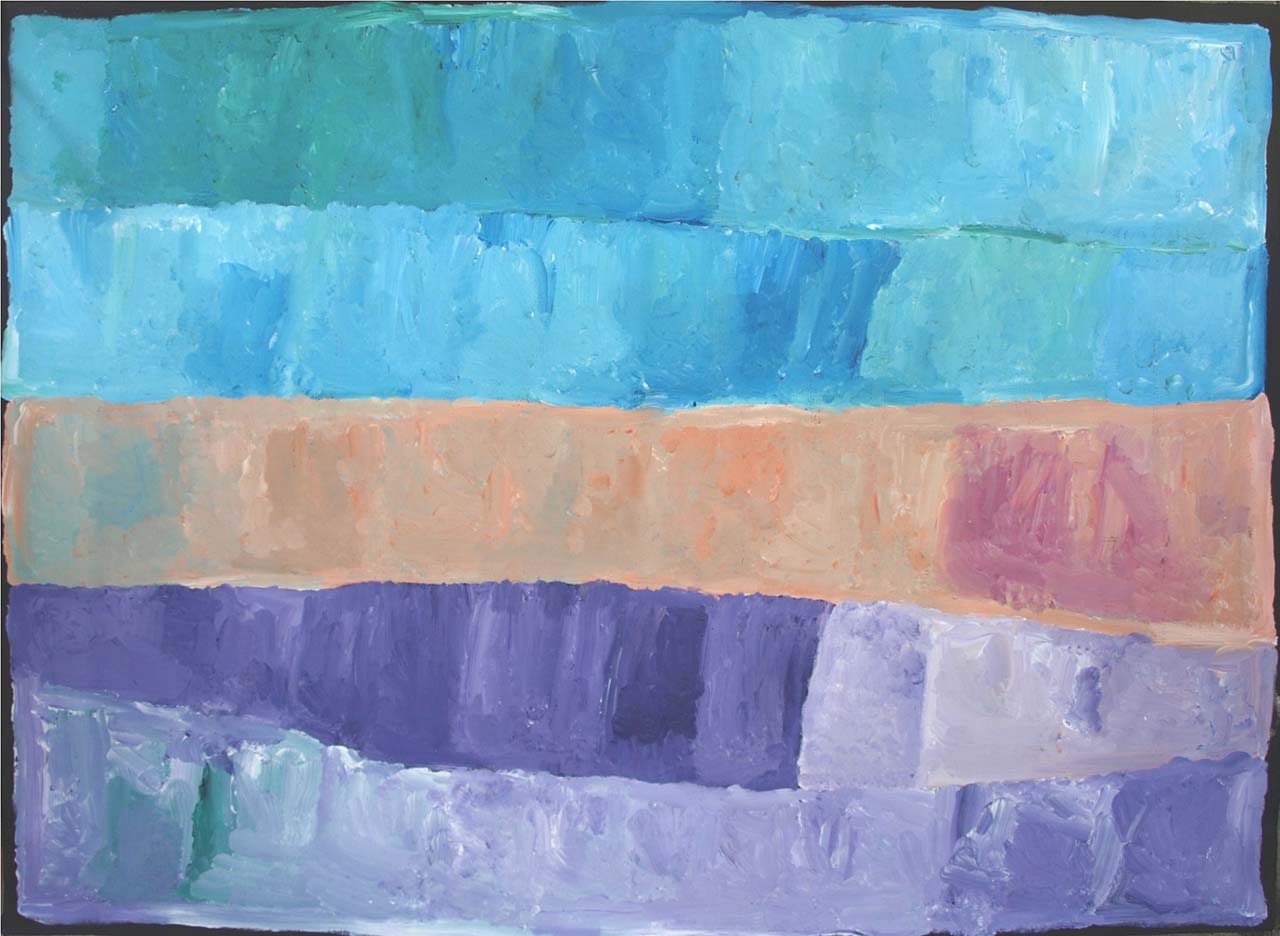
What These Paintings Actually Look Like
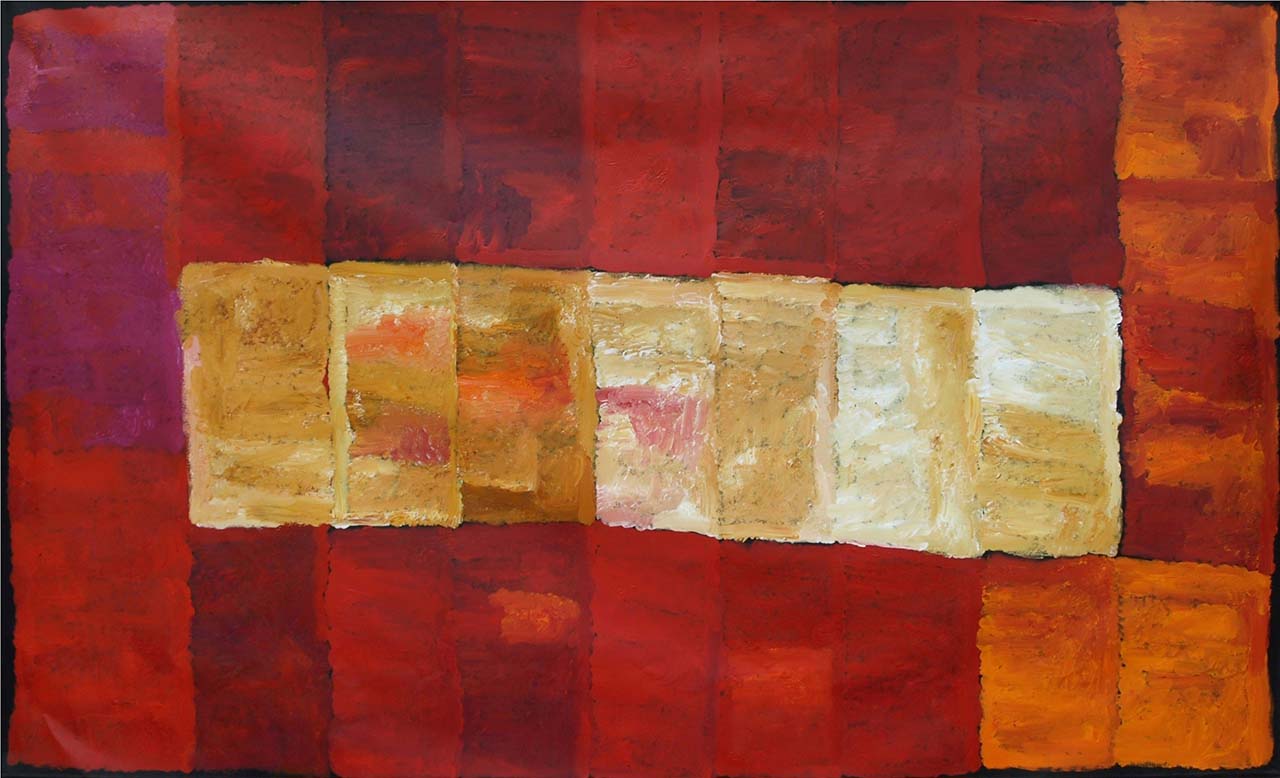
Kudditji’s paintings are built from large, layered expanses of colour applied through techniques like layering and dabbing that give the surface a physical depth and texture you do not get from flat washes. Natural pigments, particularly ochres, run through the work directly connecting each piece to the land the painter belonged to. The same earthy reds, yellows and browns that Aboriginal artists have drawn from the Australian earth for tens of thousands of years appear here in sweeping contemporary gestures rather than in fine dotwork or cross-hatching. There are no figurative elements, no dots, no narrative symbols readable to an outside eye. Just colour, scale, and a surface that carries more than it appears to.
That is where the Rothko comparison comes from and where it stops being useful. Rothko was pursuing a purely optical experience, colour as content in itself. Kudditji’s paintings are titled My Country, Emu Dreaming, Boundary Bore. They are aerial views of the creation of his homelands in Utopia by the Emu Ancestors during the Dreamtime. The abstract surface and the cultural content are not separate things. The colour carries the place. The texture carries the ancestral event being recorded.
Why the Market Took Nearly a Decade to Catch Up
By 1993, dot painting had grown so dominant in the Aboriginal art market that artists working in other traditions often found it hard to be seen beneath it at all. Non-dot artists described feeling swamped, unable to make their mark from under the shadow of a style that had come to define what Aboriginal art meant to collectors and galleries worldwide. When Kudditji stepped away from dot painting, he was stepping away from the single visual language the market had decided to value.
Collectors and gallery figures encouraged him to return to it. He did not. For years the response from the Aboriginal art world remained largely unenthusiastic. By 2002 that had changed, when people with a background in international abstract painting began responding to his work in a different way entirely. The same qualities that had made it unwelcome to one audience made it compelling to another. His paintings began selling across the globe, and have continued to do so. Nothing about the paintings changed. The audience found them.
Emily Kame Kngwarreye and Where This Style Belongs
Kudditji’s sister Emily Kame Kngwarreye is among the most celebrated Aboriginal artists of the twentieth century, and her later work moved toward something that bordered on colour fields. She came close to what her brother was doing, and in certain periods the family resemblance in approach is striking. But those who know both bodies of work are clear that she did not arrive at the same marriage of brushwork and colour that defines Kudditji’s paintings. What he found was his own.
Contemporary Aboriginal art is not frozen in one look. It includes abstraction, experimentation and bold personal vision while remaining anchored in place, memory and cultural knowledge. Colour field painting belongs to that broader tradition alongside ochre painting, rarrk cross-hatching and rock art as a form that takes existing knowledge and builds on it in a new visual direction. The abstract representations convey a profound sense of spirituality and connection to land, heritage and community. That is not incidental to the paintings. It is what they are.