Australian Aboriginal art is one of the oldest living artistic traditions on earth. The techniques used to make these works are not simply stylistic choices. Each method carries knowledge, story, and cultural authority that has been passed down through family lines and across generations. Understanding the techniques means understanding something of the culture behind them.
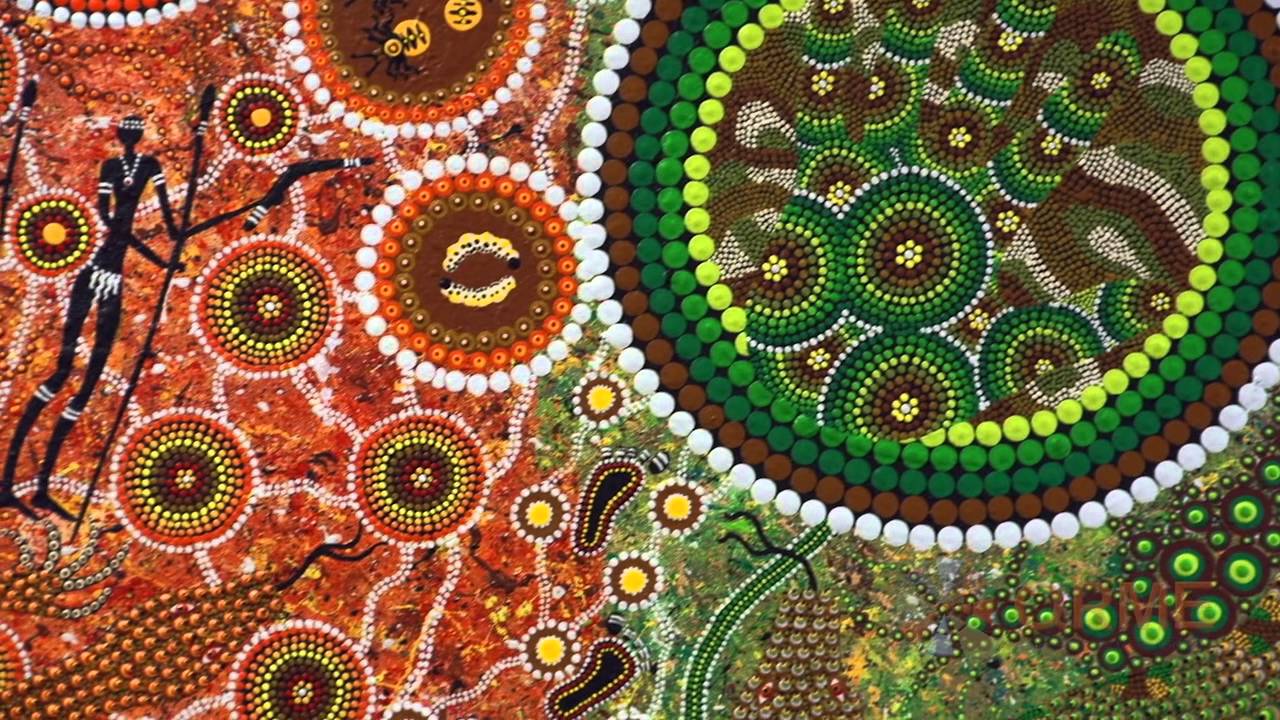
Aboriginal art is regional in its form and content. What an artist from Arnhem Land paints looks and feels very different from work produced in the Central Desert, and both differ from the styles found in the Kimberley or the Tiwi Islands. This regional character is not just aesthetic. It reflects the distinct cultural traditions, stories, and environments of each group. The techniques below are the main visual languages you will encounter, each one tied to a particular place and people.
The Six Main Techniques at a Glance
Most Aboriginal painting traditions sit within six recognisable techniques, each shaped by the surface available locally, the pigments drawn from the surrounding land, and the ceremonial role the work originally played. The table below maps the technique to its home region, the typical surface, and what the technique is generally used to depict.
| Technique | Home region | Typical surface | What it depicts |
|---|---|---|---|
| Dot painting | Central and Western Desert | Canvas, board | Dreaming sites, country, ancestral tracks |
| Rarrk cross hatching | Western Arnhem Land | Bark, rock, paper | Clan designs, ancestral beings, ceremonial subjects |
| X-ray art | Western and Central Arnhem Land | Bark, rock | Animals shown with internal anatomy |
| Ochre painting | Across the continent | Bark, rock, canvas, body | Foundational pigment layer for almost every other style |
| Bark painting | Arnhem Land, Tiwi Islands | Stringybark sheets | Figurative storytelling, often with rarrk infill |
| Bush medicine leaves | Utopia (Anmatyerr country) | Canvas, fabric | The fall and colour change of native healing leaves |
Painting Techniques
Dot painting is the technique most people associate with Aboriginal art today. Fine dots, applied with sticks or brush ends, build up a surface that maps Dreaming country and ancestral story. The palette can be tightly ochre or sharply contemporary depending on the artist and the country being depicted. The full history of how the technique moved from sacred body painting to canvas is covered in the dedicated dot painting guide.
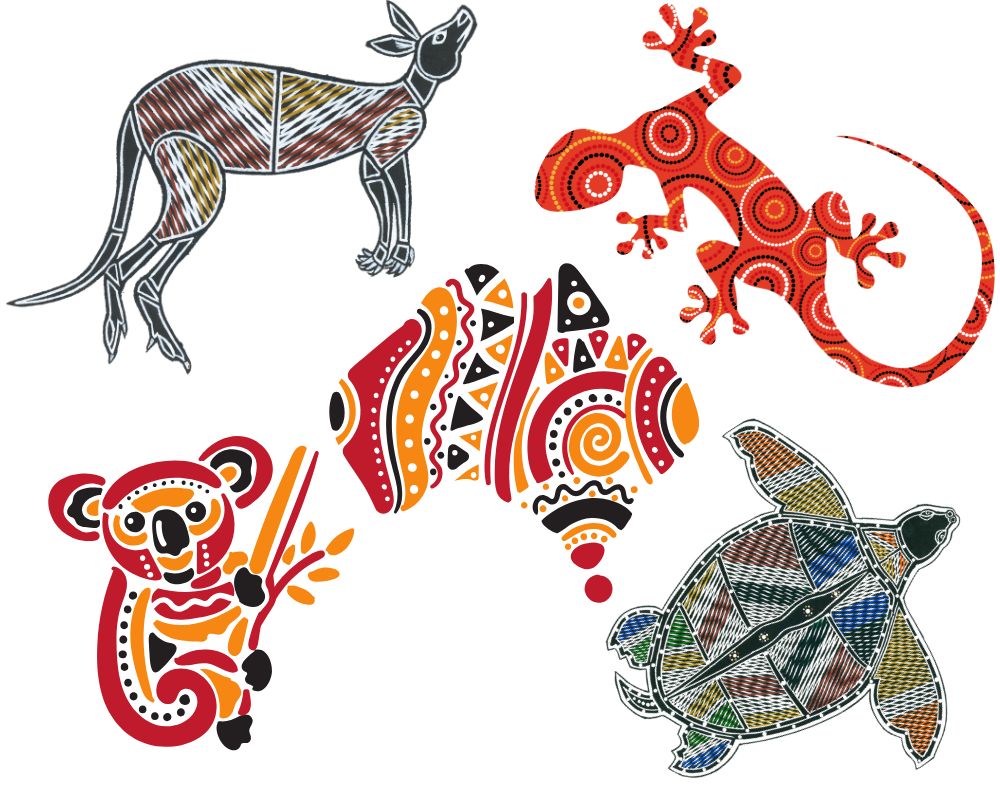
Rarrk cross hatching is the fine, layered line work that defines much of western Arnhem Land painting. Layers of crossed lines produce a visual shimmer that carries ceremonial weight, and the specific pattern an artist uses often functions as a clan signature. The full account of how rarrk differs from dot painting sits in its own comparison piece.
X-ray art is a representational style, also from Arnhem Land, in which animals and ancestral beings are shown with their external form and internal structure at the same time. It often combines with rarrk on the same surface, the line work filling the body cavities of the depicted creature.
Ochre painting is the foundation under most of the others. The natural earth pigments traded across the continent for tens of thousands of years are what bark, rock, and many desert works are painted with. Where the other techniques describe how lines and dots are arranged, ochre describes what they are made from.
Bush medicine leaves is a technique specific to the Utopia region, north-east of Alice Springs. The leaves come from a native shrub that grows across the desert and changes colour as it ages and falls. Artists paint the leaves at different stages of that fall, capturing the colour shift with varied brushstrokes. The style was brought to wide attention by Gloria Petyarre, whose work in this technique won the Telstra National Aboriginal and Torres Strait Islander Art Award in 1999. Unlike the iconographic dot painting that surrounds it geographically, bush medicine work draws its visual language from the plant itself rather than from a symbolic system.
Mediums and Surfaces
Two of the techniques above are tied so closely to a surface that the surface name has become the technique name. Bark painting uses stringybark cured over fire as the working surface, a tradition centred on Arnhem Land and the Tiwi Islands. Rock art is the oldest surviving medium of all, painted and engraved across the continent from the Kimberley to the Sydney Basin. Both predate the canvas movement by thousands of years and continue to inform contemporary work.
Who Has the Right to Paint
One aspect of Aboriginal art that outsiders often miss is the question of entitlement. Artists are not free to paint any story or any subject. Under traditional law, each person is permitted to paint only the stories, symbols, and country to which they have a connection through their family lineage. Groups become custodians for particular cultural events and stories, and this custodianship is taken seriously. Painting beyond one’s authority is a breach of cultural protocol.
This is also why the content of an Aboriginal painting functions as a kind of signature in itself. Few traditional artists sign their canvases on the front. The story being depicted, the symbols used, and the way they are arranged all identify the artist and their affiliations to those who know how to read them.
How These Techniques Are Taught and Passed On
Art skills in Aboriginal communities are not taught through formal instruction in the Western sense. They are passed on by watching, then by assisting, then by gradually developing a personal role within a shared creative practice. Aboriginal art is often produced communally, with artists working alongside one another on their individual pieces. Some works are produced collaboratively, where a group shares in painting a single canvas that maps a story or country to which all participants have a connection. This communal dimension reinforces social cohesion and keeps cultural knowledge alive through practice rather than written record.
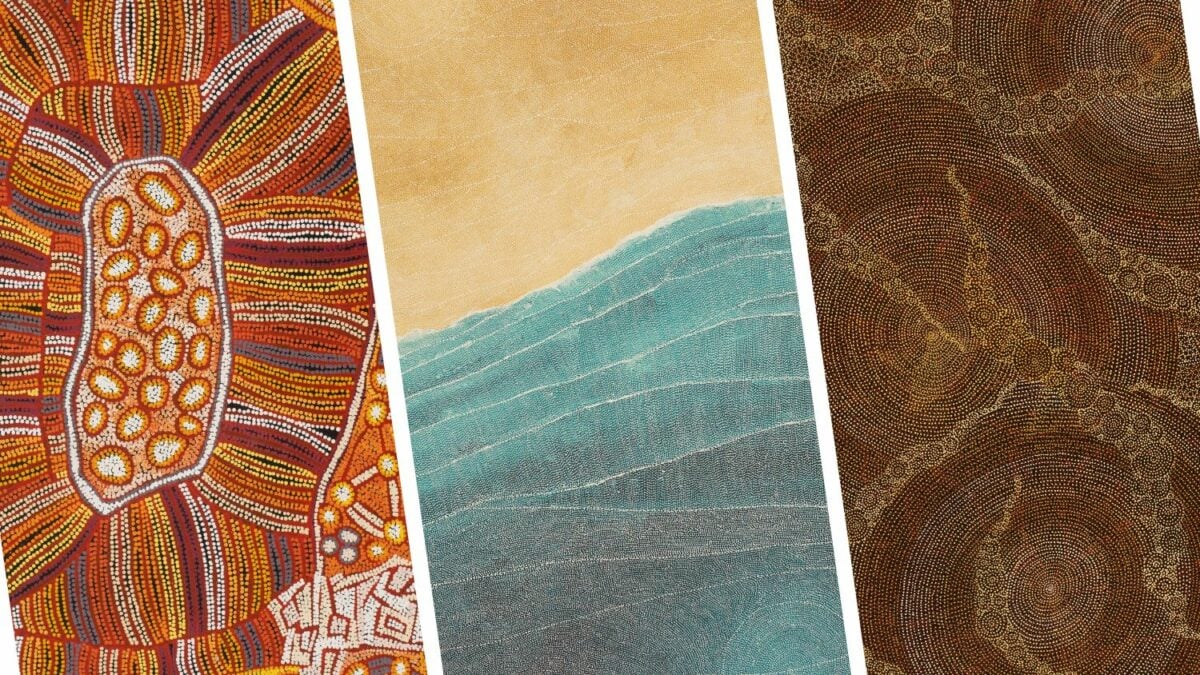
Many of the stories woven into these paintings relate directly to survival knowledge: the management of land and water, the identification of bush tucker, the reading of seasonal changes. This is practical knowledge encoded in visual language, preserved across generations not as abstract history but as living information.
A Tradition That Continues to Develop
Aboriginal painting did not stop with the techniques described above. Urban Aboriginal art, colour field painting, and the broader question of tradition versus contemporary practice show how the techniques have travelled into new materials, scales, and audiences. Artists working today were born in communities and towns rather than in the bush, and their work reflects both traditional values and their experience of contemporary life. The way these regional traditions sit next to each other across the continent is mapped out in detail in the guide to how Aboriginal art styles differ by region.
Where to Start Looking
If you are starting from scratch, the most useful question to bring to any Aboriginal artwork is not what does it look like but where does it come from and who has the authority to paint it. Once those answers are in place, the technique itself stops being decorative and starts being readable. Each method on this page is one way of writing a story onto a surface, and each one belongs to a particular Country and a particular line of cultural knowledge.