Walk into any souvenir shop in Australia and you will find dot paintings on canvas, magnets, tea towels, and phone cases. Walk into a major contemporary art gallery and you are increasingly likely to find Indigenous artists working in photography, sculpture, printmaking, and mixed media. Both are Aboriginal art. But they come from very different places and serve very different purposes, and treating them as the same thing has created real problems for Indigenous artists and communities.
Two Traditions, Two Starting Points
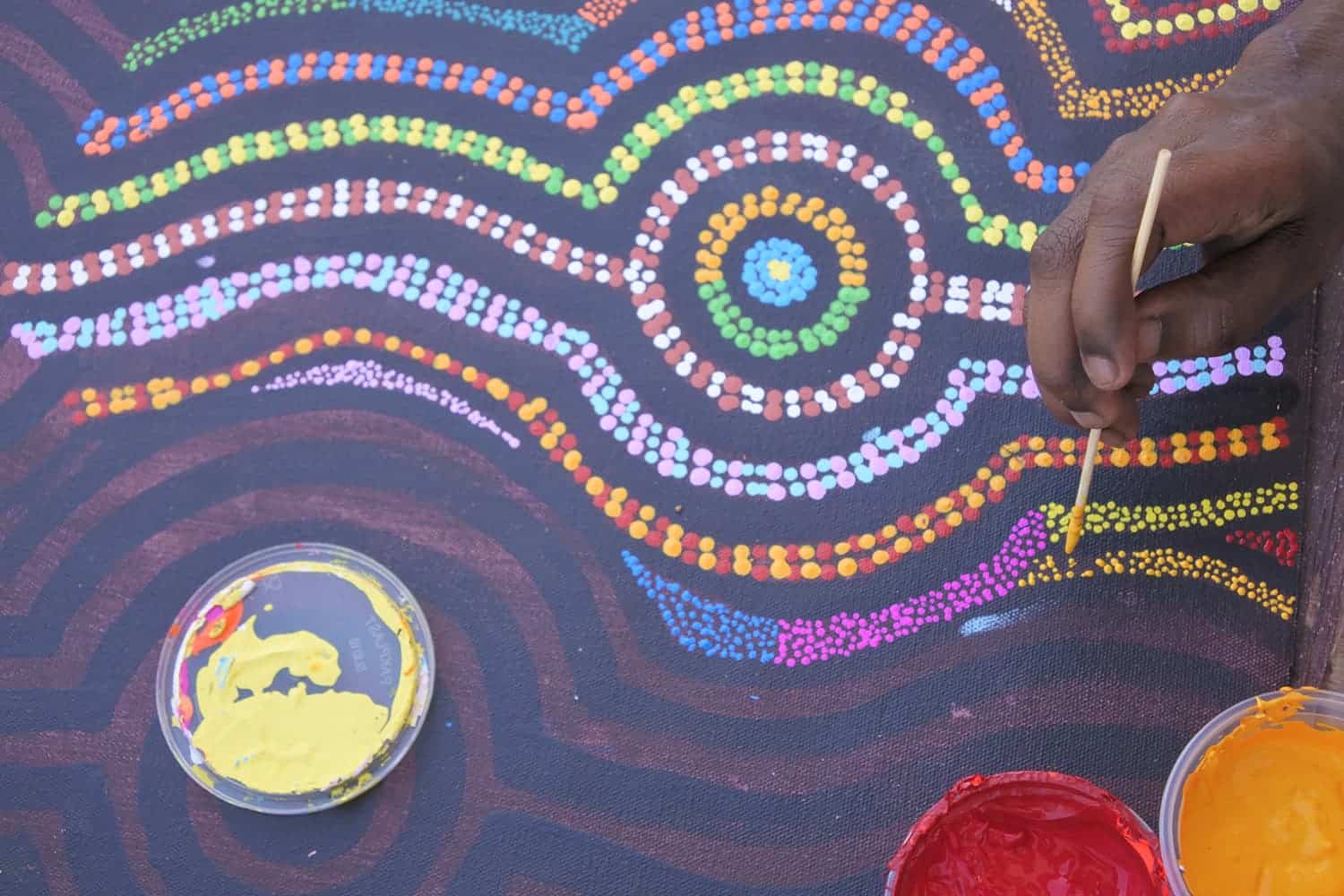
Dot painting on canvas is a Central Desert tradition that took its modern form in the early 1970s. It sits within a specific framework of inherited entitlement, where each artist paints the country and stories they have the right to paint under traditional law. Urban Aboriginal art is the work made by Indigenous Australians living in cities, drawing on photography, sculpture, printmaking, painting, and mixed media. The two share an Aboriginal source but operate under very different cultural and commercial conditions, and that is where the comparison becomes useful.
How the Market Has Shaped the Two Traditions
For much of the twentieth century, urban Indigenous work struggled to be recognised as Aboriginal art at all. The art market had built its understanding of Indigenous Australian art almost entirely around the desert dot painting tradition. As curator and Dharug artist Janelle Evans noted in 2017, the dominance of dot painting had become so total that it effectively locked out Indigenous artists working in other mediums. An artist doing photography or sculpture was less legible to international collectors and galleries than one producing canvas dot paintings that matched market expectations.
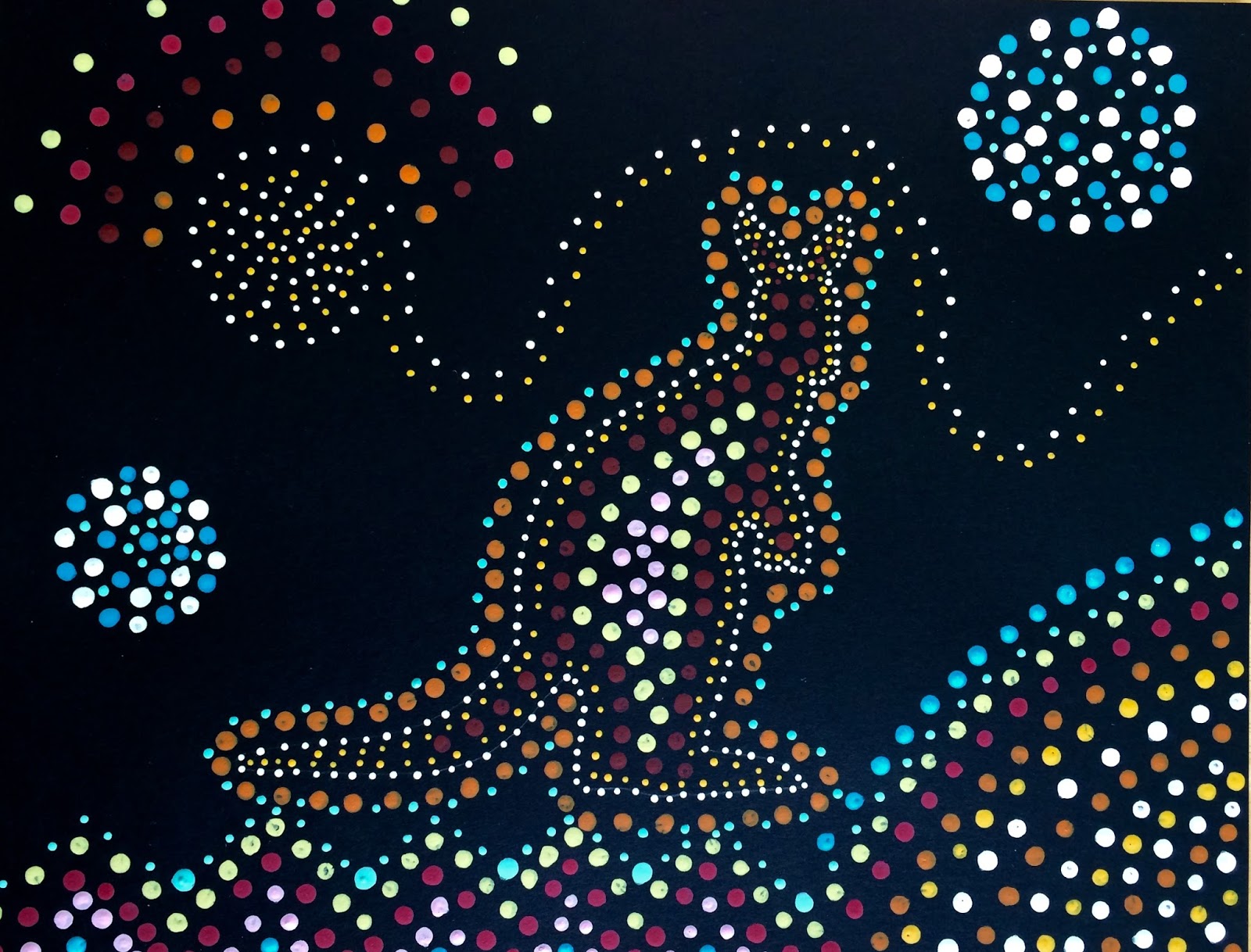
That has been changing. Exhibitions like the National Gallery of Victoria’s Who’s Afraid of Colour? brought urban Indigenous women’s art to wide attention, including work made on painted skateboards and dilly bags constructed from scrap metal. Urban Aboriginal practice now holds a recognised place alongside the desert traditions, though the global appetite for dot paintings continues to drive a large counterfeit industry that profits non-Aboriginal manufacturers more than the communities the imagery comes from.
Dot Painting vs Urban Aboriginal Art: Key Differences
The contrast between the two is not simply a matter of style. It runs through geography, medium, market history, and the relationship each has to cultural authority and identity.
| Dot Painting | Urban Aboriginal Art | |
|---|---|---|
| Location | Remote Central and Western Desert communities | Cities and urban centres across Australia |
| Origin on canvas | 1971, Papunya Tula Art Movement | No single origin point; gained recognition gradually |
| Primary medium | Acrylic on canvas or board | Photography, mixed media, sculpture, printmaking, painting |
| Visual identity | Highly recognisable; associated with dots, earthy palettes, Dreamtime imagery | Diverse; no fixed visual signature |
| Cultural grounding | Specific Dreamtime stories and country; governed by traditional law | Aboriginal identity, politics, and contemporary experience |
| Market relationship | Dominates global perception of Aboriginal art; subject to widespread faking | Historically marginalised by the same market; now gaining ground |
| Risk of appropriation | High; dot style widely copied by non-Indigenous artists and manufacturers | Lower, due to diversity of form and less defined commercial signature |
The most significant difference is not visual but structural. Dot painting carries a specific cultural authority tied to country, Dreamtime, and ceremonial knowledge. An artist paints the stories they are entitled to paint under traditional law. Urban Aboriginal art does not operate under the same framework of inherited entitlement. It is grounded in identity and lived experience rather than in custodianship of specific sacred narratives.
The market has treated these two traditions very unequally. The global appetite for dot paintings has driven a large counterfeit industry, with mass-produced goods sold as Aboriginal art generating profits that rarely reach Aboriginal communities. Urban Aboriginal artists, by contrast, have been excluded from that market precisely because their work does not fit the dominant visual expectation. The irony is that the stereotype built around dot painting has both sustained and exploited the tradition while leaving other forms of Aboriginal artistic expression invisible.
What the Comparison Makes Visible
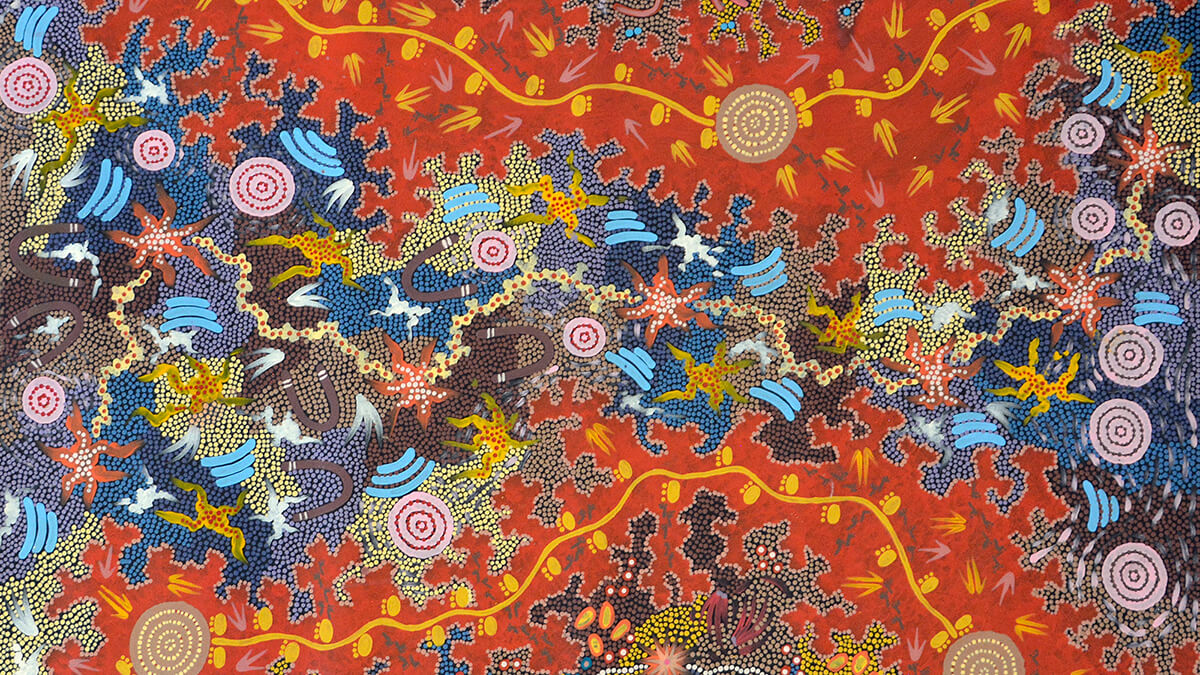
Dot painting and urban Aboriginal art are not rivals. They are two distinct expressions of a culture that has never been confined to a single style, medium, or geography. What the comparison makes clear is that the global art market’s fixation on dots has narrowed the picture in ways that have real consequences for Indigenous artists whose work falls outside that frame.
Aboriginal art has always been more varied than any one tradition can represent. The broader question of how that variety plays out across history is taken up in the comparison of traditional versus contemporary Aboriginal art, and the regional breakdown in the guide to how Aboriginal art styles differ by region.