
What Is a Dreaming Story in Aboriginal Culture?
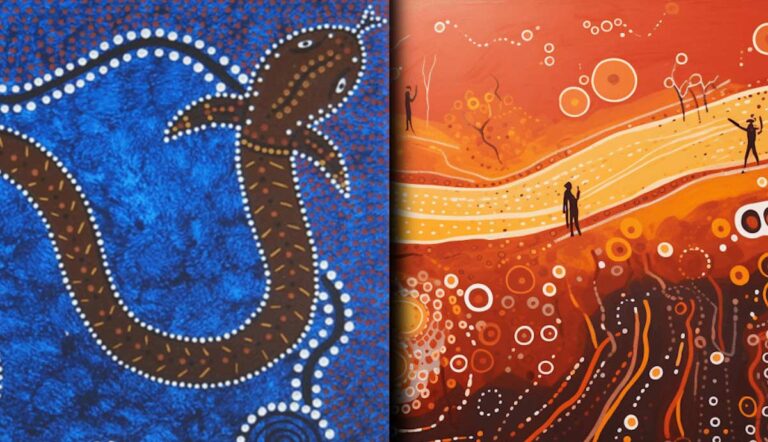
A Dreaming story is the living record of how the world was shaped by Ancestor Spirits, what obligations flow from that shaping, and why the natural world is the way it is. It is not a myth from the distant past but a continuously present framework of law, land, and identity.
How Aboriginal Art Tells Dreamtime Stories
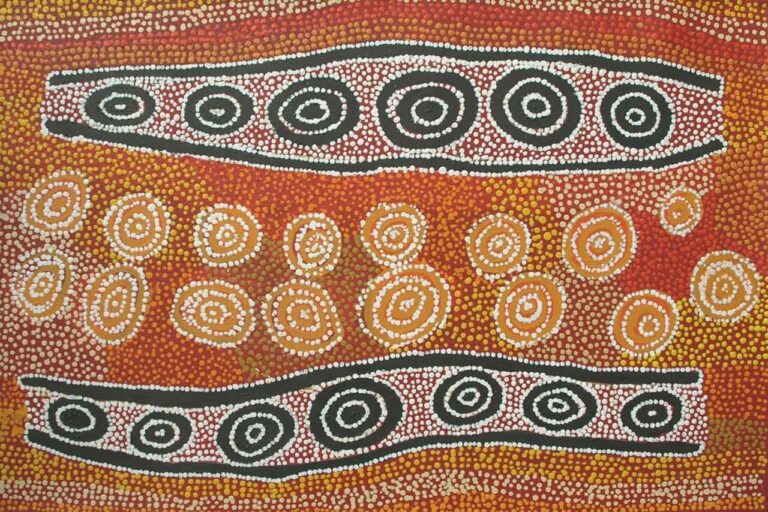
Aboriginal art does not illustrate Dreamtime stories from the outside. It carries them. Understanding how the symbols, tracks, and figures in a painting work reveals why these works are still living cultural documents.
What Do Colours Mean in Aboriginal Art?
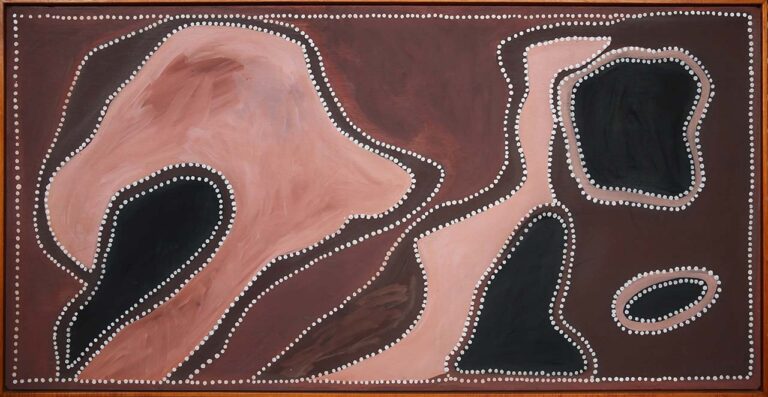
Colours in Aboriginal art are not chosen for aesthetic effect. Each one carries specific cultural, spiritual, and ceremonial meaning rooted in tens of thousands of years of tradition.
What Do Animals Mean in Aboriginal Dreamtime Art?
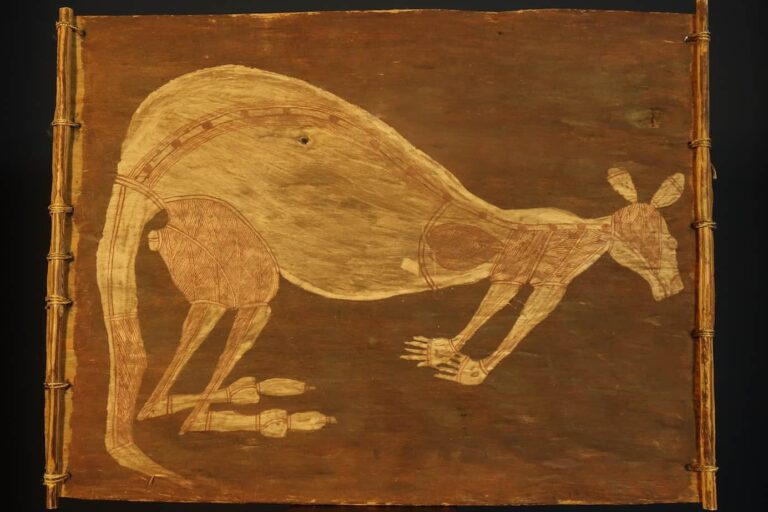
Animals in Aboriginal Dreamtime art carry meanings far beyond the physical creature they depict. Each one is tied to ancestral stories, totemic identity, and a specific place in Country.
What Do Lines and Crosshatching Represent in Aboriginal Art?
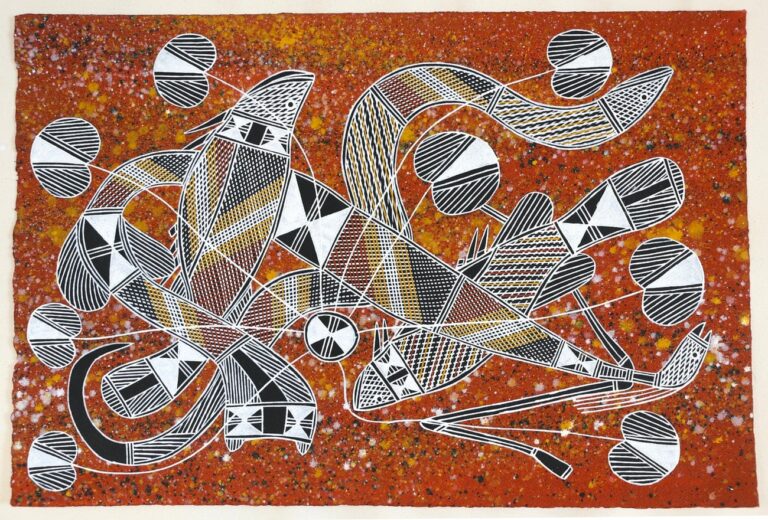
Lines in Aboriginal art carry very different meanings depending on the region. In the Western Desert they mark journeys and landscape features. In Arnhem Land, crosshatching known as rarrk encodes clan identity, spiritual power, and sacred ancestral knowledge.
What Do Circles Mean in Aboriginal Dot Painting?
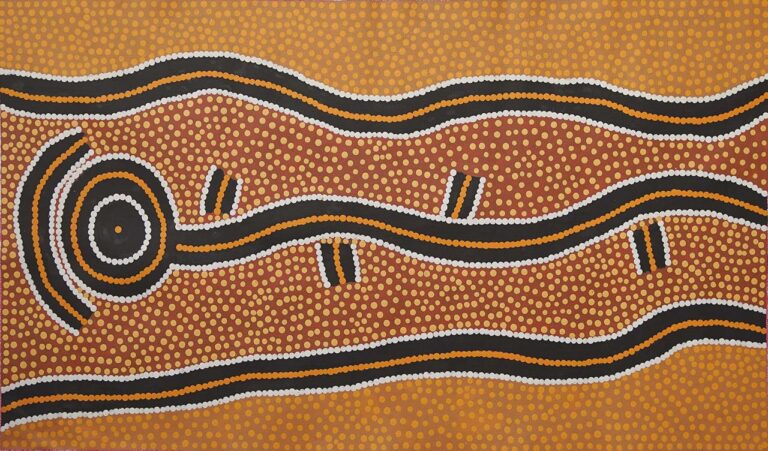
Circles are the most common motif in Aboriginal dot painting, but one circle can mean a waterhole, a campsite, a ceremonial site, or a sacred Dreaming location depending on the story and the artist. Here is what the different forms represent and how to read them.
Aboriginal Art Symbols and Their Meanings
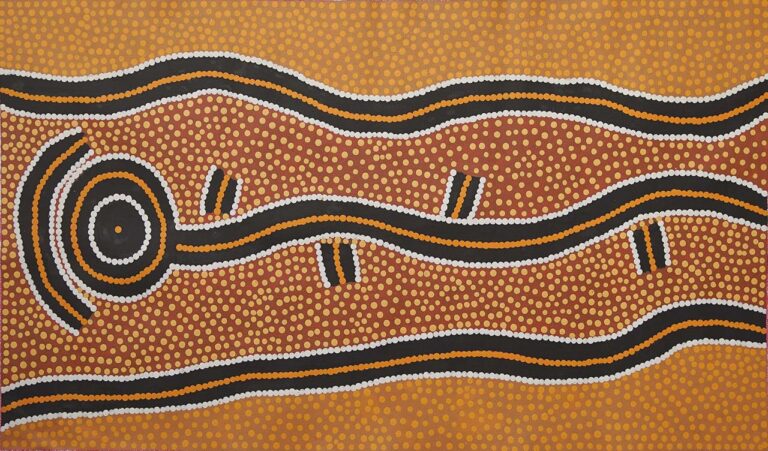
Aboriginal art symbols carry thousands of years of cultural knowledge, storytelling, and Dreamtime tradition. This guide explains the most common symbols and what they represent.
Western Desert Art vs Arnhem Land Art: What Sets Them Apart
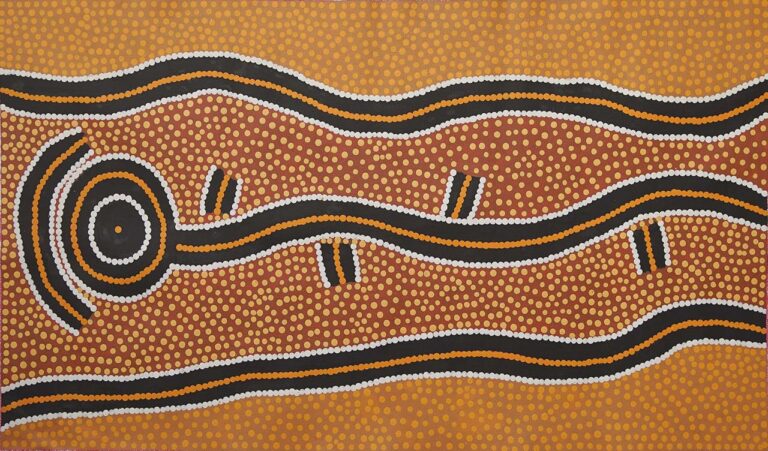
Western Desert art and Arnhem Land art are two of Australia's most recognised Aboriginal artistic traditions, shaped by very different landscapes, techniques, and cultural purposes.
How Aboriginal Art Styles Differ by Region Across Australia
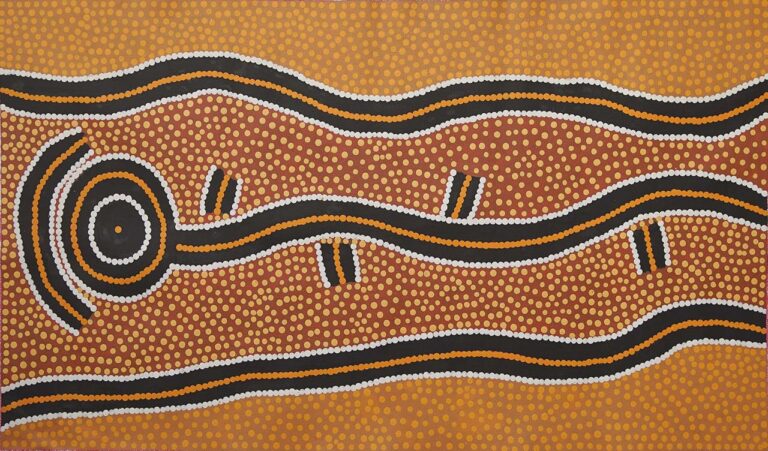
Aboriginal art is not one style but dozens, each tied to a specific part of Australia, a language group, and a body of Dreaming knowledge. Understanding the regional differences is the starting point for understanding the art itself.
Traditional vs Contemporary Aboriginal Art: How the Tradition Evolved
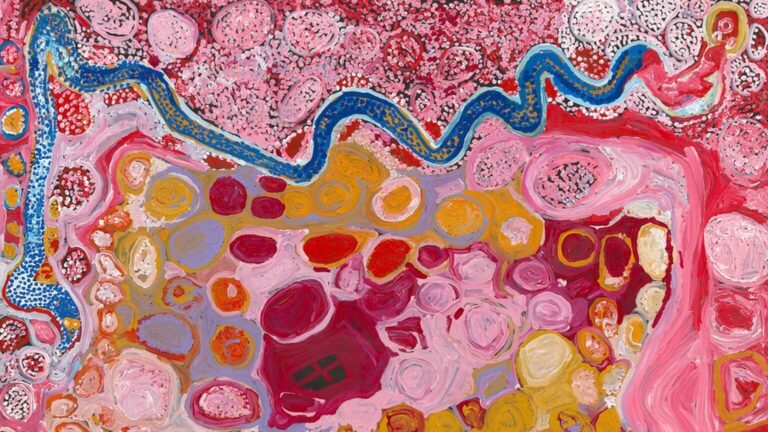
Traditional and contemporary Aboriginal art are not two opposing categories. The materials shifted and the audiences changed, but the underlying connection to Country, Dreaming, and cultural law runs through both without a break.
Rarrk vs X-Ray Art in Aboriginal Culture: Two Traditions from Arnhem Land
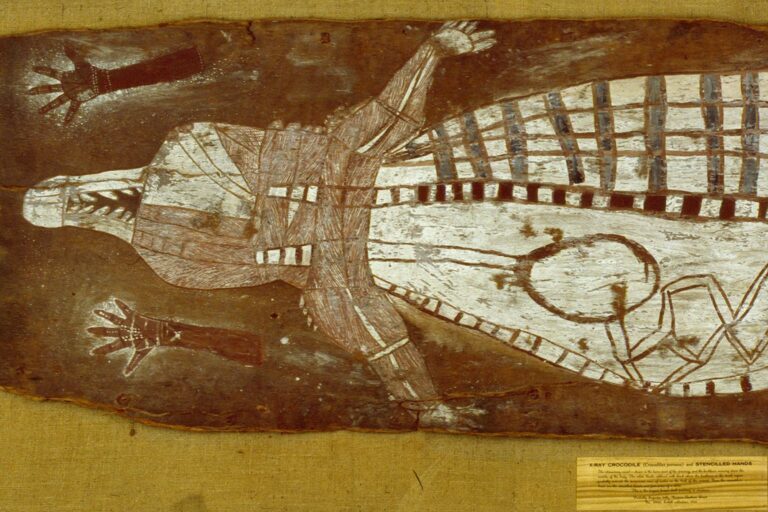
Rarrk and x-ray art are both Arnhem Land traditions that appear side by side in bark paintings, but one is a painting technique and the other is a representational style. Understanding how they differ changes how you read Aboriginal art.
Dot Painting vs Urban Aboriginal Art: What Sets Them Apart?
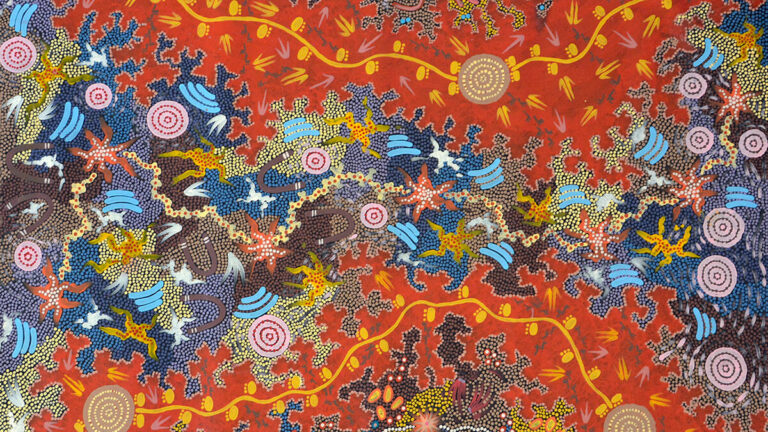
Dot painting and urban Aboriginal art are often treated as opposing ends of the same tradition, but the differences between them go well beyond geography and medium.