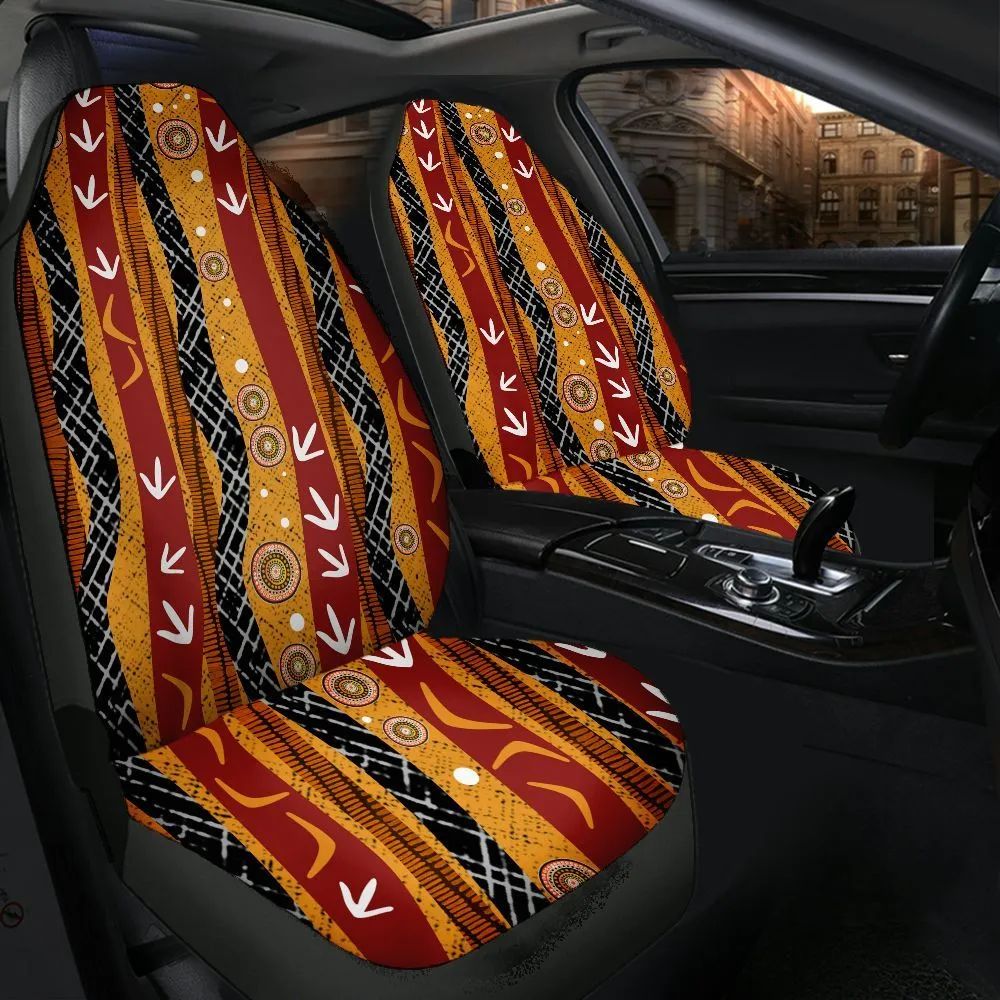
Few upgrades change the feel of a car as quickly as a set of Aboriginal car seat covers. They turn a plain interior into a statement of culture and colour, and they protect your seats at the same time. This guide walks through what these covers are, what to look for in the material and fit, the matching accessories you can add, and how to choose a design that genuinely honours First Nations art.
What Aboriginal car seat covers bring to your car
At their best, these covers do two jobs at once. They carry patterns inspired by Aboriginal art, with bold colour and intricate detail that bring a sense of storytelling to your daily drive. They also protect your seats from spills, everyday wear and the sun’s harsh rays, so an ordinary commute feels a little more uplifting and your upholstery lasts longer. For many drivers the appeal is personal, a way to refresh a tired interior, make a car stand out, or simply feel more connected to heritage on every trip.
What to look for: material, fit and protection
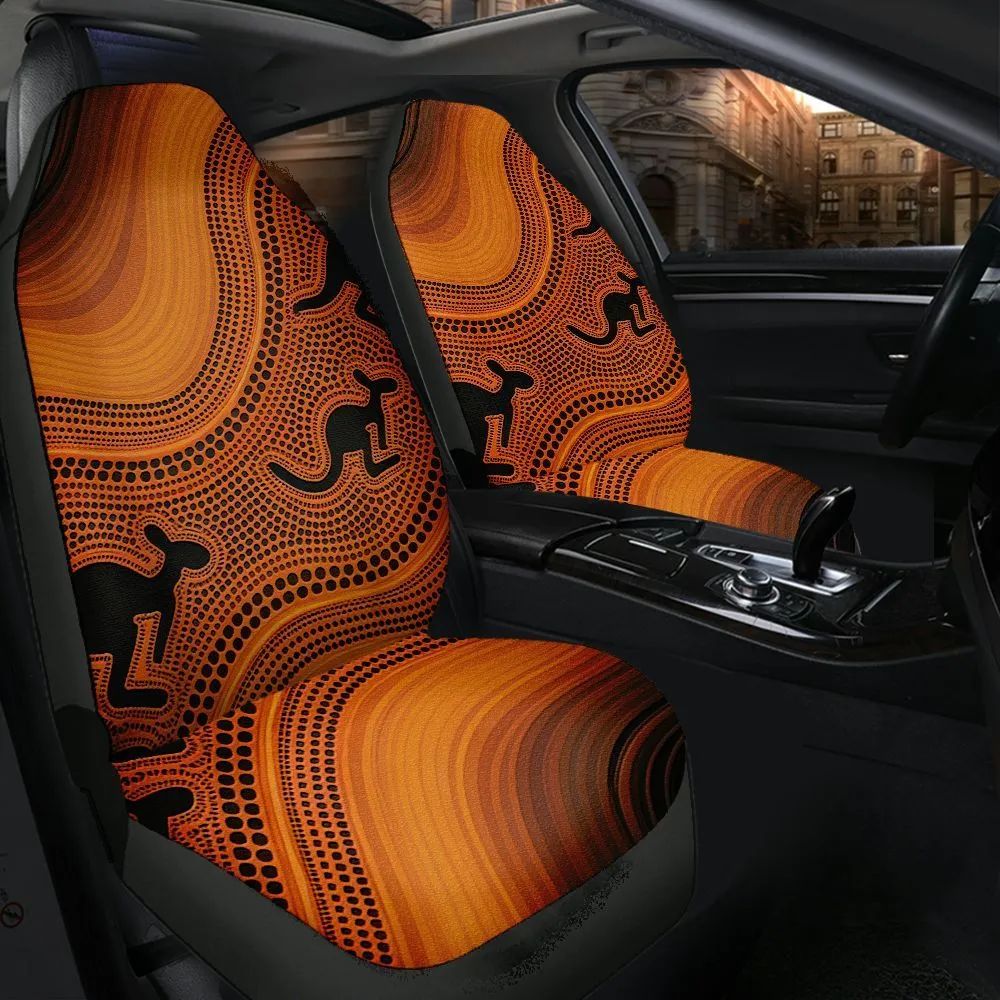
Most Aboriginal car seat covers share a similar build, so it helps to know what the specs mean before you buy:
- Material: the majority are made from polyester (commonly 95 to 100%), a hard-wearing fabric that holds colour well.
- Print quality: thermal-transfer and high-tech graphic prints keep the designs vibrant, and good covers use fade-resistant fabric so colours stay vivid over time.
- Fit: covers are usually sold as a set of 2 with a universal fit that suits most vehicles, and many are compatible with seats that have integrated side airbags.
- Protection: the practical payoff is real, covers shield your seats from spills, wear and UV, and they are easy to install and clean.
Beyond the seat: matching car accessories
Seat covers are often just the start. If you want a coordinated interior, Aboriginal art now appears across a whole range of car accessories, each with its own purpose and sizing, part of the wider world of Indigenous designed homewares.
| Accessory | Typical size | What it does |
|---|---|---|
| Car mats | Fit utes, sedans, 4x4s, hatchbacks | Non-slip backing; protect flooring from dirt, spills and wear |
| Headrest covers | 25 x 28 cm, universal fit | Soft breathable polyester, machine washable |
| Seatbelt covers | 21 x 29 cm | Ultra-soft neoprene to prevent chafing on long drives |
| Windscreen covers | 70 x 140 cm | Waterproof PVC and aluminium, block UV, rain and frost |
| Cup coasters | Cup-holder size | Absorbent linen and PU with a non-slip grip |
Choosing an authentic design
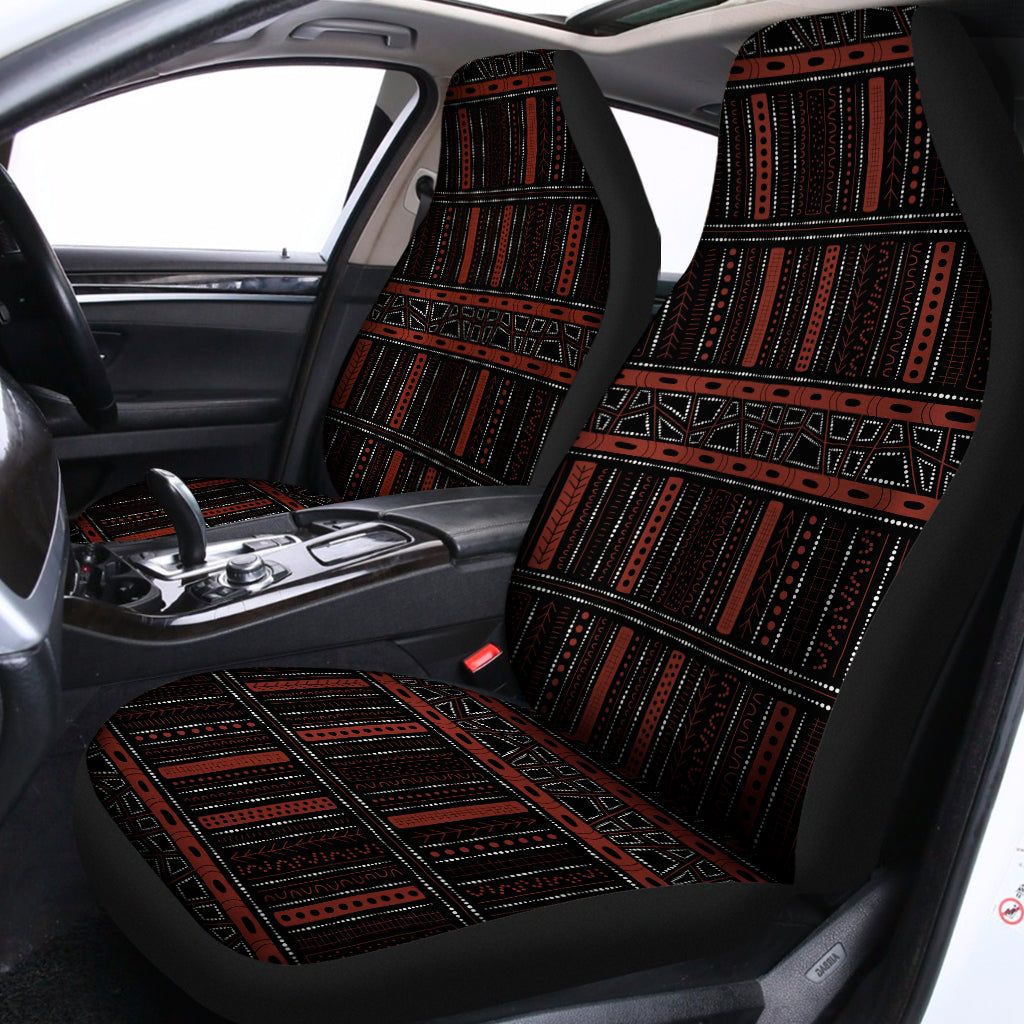
This is the part worth pausing on. Plenty of car seat covers simply print a generic pattern, with stock produced overseas, so the design carries no real connection to a First Nations artist. The covers worth buying treat the car as a mobile showcase of authentic Indigenous storytelling, featuring genuine Aboriginal art that celebrates the world’s oldest living cultures. Look for sellers who name the artist or art centre behind a design, the same standard the Indigenous Art Code promotes across the wider Indigenous art market, so your purchase supports the people whose culture it celebrates.
Fit, sizing and a few buying notes
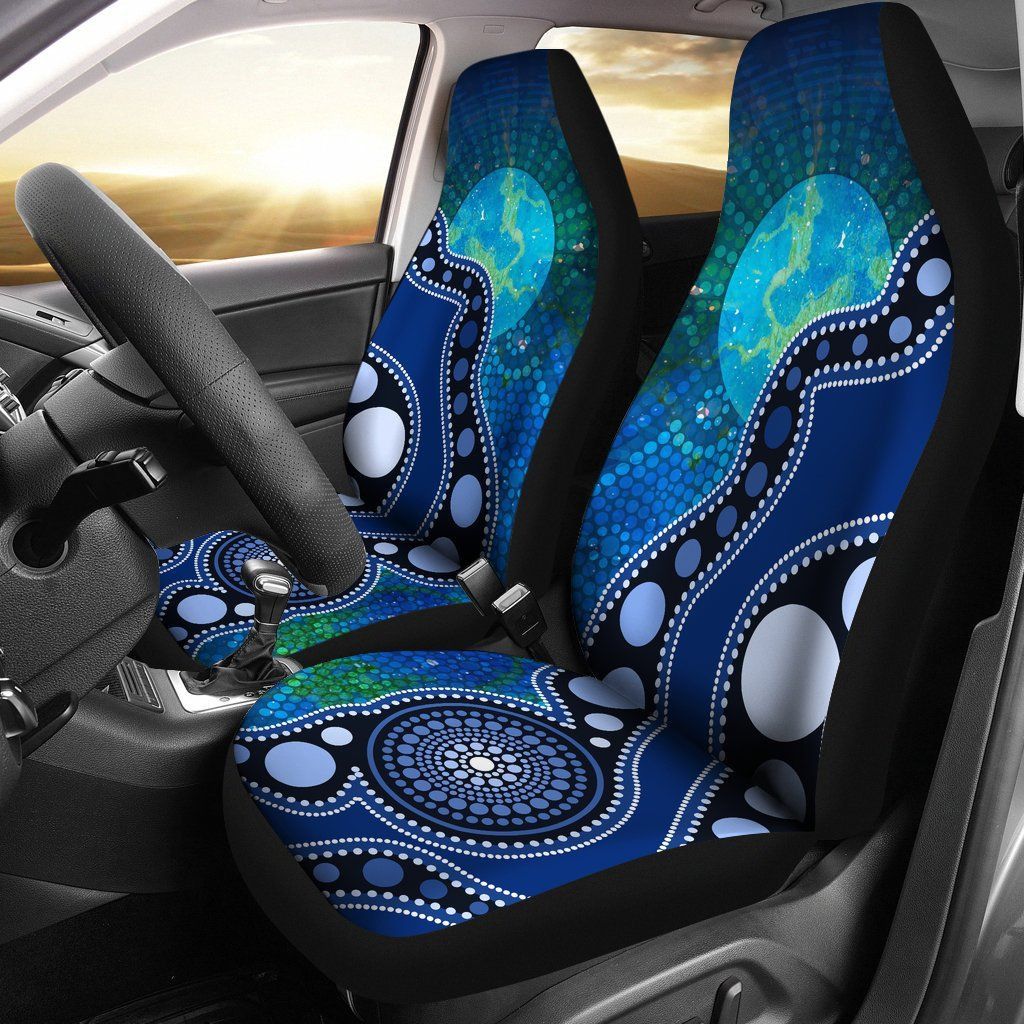
A few practical notes save disappointment later. Because most covers are cut and sewn by hand, expect a slight size difference of around 1 to 3 cm and a small colour variation depending on your screen and lighting, and the print position can shift a little between items. Check the seller’s size chart against your seats before ordering, and confirm the set covers the seats you actually want, since front pairs and full sets are sold separately. Reputable stores back their covers with a return or exchange window, often 30 days. When you are ready to browse designs, our Aboriginal car seat cover range is a good place to start, and buying from ethical Indigenous-owned brands listed with directories like Supply Nation is a simple way to keep your money supporting community.
Before You Buy
Do Aboriginal car seat covers fit any car?
Most are sold as a universal-fit set of 2 that suits the majority of vehicles, and many are compatible with seats that have integrated side airbags. Always check the seller’s size chart against your own seats first.
What material are they made from?
Typically 95 to 100% polyester with thermal-transfer or high-tech graphic prints. The fabric is fade-resistant, so the colours stay vivid through everyday use and sun exposure.
Are they easy to clean?
Yes. The covers are easy to install and clean, which is part of why they are popular for protecting seats from spills and daily wear, and matching items like headrest covers are machine washable.
How do I know the design is authentic?
Look for covers that feature genuine Aboriginal art and name the artist or art centre behind the design, rather than a generic printed pattern, so the artists are credited and supported.