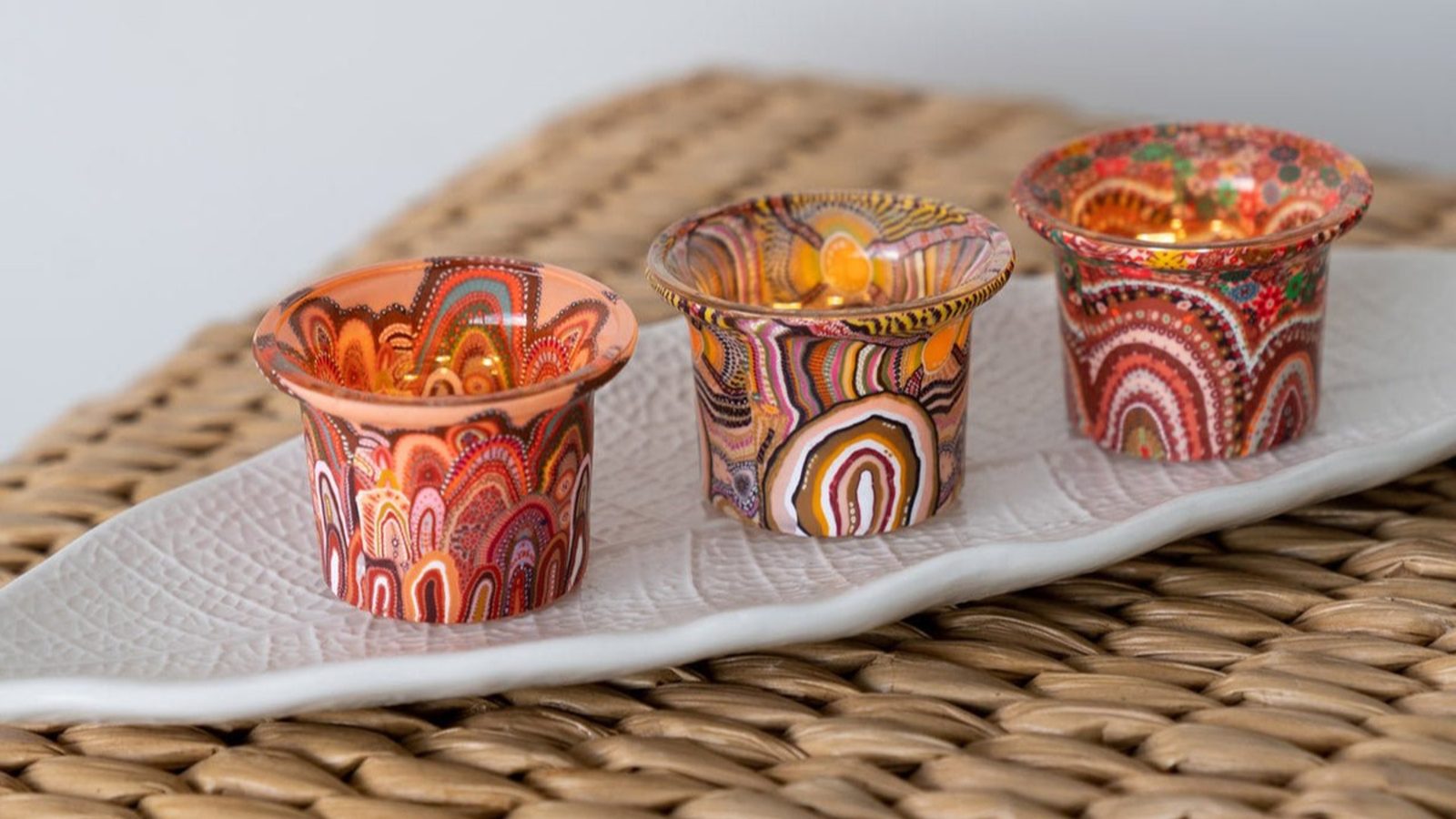
Walk through an Australian living room curated with Aboriginal art and the difference reads in seconds. Earth tones, line work, motifs that come from Country. The question for most buyers is not whether to bring that warmth home, but which brand to trust with their money. We pulled seven of the most visible Aboriginal art home decor brands in the country and put them side by side: who owns the business, where the art is sourced, how artists get paid, and what each one actually sells.
What “Aboriginal home decor” actually means
Aboriginal home decor covers interior pieces that carry motifs, symbols and artworks created by Aboriginal and Torres Strait Islander artists. That includes hand-painted originals and prints, woven textiles, ceramic pieces, cushions, rugs, candles and botanical work. Each piece carries cultural significance rooted in Dreamtime stories, totems and Country, so the brand behind the product matters as much as the product itself. A printed cushion from an Indigenous-led label routes money back to communities. An identical-looking cushion from a generic homeware chain often does not.
How we compared the seven brands
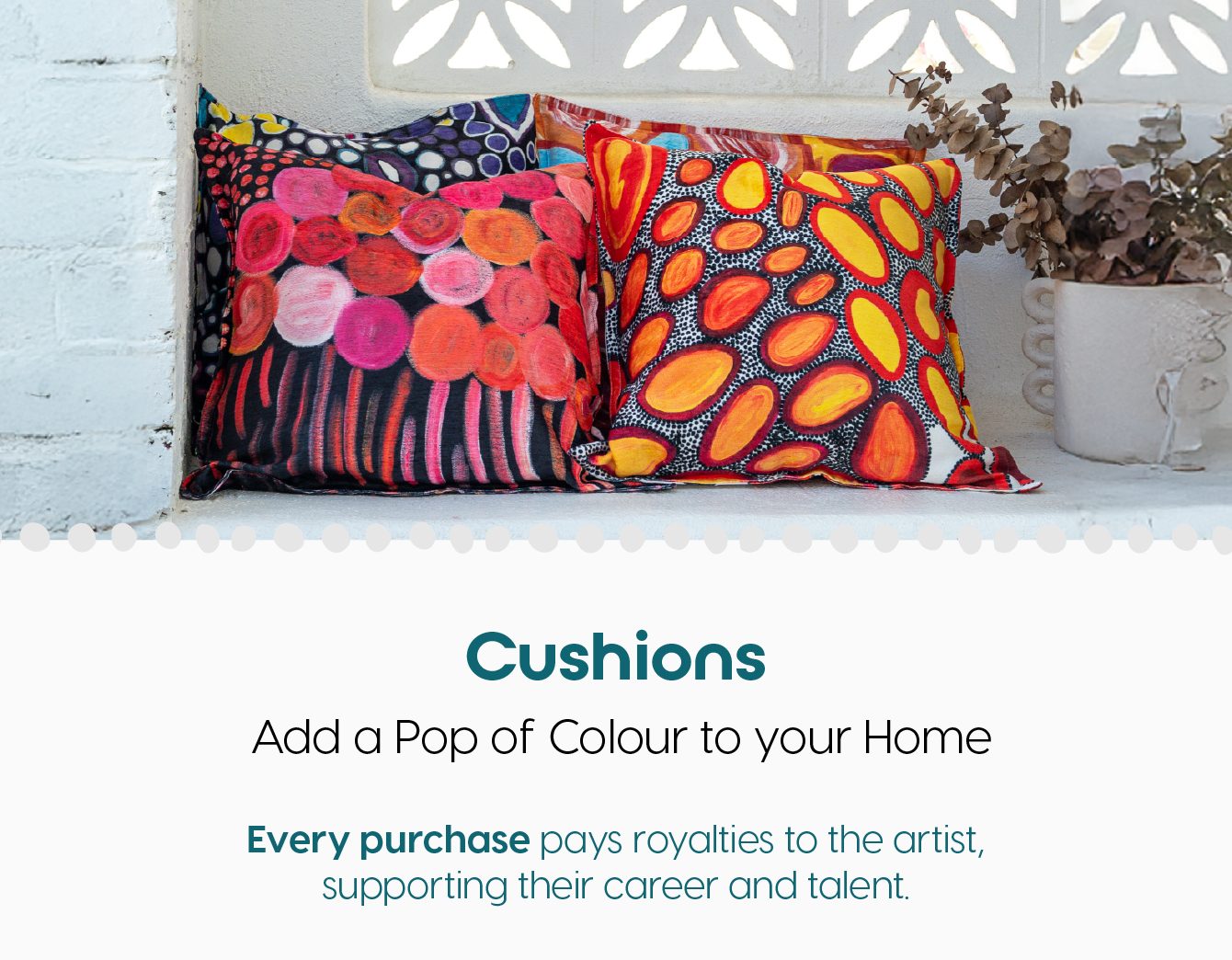
Our shortlist comes from the brands consumers and editors actually surface for Aboriginal home decor. We then looked at five things for each one.
- Ownership: is the business Indigenous-owned, or a non-Indigenous business collaborating with Aboriginal artists?
- Sourcing: are artists named on every product, and are they working through their own studio or a recognised art centre?
- Royalties: does the artist get paid per sale, or only on a once-off licence?
- Certifications: Supply Nation, Indigenous Art Code, or member listing on aboriginalart.org.au.
- Product breadth: original art, prints, textiles, ceramics, candles, rugs, or a narrow focus.
Seven brands at a glance
| Brand | Ownership | Product focus | Royalties / artist pay | Certifications |
|---|---|---|---|---|
| Miimi & Jiinda | Indigenous-owned (mother and daughter) | Prints, textiles, lifestyle | Own studio, in-house artists | Indigenous business |
| Briar Blooms | Indigenous-owned (Palawa artist Domica Hill) | Originals, prints, botanical decor | Own studio, artist-founder | Indigenous business |
| Kullilla Art | Indigenous-owned | Homewares, prints, gifts | Own studio | Indigenous business |
| Kinya Lerrk | Indigenous-owned | Design-led home and office | Own studio | Indigenous business |
| Yarn Marketplace | Collaborative marketplace | Homewares from many designers | Per-sale to listed artists | Indigenous Art Code |
| Koh Living | Australian-owned, royalty model | Ceramics, candles, journals | Royalty per sale to artists | Made in Australia |
| Mainie | Indigenous-owned (Gunggari, since 2012) | Original Central Desert art, textiles | Pays art centres directly | Supply Nation, Indigenous Art Code |
Indigenous-owned independents
Miimi & Jiinda
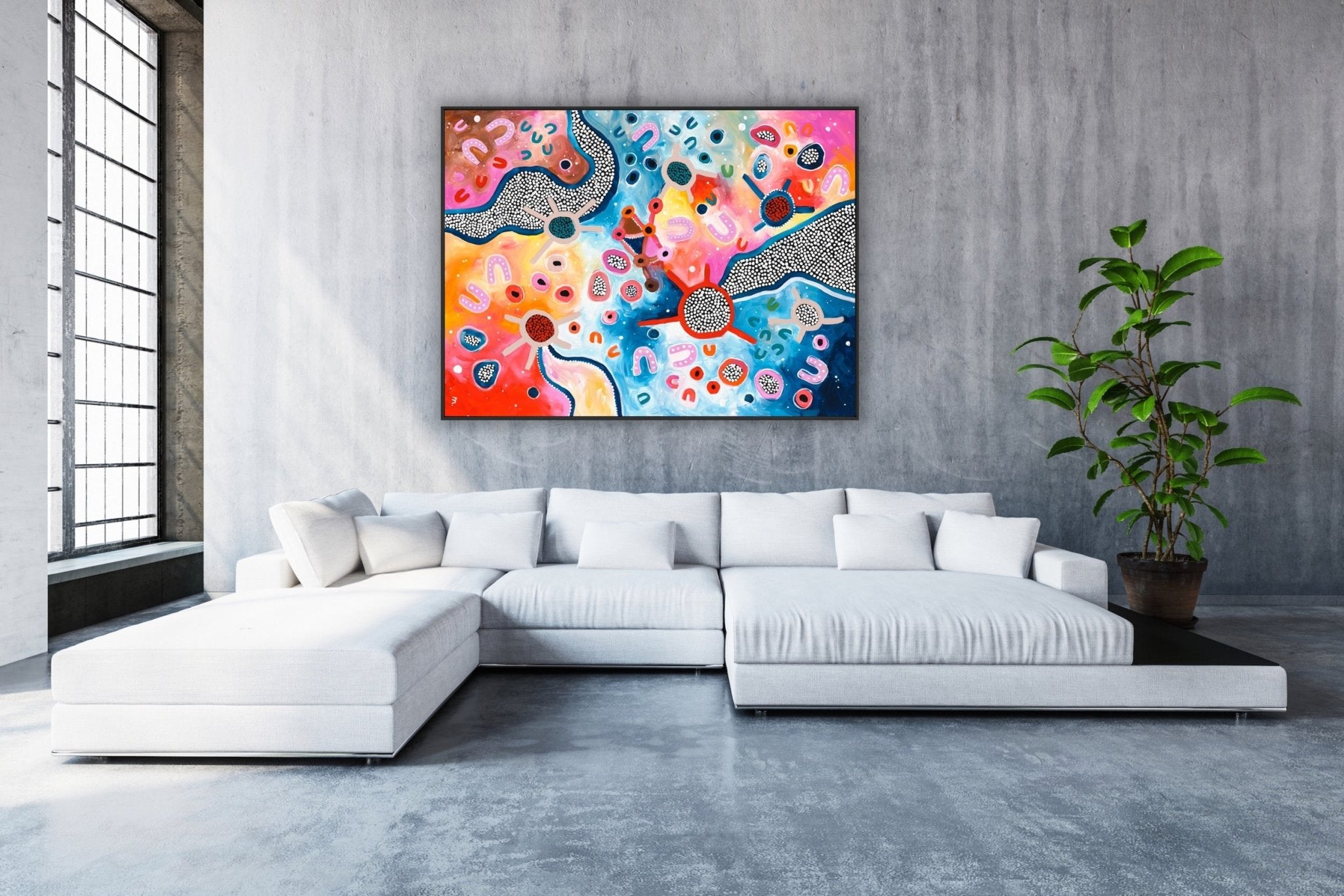
Founded by Aboriginal mother and daughter Melissa Greenwood and Lauren Jarrett, Miimi & Jiinda blends original work with a lifestyle range across prints, scarves, and cushions. Strongest for buyers who want a single artistic voice rather than a marketplace.
Briar Blooms
Briar Blooms is the studio of Palawa artist Domica Hill. The range pairs original paintings with dried botanical installations and small homewares. Best for living rooms where the art is the focal point and the rest of the decor is muted.
Kullilla Art
One of the longer-running Aboriginal homewares stores online. The catalogue is wide, from tea towels and trays through to prints and gifts, and the line stays close to the founder’s own work. Suits buyers wanting affordable everyday pieces at the homeware tier rather than gallery investment.
Kinya Lerrk
Kinya Lerrk positions itself for both homes and offices, with bold colour treatments that pair well with corporate fitouts and contemporary apartments. Good fit if you want strong colour rather than ochre and desert palettes.
Curated marketplaces and brand collaborations
Yarn Marketplace
Yarn is not a single artist but a curated catalogue of First Nations designers across homewares, fashion, gifts, and stationery. Strongest if you want one cart that pulls from many makers and you trust a buyer to check the credentials so you do not have to.
Koh Living
Koh Living is the most visible non-Indigenous-owned brand in this space and the answer to a common search query: yes, it is Made in Australia. The business collaborates with Aboriginal artists on ceramics, candles, and journals, and pays a royalty per sale back to each named artist. The trade-off is that the brand, not the artist, leads the shopfront.
Mainie
Founded in 2012 by Gunggari woman Charmaine Saunders, Mainie sits between independent and marketplace. It is Supply Nation certified and Indigenous Art Code approved, works exclusively with traditional artists from Central Australian art centres including Warlukurlangu and Utopia, and every piece ships with a Certificate of Authenticity and the artist’s story. Interior designer Rebecca Nelson offers free styling consultations through the gallery.
Picking the right brand for your room
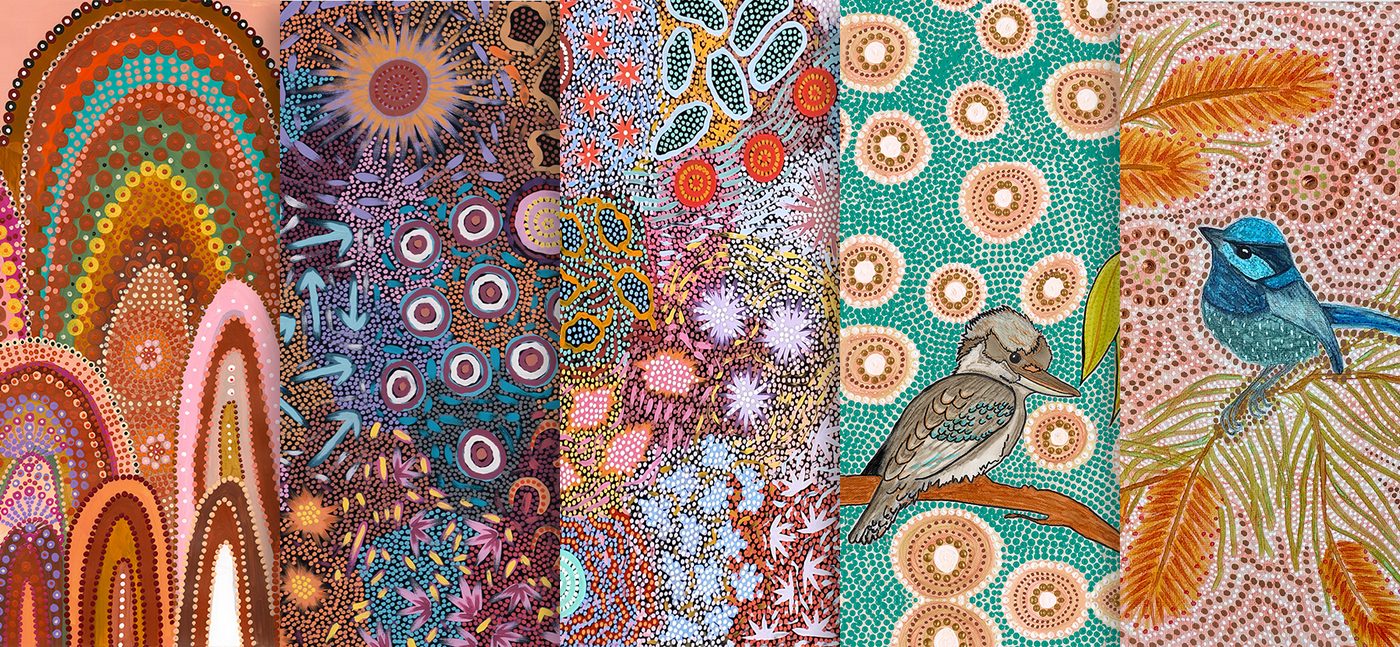
Brand choice usually comes down to room, budget, and how much of a story you want with the piece.
- Statement living room wall: original from Mainie, Miimi & Jiinda or Briar Blooms; budget from a few hundred up to several thousand.
- Sofa, bed and dining refresh: cushions, throws and table runners from Yarn or Kullilla Art; budget under 200 per piece.
- Everyday ceramics and giftable items: Koh Living mugs, tumblers, candles, journals; budget under 80 per piece.
- Office or corporate fitout with colour pop: Kinya Lerrk prints and cushions.
- Colour palette planning: anchor with one Aboriginal piece, then pull a couple of neutrals from the artwork’s ochre, blue or desert tones.
If you are still mapping how an Aboriginal piece sits in your overall scheme, our guide on interior styling with Aboriginal art walks through the room-by-room approach.
Ethical checks before you click buy
Whichever brand you go with, the questions that protect both you and the artist are the same.
- Is the artist named on the product page?
- Is the brand Indigenous-owned, or does it pay a royalty per sale to a named artist?
- Is the business Supply Nation certified or an Indigenous Art Code dealer member?
- For originals, is there a Certificate of Authenticity?
- For prints and homewares, is it a licensed reproduction or a “tribal-style” knockoff?
A product that fails three or more of those checks is not Aboriginal home decor in any meaningful sense, it is decor that borrows the look. The Indigenous Art Code’s buying ethically guide is the reference most galleries point shoppers to.
The short answer
For investment-grade original work, Mainie and the independent artist studios above are the safer picks. For furniture and bedding refreshes that still send money to First Nations communities, Yarn and Kullilla cover most needs. For everyday ceramics and gifts, Koh Living is the most accessible non-Indigenous-owned name that compensates artists per sale. Match brand to budget and room, and the seven names above between them cover almost every Aboriginal art home decor brief in 2026.
Quick Answers Before You Buy
Is Aboriginal art a good investment?
Original works from named artists at established art centres or galleries can appreciate, particularly pieces sold with full provenance and a Certificate of Authenticity. Prints, homewares and licensed reproductions are decor, not investment.
Is Koh Living an Australian company?
Yes. Koh Living is Australian-owned and Made in Australia. It is not an Indigenous-owned business, but it pays per-sale royalties to the Aboriginal artists it collaborates with.
How do I know a brand is genuinely Indigenous-owned?
Look for Supply Nation certification, a clear founder bio identifying the artist’s mob or community, and Indigenous Art Code dealer membership. Marketplaces should list the artist on every product, not only the brand.
What is the best place to buy authentic Aboriginal art products online?
For original works, Indigenous-owned galleries or art centres are the safest path. Our guide on authentic Aboriginal art online walks through the most trusted galleries and what to check before checkout.