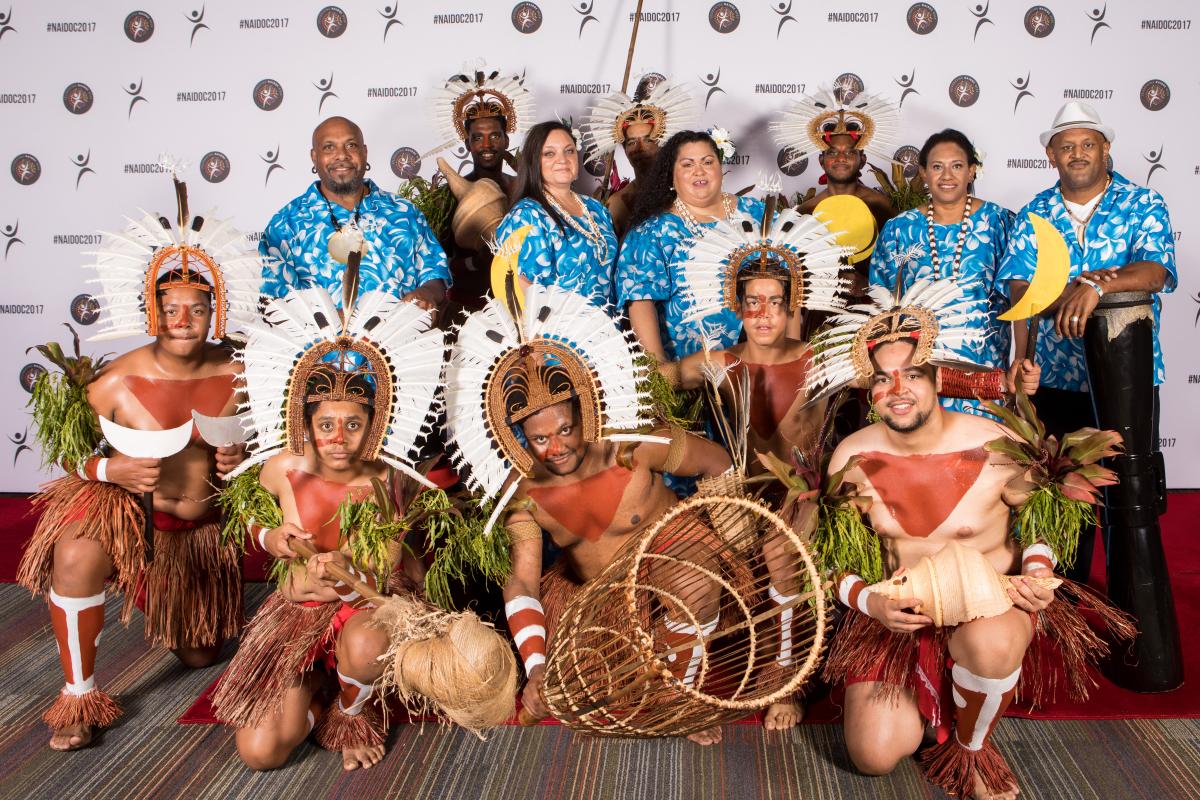
NAIDOC Week is one of the most significant moments on the Australian calendar. It is a week-long national observance that celebrates the history, culture, and achievements of Aboriginal and Torres Strait Islander peoples. For all Australians it is also an opportunity to learn about the oldest, continuous living cultures on earth and to walk alongside First Nations communities.
What NAIDOC Week stands for
NAIDOC stands for the National Aboriginal and Islanders Day Observance Committee. The acronym dates back to a committee that took on responsibility for organising national observance activities, and the name has remained even as the week has grown well beyond its original scope. Today the term refers both to the committee and to the national week of celebration it coordinates.
The observance celebrates the history, culture, and achievements of Aboriginal and Torres Strait Islander peoples, and provides a window for the wider Australian community to engage with First Nations stories, art, language, and lived experience.
The history of NAIDOC Week
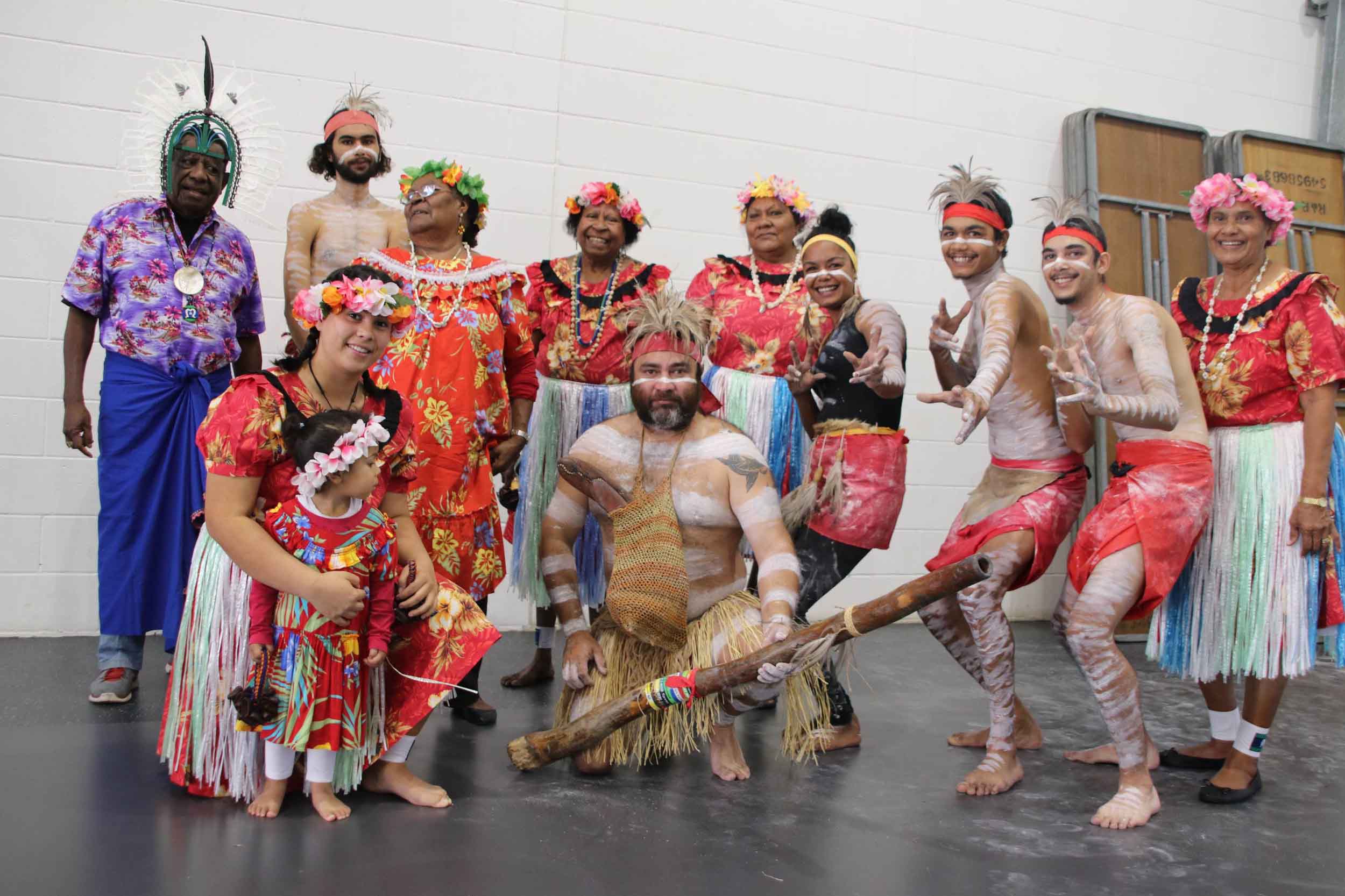
NAIDOC has its roots in protest. What began as the 1938 Day of Mourning grew into a single day of observance, then expanded into a full week in 1975, and was renamed in 1991 to formally include Torres Strait Islander peoples. For the longer timeline, see the story behind it.
When NAIDOC Week is held
NAIDOC Week takes place in the first week of July each year, running Sunday to Sunday. In 2026 the dates are 5 to 12 July. While the national week is fixed, many communities, schools, and workplaces extend their celebrations across the month, hosting events and learning programs before and after the official dates.
Why NAIDOC Week is important
NAIDOC Week matters for several reasons that go beyond a calendar reminder.
It honours more than 60,000 years of continuous Indigenous presence in Australia, an unbroken cultural lineage that predates European settlement many times over. Celebrating that depth of history is a way of giving Aboriginal and Torres Strait Islander peoples the visibility their place in the national story has long deserved.
It also creates space for the wider Australian community to learn. Schools, workplaces, councils, and households use the week as a starting point to understand language groups, kinship systems, art traditions, and the protocols that surround Country. For many non-Indigenous Australians, NAIDOC is the most accessible entry point into First Nations knowledge.
NAIDOC Week sits within a longer conversation about reconciliation. Community advocates describe the week as a moment for “working together” rather than division, particularly important after the 2023 Voice to Parliament Referendum, which highlighted how much education and communication is still needed. A single week cannot resolve those questions, but it keeps them in public view.
For Aboriginal and Torres Strait Islander peoples themselves, NAIDOC is a celebration of community achievements and successes. It is a moment to recognise individuals, groups, Elders, and youth who carry culture forward.
How NAIDOC Week is celebrated
NAIDOC celebrations take many forms, shaped by the community holding them. Common activities include:
- Yarning circles where Elders, young people, and community members share stories
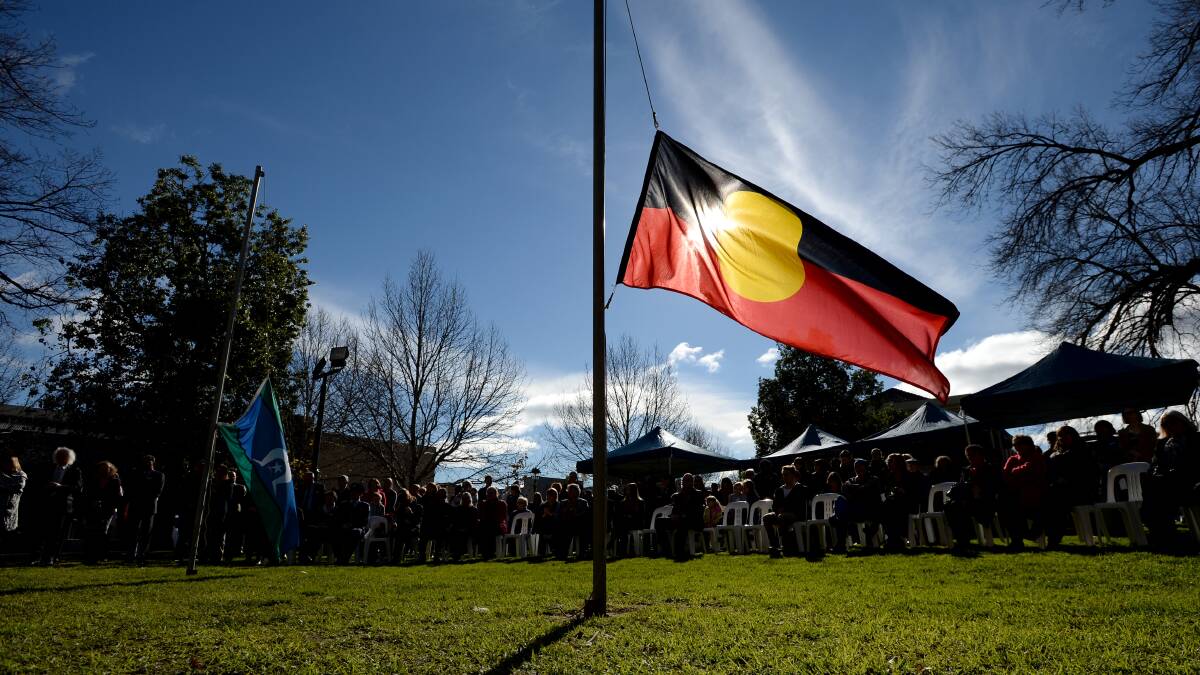
- Flag raisings of the Aboriginal and Torres Strait Islander flags
- Smoking ceremonies and Welcome to Country
- Traditional food preparation and shared community meals
- Art exhibitions and craft workshops, often featuring local artists
- Wearing NAIDOC Week apparel that carries the work of First Nations artists
- School programs that introduce age-appropriate cultural learning
- Community stalls, festivals, and family-friendly cultural events
- Special church and interfaith services led by First Nations leaders
The National NAIDOC Awards Ceremony is the premiere event each year, recognising outstanding Aboriginal and Torres Strait Islander individuals across categories such as Person of the Year, Female Elder, Male Elder, Youth, Sportsperson, and Lifetime Achievement. Local Grants funding from the National Indigenous Australians Agency supports community events nationwide, so that smaller towns and regional communities can hold their own activities.
The annual theme and the NAIDOC poster

Every NAIDOC Week is built around a national theme chosen for that year. The 2026 theme is “50 Years of Deadly”, marking five decades since the week-long format began in 1975. Themes give celebrations a shared thread and shape the artwork, conversations, and events held across the country.
The official NAIDOC poster, selected through the annual poster competition open to Aboriginal and Torres Strait Islander artists aged 18 and over, has become an icon in its own right. Winning artworks have appeared on public transport and have been featured by major organisations including the Australian Open and Microsoft.
NAIDOC Week as an invitation
NAIDOC Week is more than a date on the calendar. It is an annual invitation to pause, listen, and honour the people whose cultures have shaped this continent for tens of thousands of years. Whether you join a yarning circle, attend a local event, learn the name of the Country you live on, or simply share what you have learned with your family, every act of participation strengthens the long, ongoing work of reconciliation. The first week of July is a starting point, not a finish line.
Frequently asked questions
What is the main purpose of NAIDOC Week?
The main purpose is to celebrate the history, culture, and achievements of Aboriginal and Torres Strait Islander peoples, and to create space for all Australians to learn about and engage with the oldest, continuous living cultures on earth.
Who is recognised as the oldest living culture in the world?
Aboriginal and Torres Strait Islander peoples are widely recognised as having the oldest, continuous living cultures on earth, with a presence in Australia spanning more than 60,000 years.
Who can take part in NAIDOC Week?
Everyone. While NAIDOC is centred on First Nations communities, the week is designed for all Australians to participate through schools, workplaces, councils, churches, and local events.