Search for the most ethical Aboriginal art brand and you get a list. What you do not get is a ranking that holds up. Ethics in this market is not a contest one company wins, it is a set of checks any honest brand has to pass, and the spread between the best and the worst is wide. Here is the honest answer, the single signal that matters most, and the brands that pass the strictest checks in 2026.
The honest answer: ethics is a checklist, not a winner
No single Aboriginal art brand is “the most ethical” in any way you can defend. Power imbalances run through the entire sector, and the common abuse pattern is coercion by parties in a perceived position of power over the artist, not one rogue brand. What separates an ethical brand from an unethical one is whether artists are treated fairly, respected culturally, and benefit directly from each sale. That comes down to a checklist any buyer can run in two minutes. The strongest brands pass every item on the list. The weakest fail most of it and dress the difference up with photos of artists holding work, which are not proof of anything.
The signal that matters most: Indigenous Art Code membership
If you only check one thing, check this. The Indigenous Art Code (IartC) is a voluntary public code of conduct, and dealer signatories have to meet ethical standards on:
- Honest, professional dealings with Indigenous artists.
- Respect for cultural practices and Indigenous Cultural and Intellectual Property (ICIP).
- Transparency in how art is sourced, promoted and sold.
- Documented provenance on every artwork, including artist details and the artwork’s story.
- A public, fair complaints process if something goes wrong.
The Code was set up after a 2007 Senate inquiry into “scams in the desert” found systemic exploitation. Today, the IartC logo on a brand’s site is the closest thing this market has to a baseline ethics certification. Sitting alongside it is the Aboriginal Art Association of Australia, the national body that signatory galleries point to as the second layer of accountability.
The strongest ethical tier: community art centres
Community-owned art centres sit one tier above any retail brand. They are the gold standard for ethical Indigenous art production. Centres like Warlukurlangu, Utopia, Barkly Regional Arts, Martumili and Hope Vale operate as not-for-profit intermediaries between artists and the market. They:
- Provide materials, studio space and professional development.
- Pay artists a transparent share of every sale.
- Stamp the back of each canvas with the centre’s logo, the artist’s name, a catalogue number, dimensions and the story.
- Issue Certificates of Authenticity tied to provenance, not photo evidence.
For most Indigenous artists, art sales pay for food, bills and the occasional trip back to Country, so the centre’s role in fair compensation is not a marketing line, it is the income floor. Any retail brand that sources from a recognised art centre inherits that ethics floor by association.
Indigenous-owned brands and galleries with verifiable ethics
Below the art-centre tier, several brands have credentials that survive scrutiny. The ones consistently called out by independent media, museums and the IartC itself include:
Aboriginal Art Co
Built around the line “proudly creating an Indigenous supply chain,” it keeps profits inside Indigenous communities. Operates in the cited model of an Indigenous-led art centre / supply chain.
Japingka Aboriginal Art
An IartC signatory and Aboriginal Art Association of Australia member with a 30-year track record. Public ethics statement covers fair artist dealings, ICIP respect, sales transparency and a documented complaints process.
Better World Arts
Positions on fair-trade rugs, paintings and jewellery from Indigenous Australian artists alongside artisans globally, with documented royalty arrangements on licensed reproductions.
Saretta Art and Design
Indigenous-owned and featured in SBS Audio coverage on how to buy ethical Indigenous art, with the artist named on every product.
Mainie
Indigenous-owned, Supply Nation certified and IartC approved. Sources exclusively from Central Australian art centres, every piece ships with a Certificate of Authenticity.
How to vet any Aboriginal art brand in 60 seconds
If a brand is not on the lists above, the IartC’s own buying guide reduces the work to three questions. Add two more from community art centres and you have a 60-second test.
- Who is the artist, and is their name on the product page?
- Where is the artist from (community or language group)?
- How does the artist get paid, and what percentage of the sale do they receive?
- How long has the dealer worked with that artist or art centre?
- For prints and homewares, is there a royalty or licensing agreement, not a one-off licence fee?
A brand that answers all five without hedging is operating ethically. A brand that fudges any of them is not.
Red flags that signal an unethical brand
The same authority sources that recommend the brands above are also clear on what to avoid.
- Significant or constant discounting on original work, because the loss usually gets pushed back onto the artist.
- A photo of the artist holding the work offered as the only proof of provenance.
- The seller will not disclose what percentage of the sale reaches the artist.
- No art centre stamp on the back of an original canvas, and no Certificate of Authenticity with artist information.
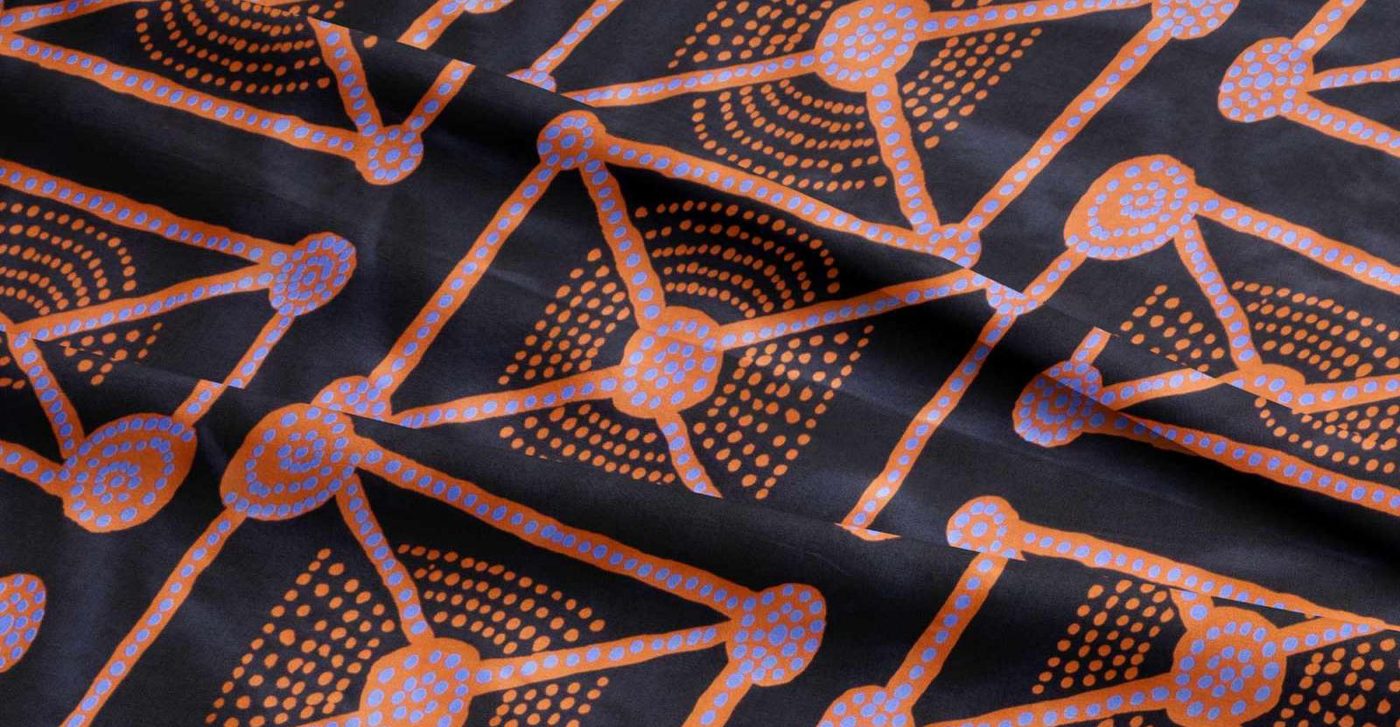
- “Tribal-style” homewares with no named artist and no licensing agreement, often imported and mass-produced overseas.
- The seller offers an artist a “trivial amount” for work later resold for thousands.
If a brand fails three or more of these, the right answer is to walk away. A side-by-side look at how mainstream homeware brands stack up on these tests sits in our Aboriginal art home decor brands compared guide.
The short answer
There is no single Aboriginal art brand that is the most ethical. Community-owned art centres are the strongest tier, then IartC dealer signatories like Japingka, then Indigenous-owned independents like Aboriginal Art Co, Saretta, and Mainie, then non-Indigenous brands that pay per-sale royalties to named artists. Run the five-question check on any brand before checkout. If it passes, your money is reaching the artist. If it does not, no amount of dot painting on the homepage makes the brand ethical.
Quick Answers Before You Buy
How do you buy Aboriginal art ethically?
Buy from Indigenous Art Code signatories, community art centres, or Indigenous-owned brands that name every artist on every product. Ask who the artist is, where they are from and what percentage of the sale they receive.
Is Magpie Goose Aboriginal owned?
Yes. Magpie Goose is a proudly Aboriginal owned and led fashion and social enterprise that has collaborated with the Museum of Brisbane on celebrating First Peoples cultural stories and designs.
Is Aboriginal dot painting authentic when sold as homewares?
Only if the artist is named, the product has a licensing or royalty arrangement with that artist, and the brand can show the agreement. Unlicensed “tribal-style” dot prints with no named artist are decor, not authentic Aboriginal art.
Where can I find authentic Aboriginal art online?
Our guide on authentic Aboriginal art online lists the galleries and art centres trusted by the Indigenous Art Code and most major Australian museums.