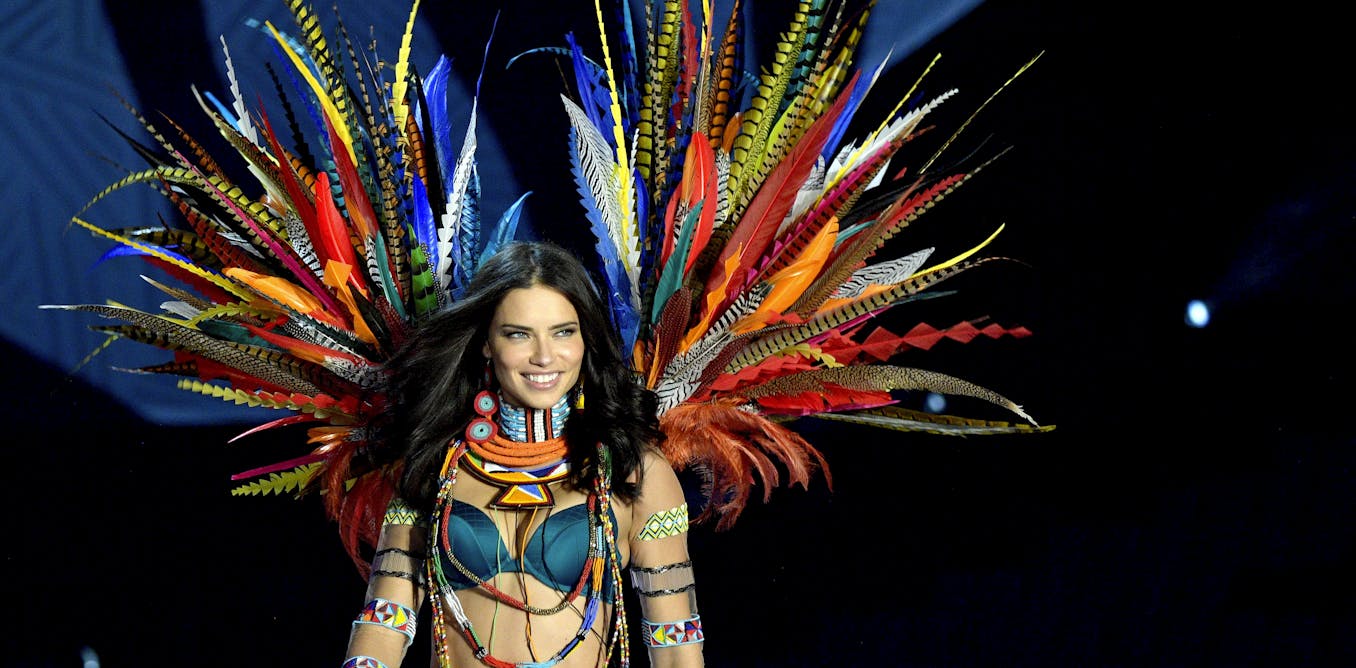
Walk into any classroom workshop or scroll through a homeware shop and you will see dot patterns, ochre tones, and U shapes printed on everything from tea towels to outdoor rugs. Some of these celebrate Aboriginal artists. Some take from them. The difference matters, both for the people whose stories are being told and for anyone making, teaching, or sharing art. This guide breaks down what cultural appreciation looks like, what crosses into cultural appropriation, the real cases that have caused harm, and how to stay on the right side of the line.
The simple definition
Cultural appreciation is investigating another culture to understand it better, in order to build a cross-cultural relationship. Cultural appropriation, as the Kluge-Ruhe Aboriginal Art Collection puts it, is when a dominant group uses an element of a marginalized group’s heritage without permission. In an Australian context that usually means a non-Indigenous person, organisation, or business taking an Aboriginal or Torres Strait Islander cultural element and using it without permission, respect, reciprocity, or payment. Ballardong Noongar artist Rohin Kickett summarises the same idea: appropriation happens when people step over the line and start adapting things from another culture for their own financial or social gain.
Why it matters: power, permission, and harm
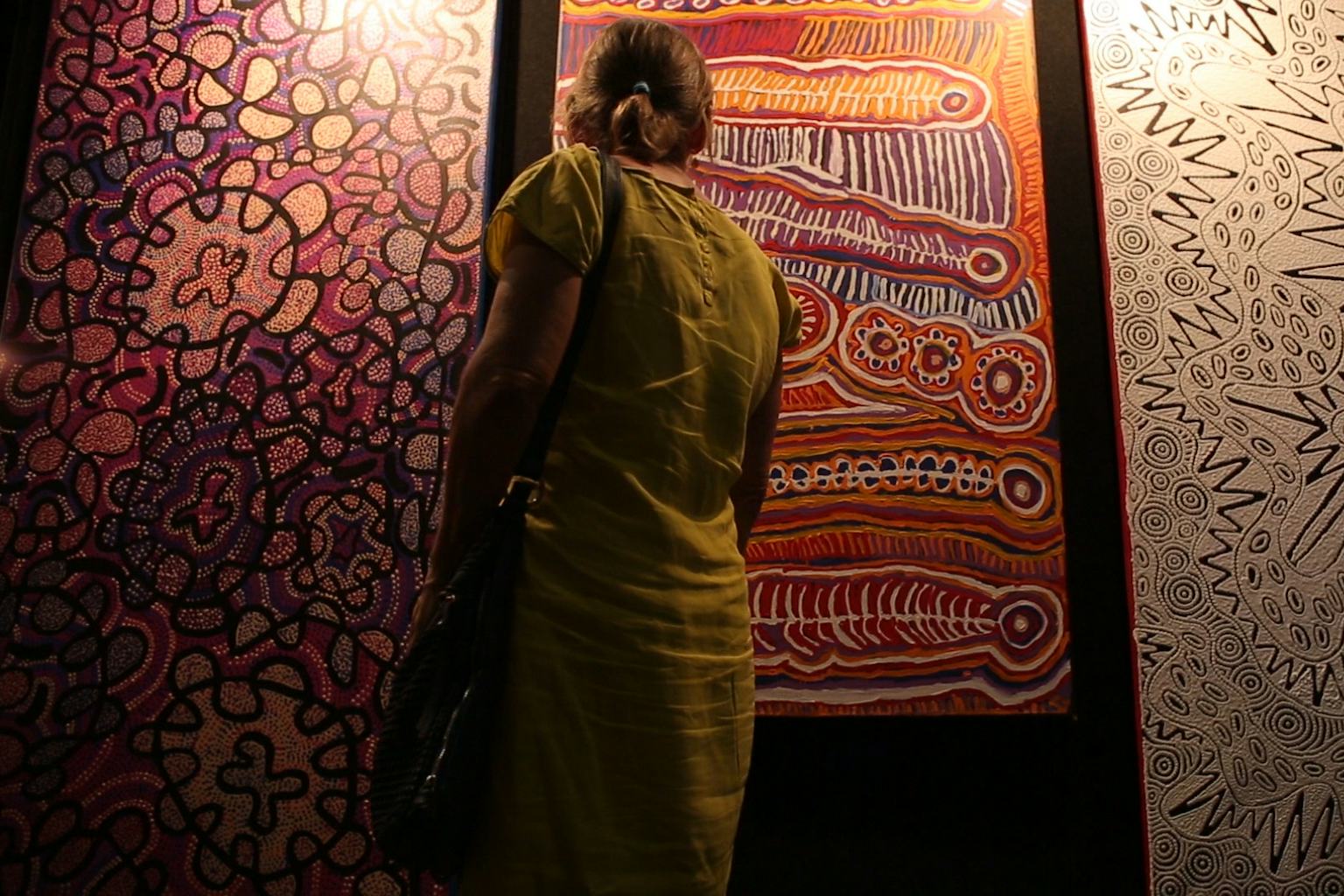
Kluge-Ruhe identifies two underlying issues whenever this question comes up: power and permission. When the British invaded Australia they enacted policies that stole land, livelihood, identity, and culture from Indigenous Australians, and that systemic power imbalance is still in place today, which is why permission is not optional. Permission from a whole community is impossible, but permission from an individual representative is sometimes achievable. Yolngu leader Djambawa Marawili AM, for example, gave Kluge-Ruhe permission to teach a painting technique to American visitors under four conditions: the artist’s presence, a learning environment, sacred symbolism explained, and no copying of patterns or symbols.
Appropriation is named as theft, sacrilege, and erasure. Theft because the dominant culture takes without permission. Sacrilege because sacred meaning is disregarded. Erasure because credit and income flow to the dominant culture while the marginalized culture loses authorship of its own work. Dunghutti educator Deborah Hoger makes the same point in the Australian context through the work of Indigenous lawyer Terri Janke: symbols carry belonging and connection to Country, and misuse devalues both the meaning and the people who carry it.
Real cases that crossed the line
The Kluge-Ruhe guide lists three cases that show how this plays out commercially. In April 2020, Urban Outfitters released an outdoor rug that clearly copied a design by Pintupi artist Mitjili Napurrula. Netflix’s series After Life prominently featured a painting that appropriated Western Desert symbolism, and members of the Papunya community publicly accused the English artist of stealing their technique and cultural iconography. Across the United States, art-class worksheets still ask children and adults to copy Western Desert symbols (concentric circles, dots, U shapes) without context, even though those symbols are often sacred and specific to particular language groups. In each case the English-speaking party held the dominant position, no permission was sought, and the artists or communities behind the original work were not credited or paid.
The grey areas: dot painting, language, and inspiration
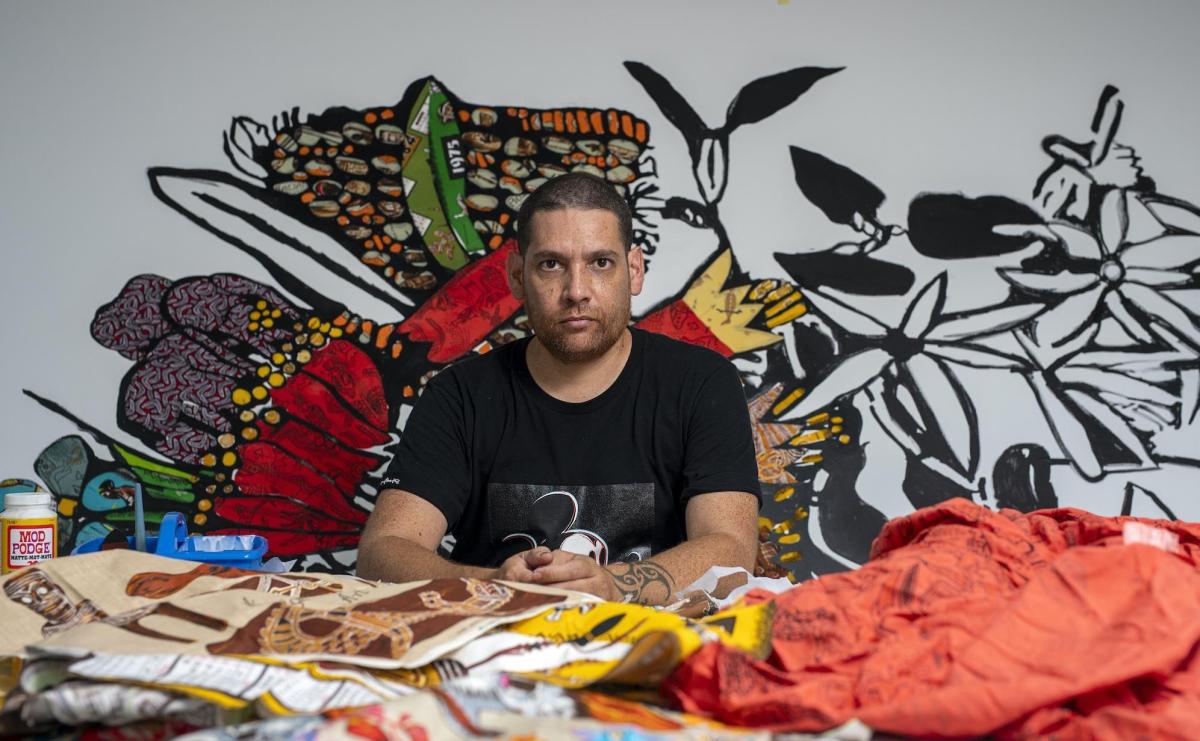
Dot painting is the clearest example. The technique is not a generic Aboriginal style at all, it originated at Papunya in the early 1970s as part of the Western Desert art movement, and many of its symbols carry sacred meaning specific to that Country. Treating it as decoration in a kindergarten craft class skips over the history and the cultural restrictions some artists place on copying men’s or women’s business. A safer classroom approach, as Deborah Hoger suggests, is to explain where the technique comes from, situate it as one Western Desert tradition rather than the whole of Aboriginal art, and then let children explore the method using their own stories. Language is another grey area. Kickett puts a Noongar word in his art and the English term in brackets because Noongar is his culture’s language, and he suggests non-Aboriginal artists do the reverse so there is no confusion about authorship.
Six questions to ask yourself
Kluge-Ruhe condenses the line-drawing into six self-tests. They are useful whether you are an artist, a teacher, or simply trying to understand a piece you encountered.
- Are you involving Indigenous people or their voices in what you are doing?
- Are you perpetuating stereotypes or challenging them?
- Are you giving credit to the artist, movement, or community?
- Have you researched what is sacred versus what is public?
- Are you copying directly, or using something as inspiration with your own story attached?
- Are you being specific (e.g. Western Desert dot painting from 1970s Papunya) or generalising it as Aboriginal art?
What appreciation looks like in practice
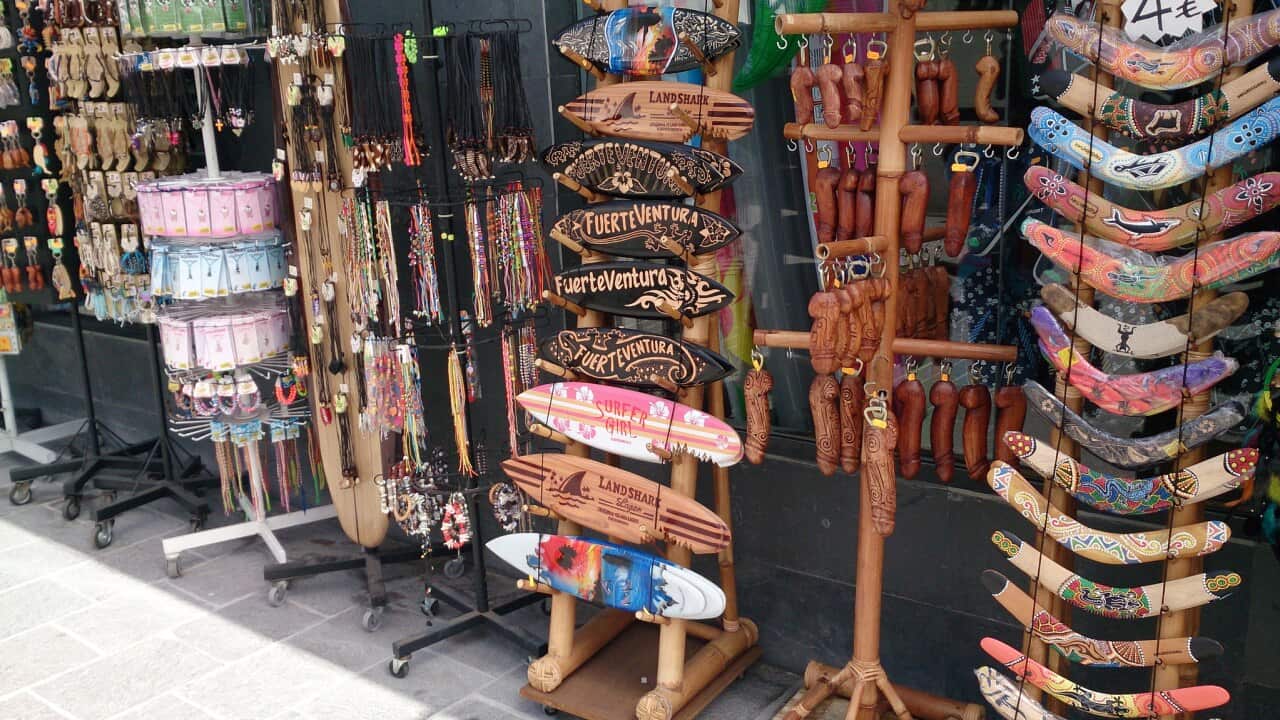
If the six questions land you on the appreciation side of the line, the Community Early Learning Australia guide and the Kluge-Ruhe materials suggest the same set of behaviours.
- Credit the artist whenever you display, teach, or share their work, in your home, your classroom, or on social media.
- Speak about technique with specificity. Call Western Desert dot painting what it is, not generic Aboriginal art.
- Treat technique as a starting point, not a copy target. Inspiration with your own story attached is fine; reproducing a specific composition or sacred symbol is not.
- When the conversation needs an Indigenous voice, bring in an Indigenous person rather than speaking on their behalf. Direct quotes, videos, or guest speakers are stronger than paraphrase.
- When you do source work commercially, look for verified Aboriginal-owned makers. Supply Nation maintains Australia’s leading database of certified Aboriginal and Torres Strait Islander businesses.
Quick Answers on the Line Between the Two
What is the difference between cultural appropriation and appreciation in art?
Appreciation investigates another culture to understand it; appropriation takes elements without permission, respect, or payment for personal or commercial gain. Wearing a t-shirt designed by an Aboriginal artist with credit and licence is appreciation; printing a copied design and selling it under a non-Indigenous name is appropriation.
Is it cultural appropriation to do Aboriginal art?
Aboriginal art is art made by an Aboriginal person, so a non-Indigenous painter using dot-painting techniques is not making Aboriginal art, only borrowing the style. Replicating Aboriginal designs or symbols without cultural understanding and a connection to the community is considered cultural appropriation.
What is the shortcut for remembering the difference?
Appreciation honours a culture. Appropriation dishonours or demeans it. If your use removes credit, payment, or context from the original community, you have crossed the line.
How do you engage with Aboriginal art ethically?
Learn the specific origin of any technique or symbol you encounter (which Country, which language group, which decade), credit the artist whenever you display or talk about their work, and when money does change hands, route it to verified Aboriginal-owned businesses rather than mass-produced imitations.