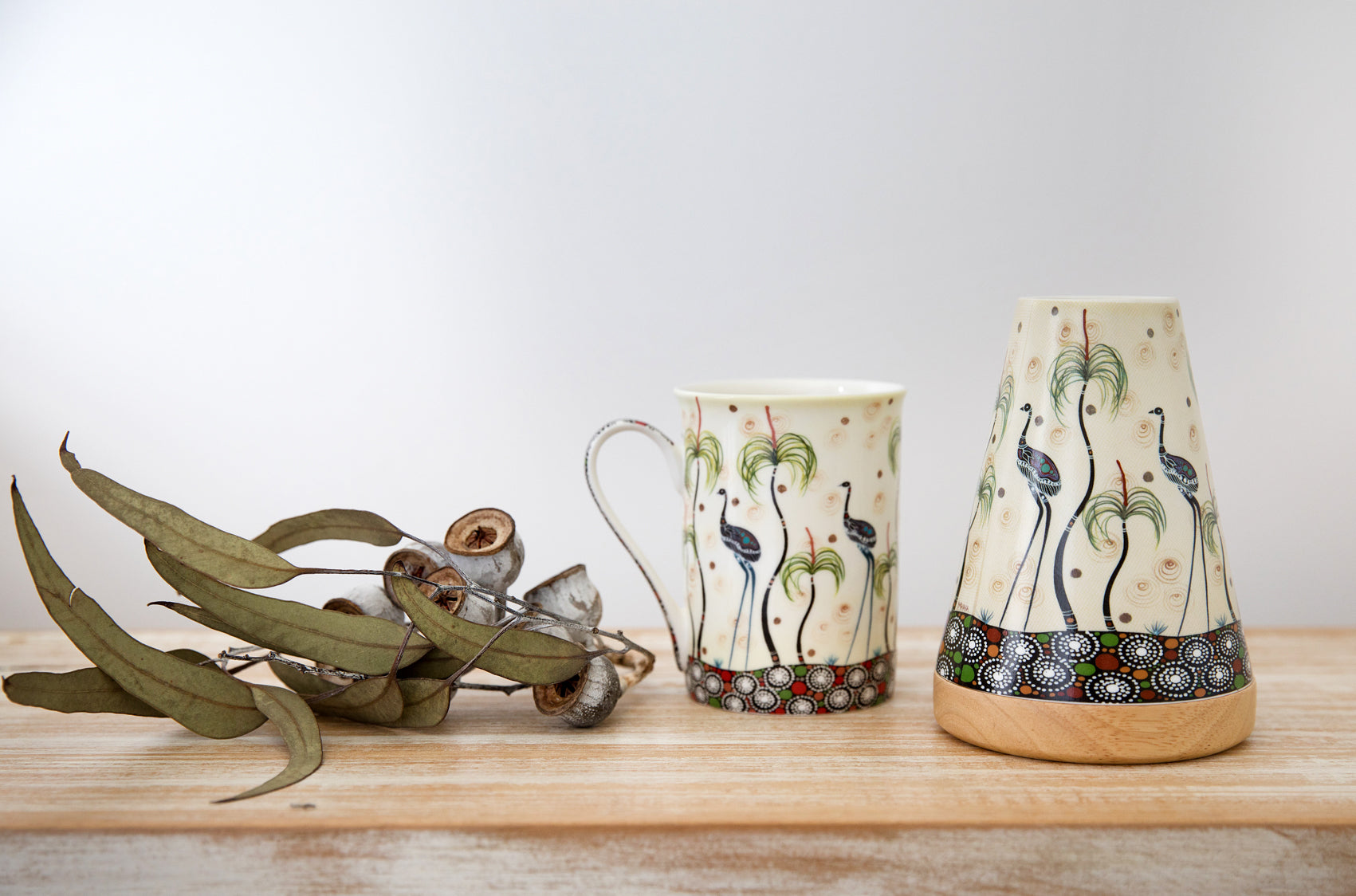
A meaningful gift from Australia can do more than fill a stocking. It can put royalties in an artist’s hands, keep an Indigenous-owned business growing, and pass a story from one country to another. The market is full of items wearing Aboriginal designs without paying the people who created them, so this guide focuses on the ones that genuinely send money and recognition back to the communities they came from.
What “Support” Really Means When You Give an Indigenous Gift
Buying something with a dot painting on the lid is not the same as supporting an Aboriginal or Torres Strait Islander community. The difference sits in the supply chain. A gift truly supports a community when the artist is named, paid a percentage of every sale, and in control of how their work appears. Melbourne homewares brand Koh Living frames this as licensing artwork directly from named First Nations artists who receive a royalty on each piece sold.
The Indigenous Art Code is the industry body that signals this commitment. Companies that join it agree to fair dealing with Indigenous artists, transparent licensing, and traceable provenance. When you see that membership badge, the business has put its name to those rules.
Indigenous-Owned Businesses That Belong on Your Shortlist
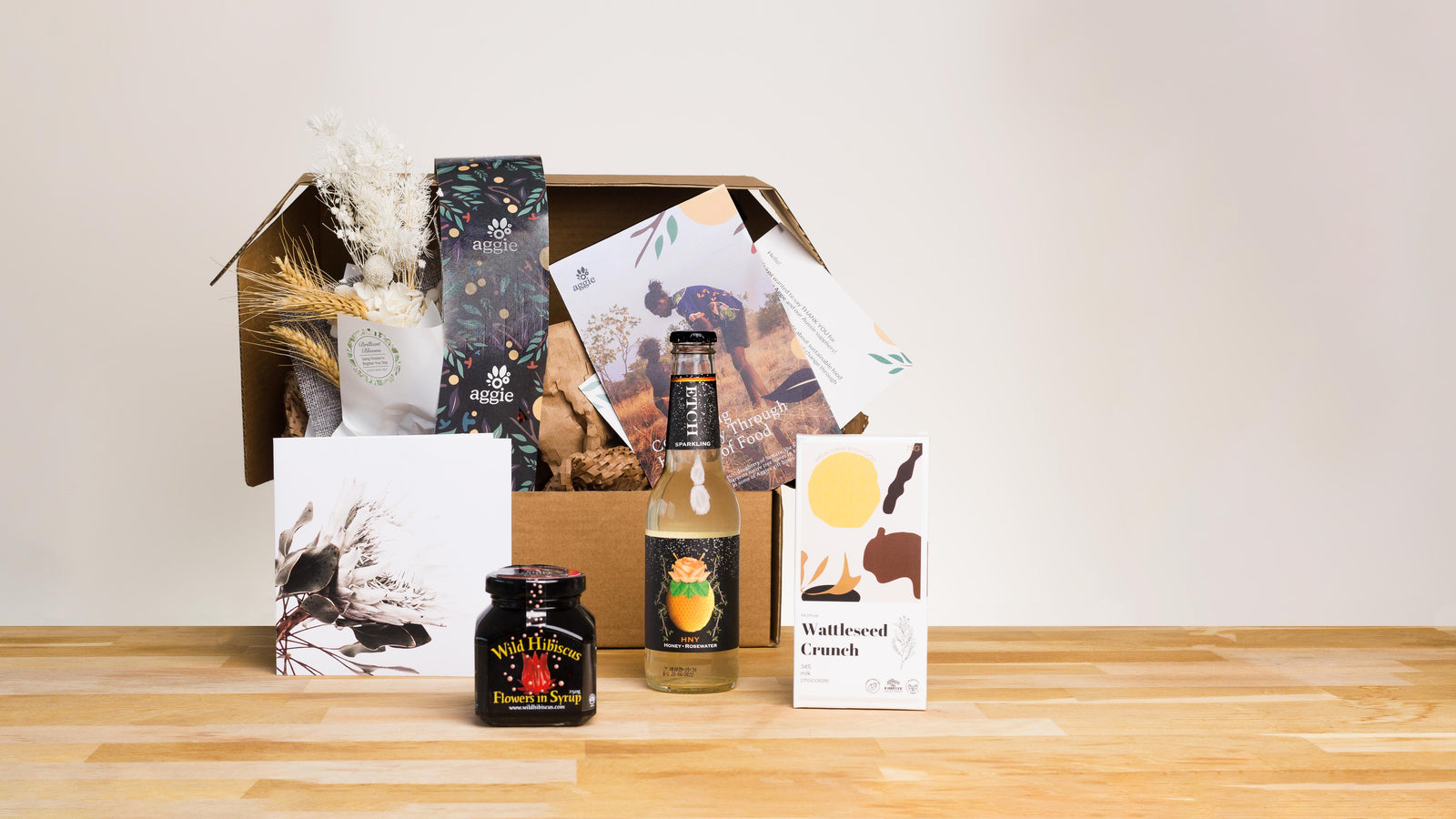
The most direct way to buy ethically is to choose a business owned and led by First Nations people. The list below pulls from Mim Jenkinson’s well-known NAIDOC Week gift roundup.
K-Rae Designs
Run by Kimberly, a Bundjalung and South Sea Islander woman based on Yuggera country in Brisbane. Stationery, prints, and lettering work that started as a stay-at-home creative outlet and grew into a full studio.
Yarli Creative
Madison is a Yorta Yorta, Dja Dja Wurrung and Gamilaroi woman whose painted prints and greeting cards lean into healing themes. Her Yindi print is a perennial favourite.
Chocolate on Purpose
A fully Indigenous-owned chocolatier that sources bush foods like Illawarra Plum, Quandong, and macadamia from First Nations communities. Their gift boxes work well for foodie relatives.
Sobah Beverages
Australia’s first Aboriginal-owned non-alcoholic craft beer brand, founded by Clinton and Lozen Schultz on Yugambeh country. Lemon Aspen, pepperberry, and finger lime flavours sit at the front of the range.
Kakadu Tiny Tots
Children’s clothing handcrafted in remote Northern Territory communities, founded by Kylie-Lee Bradford from Patonga inside Kakadu National Park. Organic onesies are the staple.
Gift Categories That Carry Cultural Story
If you would rather pick by product type than by brand, these categories tend to do the heaviest cultural lifting:
- Homewares: linen tea towels, cushion covers, napkins, and ceramic coasters carrying named designs. Yarn’s Meanjin studio prints linen in-house, while Koh Living’s Sacred Country collection covers central desert women’s stories, and our own home and living range sits in the same space.
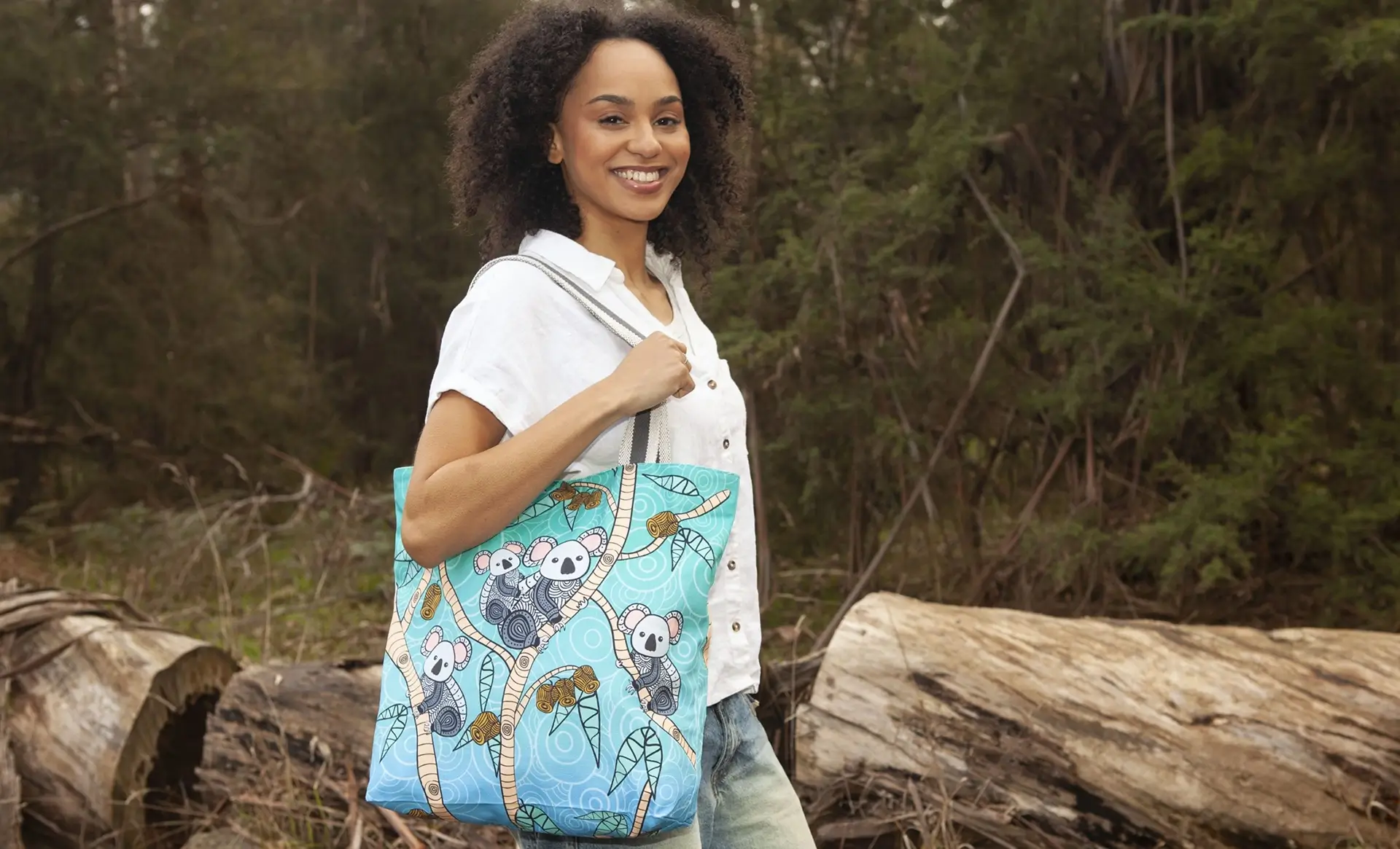
- Apparel: t-shirts, polos, and accessories with licensed Aboriginal artwork. The apparel labels that name the artist on the swing tag are the good signal here.
- Drinkware: ceramic mugs, travel mugs, stainless steel water bottles, and tumblers. Koh Living lists drink bottles among its most-given souvenirs.
- Bush food and skincare: chocolates, teas, and hair oils made with Kakadu Plum, Lilly Pilly, Lemon Myrtle, and Native Peppermint Oil. The supply chain runs back through Aboriginal sustainable farms.
- Stationery and journals: notebooks and prints from artists who run their own labels, which keeps the margin in community hands.
The point is not the category. It is the named artist sitting behind the design and the share they take from each sale.
How to Verify a Gift Is Authentic Before You Buy
Before you check out, run the gift through these quick filters:
- The artist is named on the product page or swing tag, with their language group or nation listed.
- The seller is either an Indigenous-owned business or licenses directly from named artists.
- A royalty share is mentioned, even if the percentage is not disclosed.
- The seller is a member of the Indigenous Art Code (look for the badge or a statement on the About page).
- The product page tells a story about the design, not just a generic “tribal pattern” tag.
- For homewares and apparel, “Australian made” or “designed in Australia” is stated, with a clear distinction between the two.
If a piece passes most of these, you can buy ethically with confidence. If it fails three or more, walk away.
Corporate Gifting That Gives Back
Corporate hampers are one of the biggest growth areas for First Nations gift suppliers. Koh Living and Yarn both run dedicated branded gift programs aimed at end-of-year client thank-yous, employee onboarding, and conference welcome packs. The structure mirrors retail: licensed artwork, named artists, royalties paid on every order, often packaged with a story card explaining the design.
Workplaces increasingly pair these orders with NAIDOC Week or Reconciliation Week activities so the gift becomes part of a wider commitment to corporate branding that reflects respect. The unit price is usually similar to mainstream corporate gift suites, with cultural value as the upgrade.
Why These Gifts Carry More Weight Than They Look
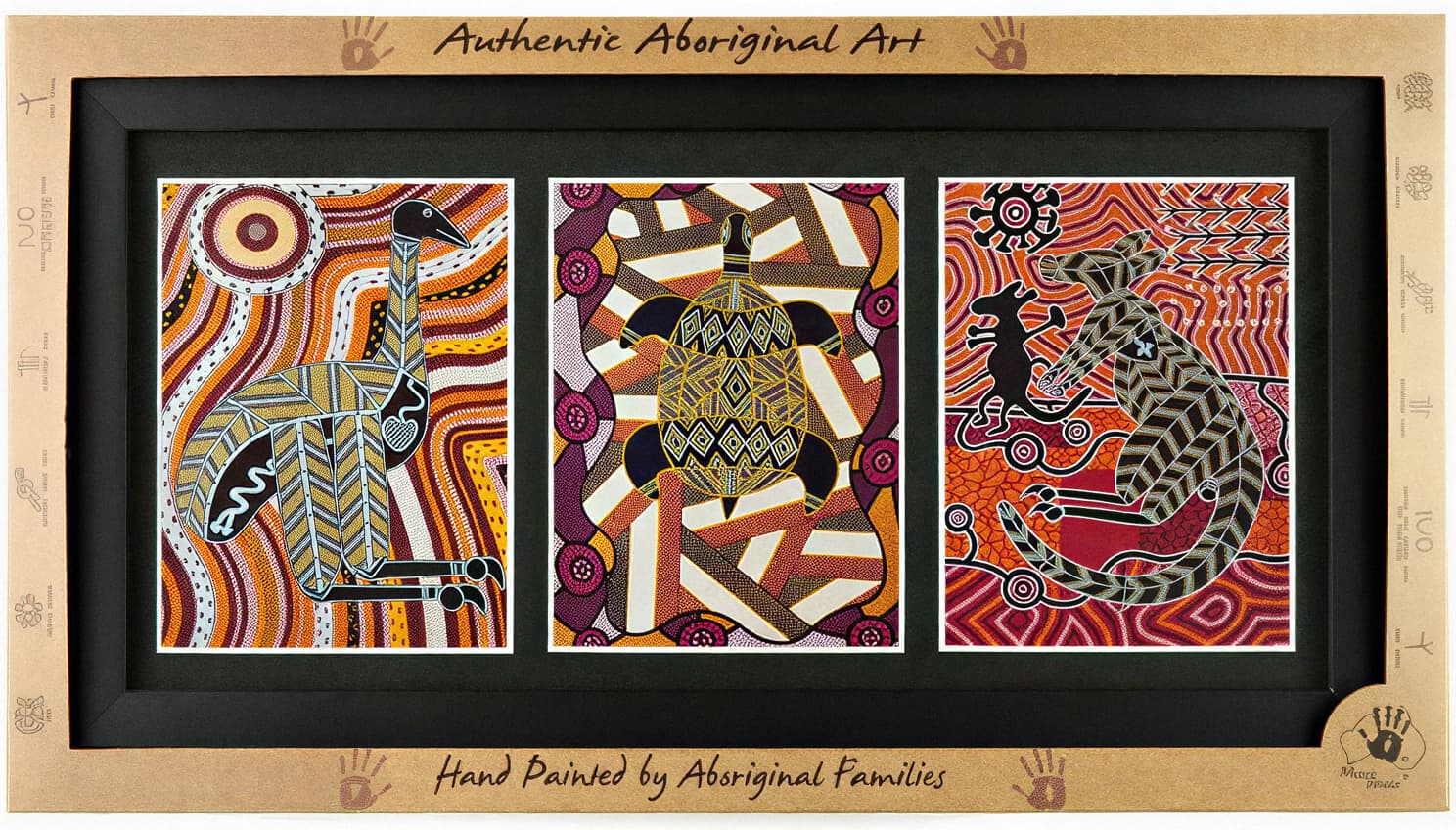
Aboriginal and Torres Strait Islander people have lived on this continent for more than 65,000 years, the oldest continuous culture on Earth. Every piece carrying a licensed design is a small thread in that story. Buying it with the artist named, paid, and credited keeps the thread going. Buying a knockoff from a roadside stall cuts it.
That is why the difference between a meaningful gift and a generic souvenir is not the price or the polish. It is whether the people behind the design get to see any of it.
Quick Answers Before You Buy
What is a unique gift from Australia?
A genuinely unique Australian gift is one tied to a place, a maker, and a story. Pieces carrying licensed First Nations artwork, bush-food chocolates, or limited-run prints from artist-led studios all beat mass-produced kangaroo keyrings on both fronts.
What is gift giving in indigenous cultures?
Across many First Nations traditions, gift giving is reciprocal. It creates and renews relationships rather than ending in a single transaction. That is part of why buying from artist-owned businesses matters. The exchange does not stop at the cash register.
What do Australian Indigenous people want shoppers to know?
Buy from Indigenous-owned businesses where possible, pay attention to whether the artist is named and credited, and avoid products with generic “Aboriginal-style” designs from sellers who cannot tell you who painted them.
What is the oldest continuous culture on Earth?
Aboriginal and Torres Strait Islander culture, with more than 65,000 years of unbroken connection to country. Gifts that route money back to that culture, through royalties and Indigenous-owned business ownership, help keep it active in the present rather than preserved in the past.