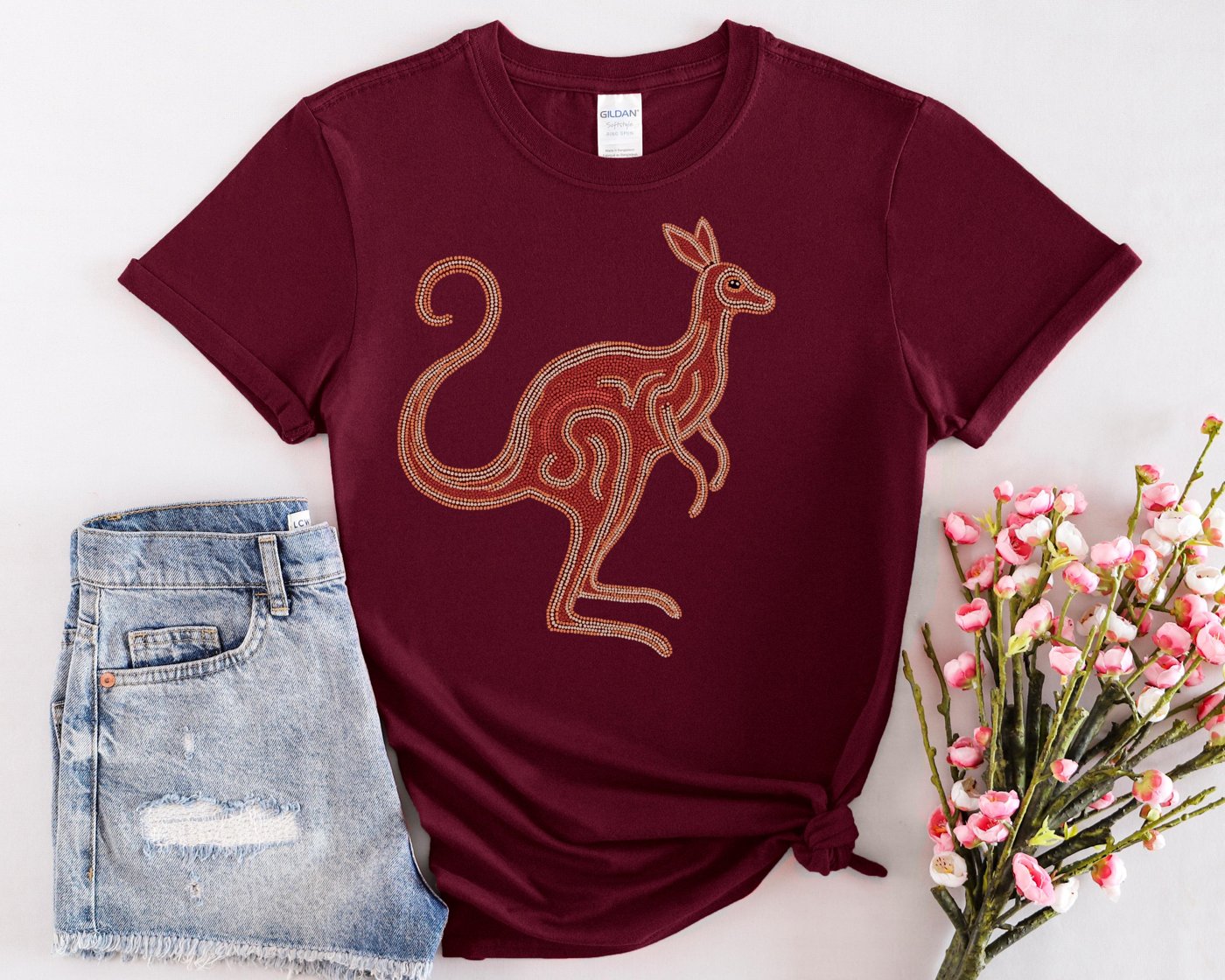
The kangaroo is everywhere in Australian life. It stands on the coat of arms, leaps across the Qantas tail and fronts countless sports logos. For most people it is a national mascot. In Aboriginal culture it carries something older and more personal, which is what gives kangaroo Aboriginal art clothing its weight. A printed kangaroo is not just a patriotic motif. It can be a totem, a food source remembered in story, and a figure that has moved through Dreaming narratives for thousands of years.
That gap between the national symbol and the cultural meaning is worth understanding before you wear one.
What a kangaroo means in Aboriginal art
In Aboriginal art the kangaroo is rarely just an animal. It appears as a totem tied to particular groups and places, and as a central character in Dreaming stories that explain how the land and its laws came to be. There is a lot to learn about how animals in Dreamtime art carry meaning, but the short version is that a kangaroo usually points to survival, provision and connection to Country rather than decoration.
A clear example sits on a well known design called Survival of the Kangaroos, where dot art hands circle a group of kangaroos in the centre. The hands and the animals together tell a story about people and kangaroos depending on each other. Many of these designs use the same visual language as traditional art symbols, so the lines, tracks and dots around the kangaroo are part of the message, not background pattern.
From skin cloaks to printed tees
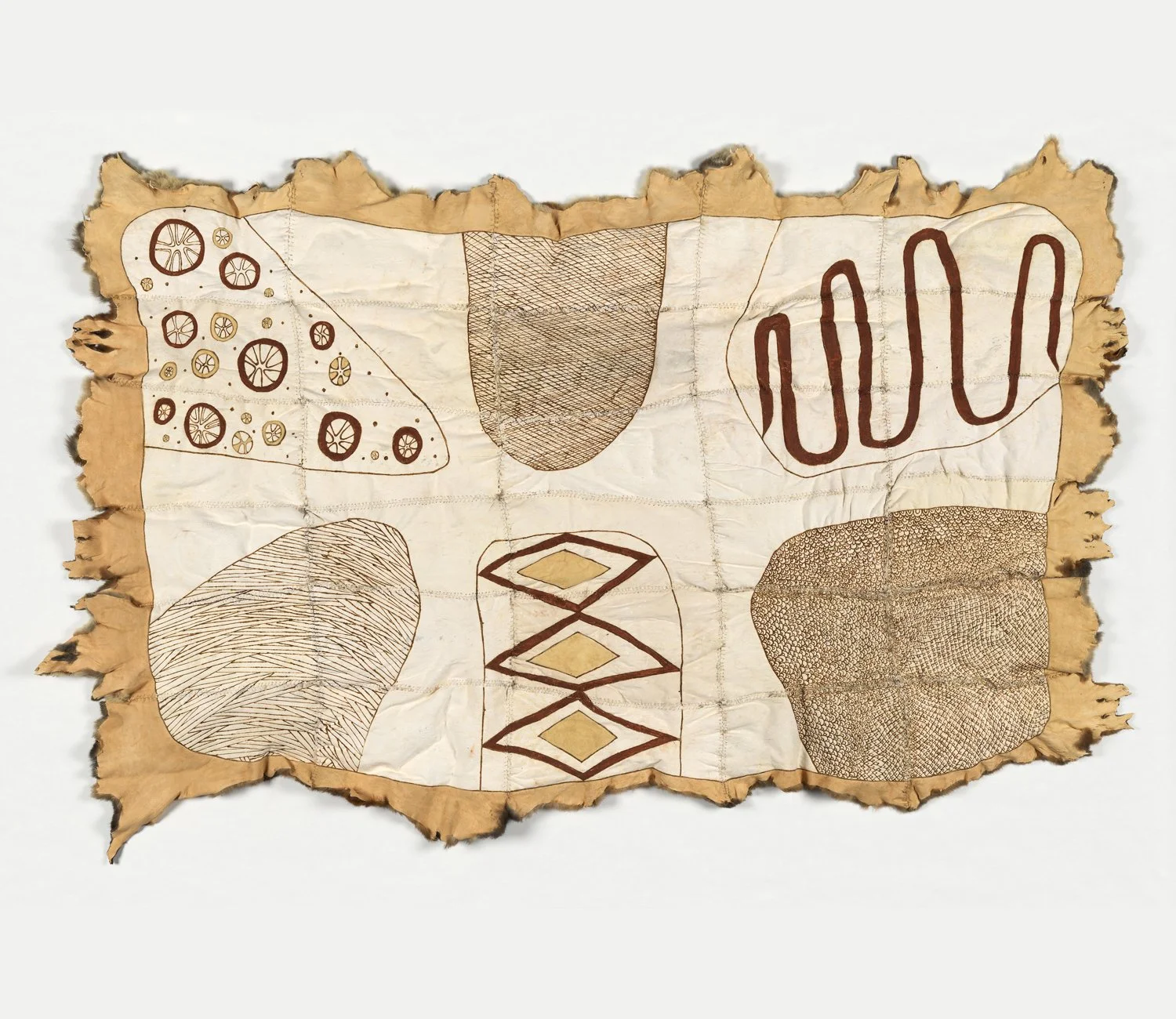
Kangaroos clothed people in Australia long before they appeared on a t-shirt. Cloaks made from animal skins, including kangaroo and possum, were worn by First Nations people in the coldest regions of the continent. In the Noongar language a kangaroo skin cloak is called a booka, and similar cloaks carry many different names across the country. These were practical garments for warmth, but they were also marked with designs that recorded identity and Country.
Seen that way, a kangaroo on a modern tee sits at the end of a very long line. The material has changed from skin to cotton, and the method has changed from incising to screen printing, yet the idea of wearing the kangaroo and its story stays the same.
Kangaroo designs you can wear today
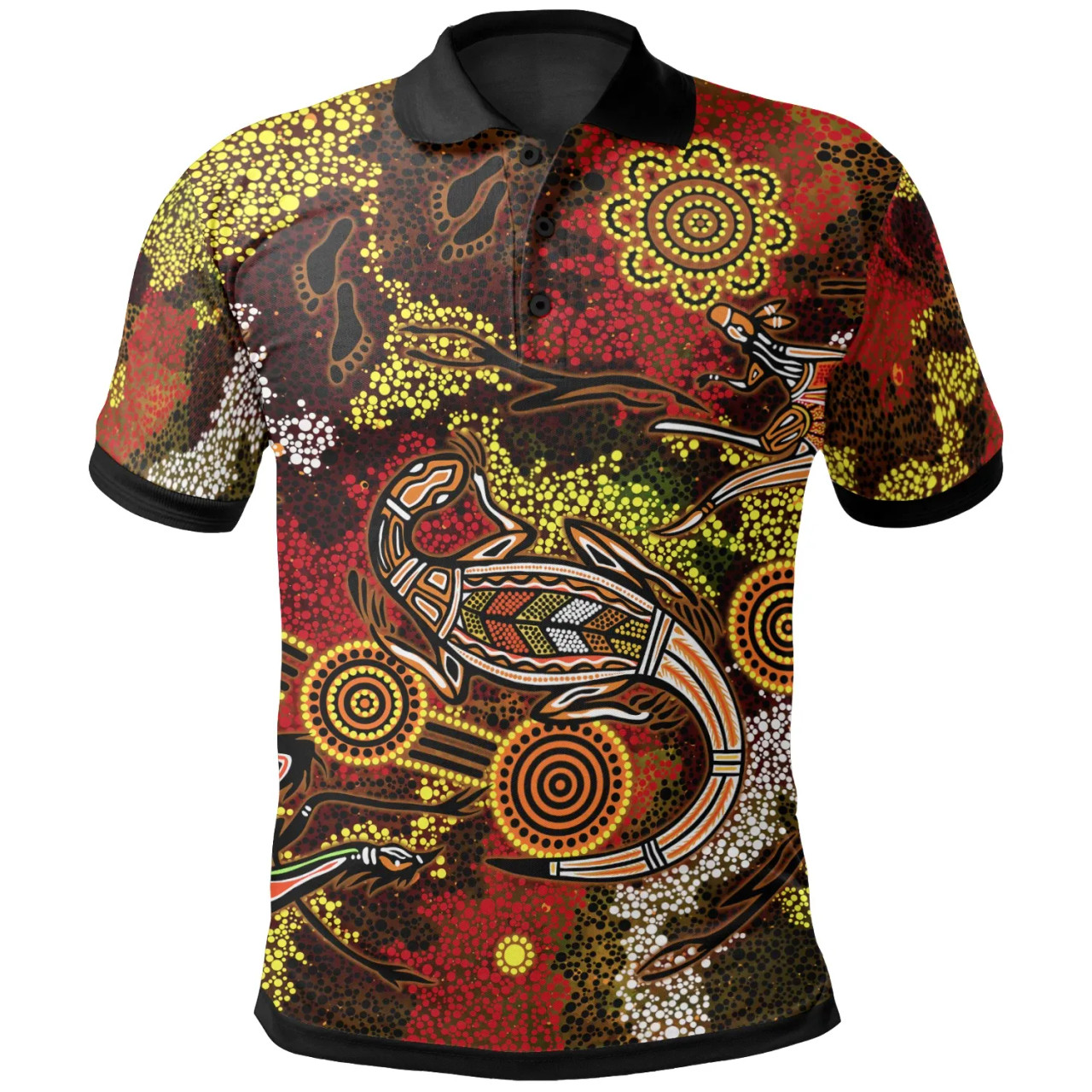
Today a single kangaroo design might run across an entire wardrobe rather than one garment. Authentic Aboriginal labels print their artwork on tees, polos, hoodies, leggings, scarves and more, so you can choose the piece that suits you and keep the same artist’s work.
| Piece | Typical fabric | Good for |
|---|---|---|
| T-shirt | 100% cotton | Everyday wear, kids and adults |
| Polo shirt | Cotton blend | Work, community events, smart casual |
| Scarf or sarong | Light woven fabric | An accent that travels with any outfit |
| Hoodie or leggings | Cotton blend | Cooler weather and active days |
A few practical notes from the labels themselves. Most tees are 100% cotton and come in a wide size range, so fit is rarely a problem. Colours and print placement can vary slightly between garments, which is normal for printed artwork. If you want to see a kangaroo design across these pieces in one place, our kangaroo collection is a good starting point.
Buying authentic kangaroo Aboriginal art clothing
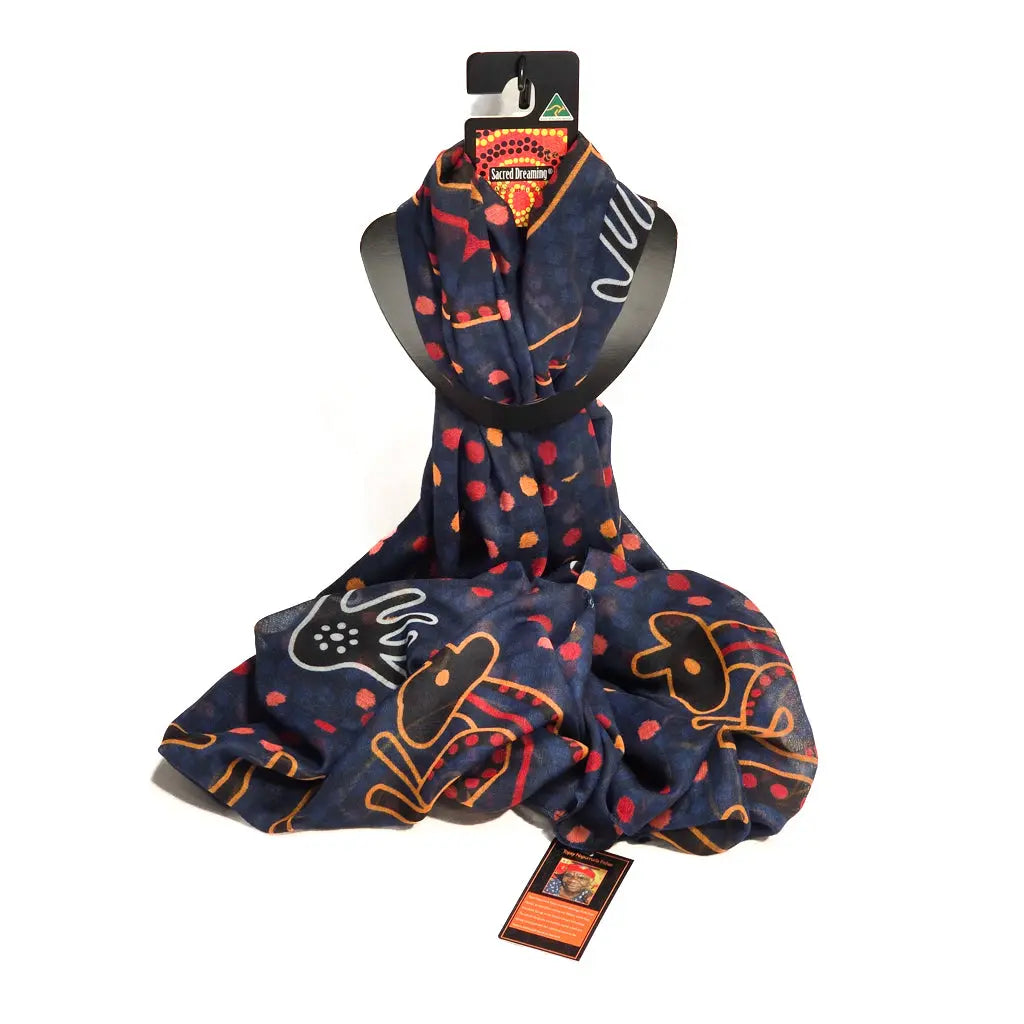
A kangaroo print only means something when the artwork is genuine. The single most important test is simple. Does the maker pay royalties to the artist on every sale? Authentic labels do, and they say so plainly. Run the same checks you would when buying indigenous shirts of any design:
- Look for the named Aboriginal artist behind the kangaroo design, not just a generic pattern.
- Check that royalties are paid to that artist on every purchase.
- Favour Australian made pieces and brands that carry recognised authenticity marks.
- Be wary of cheap kangaroo tees described as Aboriginal inspired and printed overseas, which usually means no artist is paid.
- If you are not Indigenous, take a moment to learn how to wear it respectfully and treat the design as a story rather than a costume.
Get those right and the kangaroo on your chest supports the very culture it represents.
Carrying the kangaroo with respect
Wearing a kangaroo from a genuine Aboriginal artist is a small act with a long history behind it. The animal that warms a booka, feeds a community and leaps through Dreaming stories is the same one printed on the tee you pull on in the morning. Choose the piece because you value that story and the artist who told it, and the national icon becomes something far more meaningful.
What Shoppers Often Ask
What does a kangaroo symbolize in Aboriginal art?
It usually represents survival, food and connection to Country, and it often appears as a totem or as a character in Dreaming stories. The exact meaning depends on the artist and the group the design belongs to.
What did Aboriginal people use kangaroo fur for?
Kangaroo and possum skins were made into cloaks worn for warmth in the coldest regions of Australia. In the Noongar language a kangaroo skin cloak is called a booka.
Is it okay to wear an Aboriginal art t-shirt if I am not Aboriginal?
Yes, when you buy an authentic, licensed piece that pays the artist and you wear it with respect for the story it carries rather than as a costume.
Where should I buy kangaroo Aboriginal art clothing?
Choose Aboriginal owned labels or licensed sellers that name the artist and pay royalties on every sale.