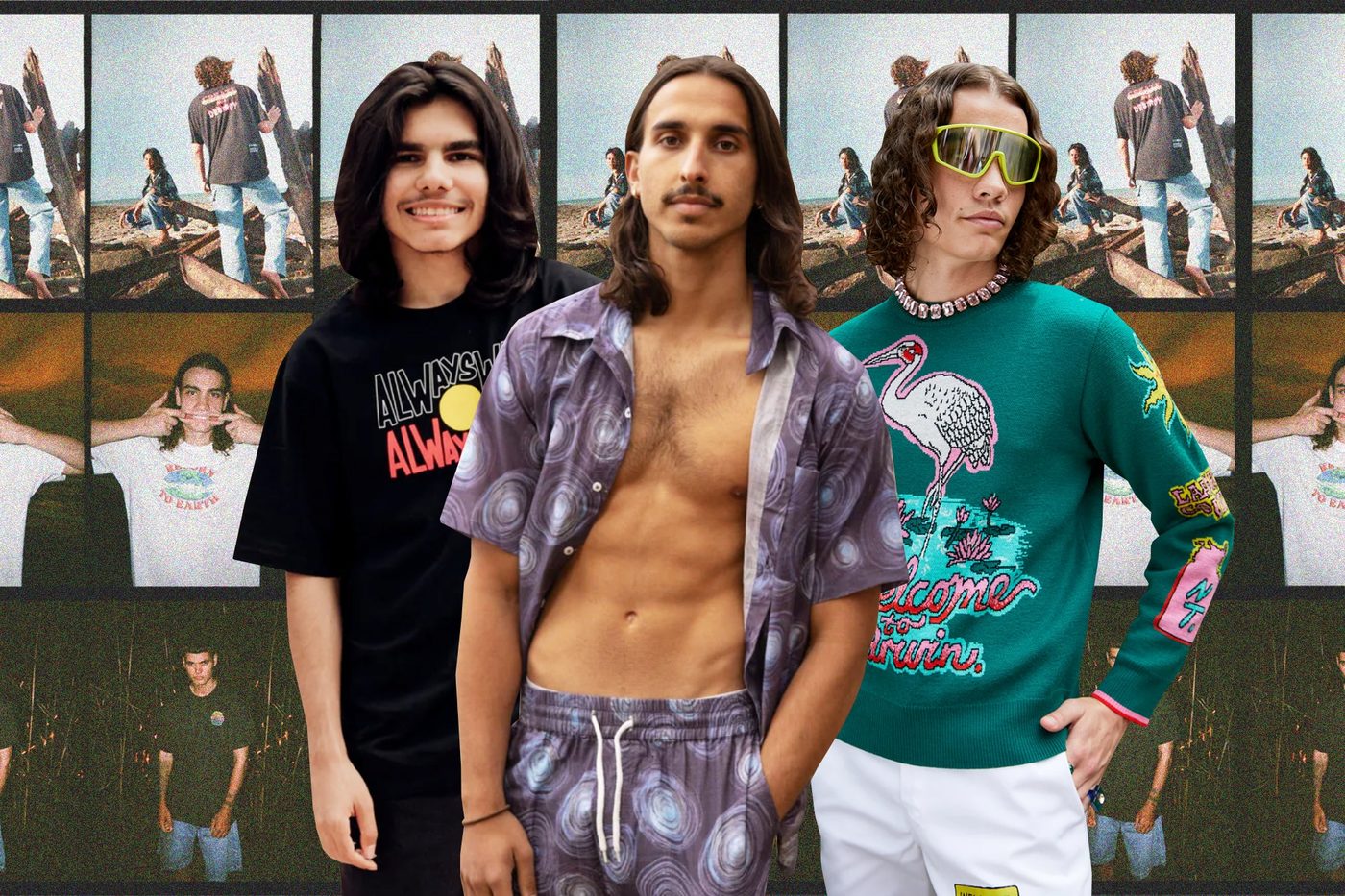
Australia’s First Nations fashion scene runs from remote art centres in the Northern Territory to streetwear labels in capital cities, and the best of it shares one habit: paying the artist, every time the design is printed. The brands below either are Aboriginal-owned outright or partner directly with Aboriginal artists under a license that pays royalties for every garment sold. If you want a piece that supports the community whose art you are wearing, start here.
What Makes an Aboriginal Art Clothing Brand Authentic
Authentic means two things in this market, and both matter. First, the design is created by an Aboriginal or Torres Strait Islander artist, with their permission, on their terms. Second, the artist is paid a royalty every time a garment carrying that design is sold, not a flat one-off fee. The labels that get this right tend to fall into three shapes: Aboriginal-owned businesses (the founder is First Nations), community enterprises run out of art centres in remote regions, and non-Indigenous brands that operate as social enterprises with formal licensing agreements. All three can be ethical. A brand that prints a “Dreamtime style” design with no named artist behind it is not.
The 10 Best Aboriginal Art Clothing Brands in Australia
1. Clothing The Gaps
A Victorian Aboriginal-owned and led social enterprise managed by health professionals, Clothing The Gaps prints merch that celebrates Aboriginal people and culture and unites non-Indigenous and Aboriginal customers around causes like Close the Gap. It became the first known Aboriginal-owned business to have its Australian manufacturing accredited by Ethical Clothing Australia, with roughly 20% of its streetwear ethically made in Australia at the time of accreditation and a workwear line in development that will be 100% Australian-made. Strong starting point if you want tees, hoodies and crews with a clear political message and clean supply chain.
2. Gammin Threads
Founded by Tahnee Edwards, a proud descendant of the Yorta Yorta, Taungurung, Boonwurrung and Mutti Mutti nations, Gammin Threads is built on typography, language and blak pride. Edwards calls it her side hustle and creative outlet, and the product line reads that way: chillwear, accessories, bold colours, cheeky humour. Good fit if your style is everyday casual and you want the message to land without shouting.
3. Koarooginal
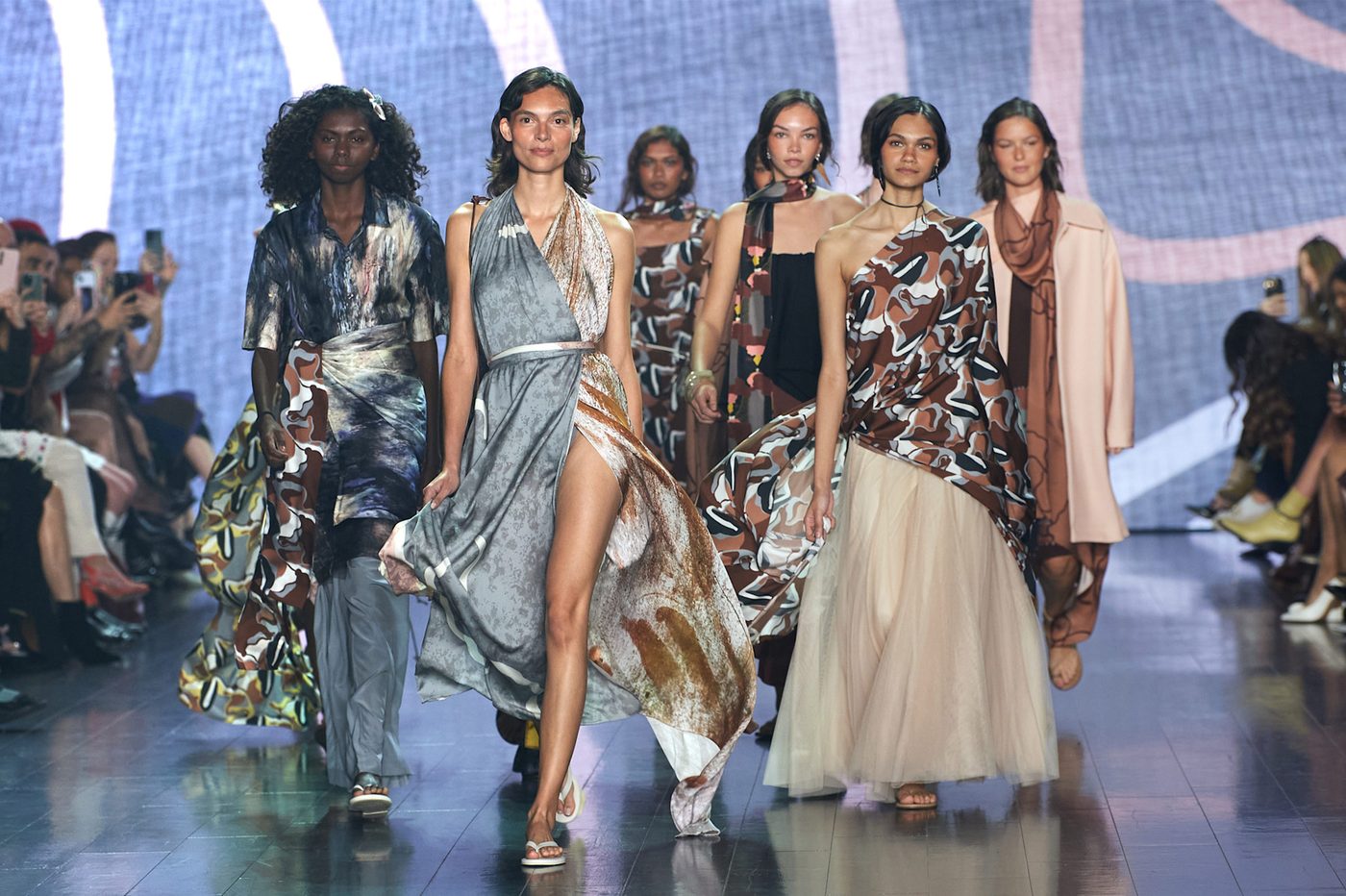
Koarooginal sits in the same lane as the Indigenous-art lifestyle labels Tourism Australia profiles, with a focus on putting authentic Aboriginal art onto shirts, polos, hats and homewares that suit daily wear and corporate use. Each design is licensed from a named First Nations artist with royalties paid on every unit sold. Worth a look if you want a range that covers both casual streetwear and giftable corporate pieces from a single Australian Indigenous source, including pieces that work for NAIDOC Week and reconciliation events.
4. Bima Wear
Bima Wear is a Tiwi women’s creative enterprise based in Wurrumiyanga (Nguiu) on Bathurst Island in the Tiwi Islands, established in 1969. The women behind the label design, screen print and manufacture their own clothing and homewares, with bright colours and bold Tiwi designs that reference traditional symbols, structures, family and environment. One of the oldest continuously operating Aboriginal fashion enterprises in the country, and a good pick if you want a piece with a long community story behind it.
5. Magpie Goose
Magpie Goose is a profit-for-purpose social enterprise that collaborates with Indigenous artists in remote communities to screen-print colourful A-line skirts, dresses, shorts and tops. Past and current collections feature work by Ikuntji Artists near Alice Springs, the Minyerri community near Darwin and Hope Vale near Cairns, and garments are made in Australia by Sphinx, which is accredited by Ethical Clothing Australia. Not Aboriginal-owned outright, but the partnership and licensing model is among the more transparent in the category.
6. Ginny’s Girl Gang
A Gomaroi and Gamilaraay artist from Brisbane, Ginny named her label after her three nieces and uses it to put political messages directly onto hoodies, totes and custom jackets, from “Existing on stolen land” to “No pride in Genocide”. The catalogue is small and the tone is unmistakable, which is the appeal: this is fashion as protest.
7. Bábbarra Designs
Bábbarra Designs is the textile arm of the Bábbarra Women’s Centre in the Northern Territory. The centre runs as a safe place for women and children in the community while training them in screen-printing and sewing, and the womenswear range coming out of it features unique designs drawn from the artists’ own community stories. Hand-printed fabric, an all-women sewing team, pieces that carry direct provenance back to a named artist.
8. Red Ridge the Label
A Queensland brand operating as an initiative of Red Ridge Interior Queensland, a not-for-profit working on the social and economic development of Aboriginal communities across remote western Queensland. The Diamantina debut collection highlighted artwork from Wangkanguru and Yarluyandi women Aulpunda “Jean” Barr-Crombie and Anpanuwa “Joyce” Crombie of Birdsville. Good option for women’s clothing and accessories that route profit back into one of the most remote parts of the country.
9. Haus of Dizzy
Kristy Dickenson’s jewellery label trades on a line she repeats often: life is too short to wear boring jewellery. Translation: bright, oversized, political earrings. Slogans like “Stop Violence Against Women”, “Self Love Club” and “Stronger than you know” turn each piece into a conversation. Strictly an accessories label, but the right finisher for any Aboriginal art outfit.
10. House of Darwin
A social enterprise and for-profit clothing company that reinvests profits into social programs in remote Indigenous communities across the Northern Territory. The catalogue leans streetwear: shirts, jumpers, accessories, plus regular designer and artist collabs. Pitch is “the old and the new Australia in the same wardrobe”, which fits the product, and it works as a gift category for friends who already live in graphic tees.
How to Spot an Authentic Aboriginal-Owned Brand
A few signals are reliable. The brand names the artist behind each design and tells you their nation or community. It says explicitly whether it is Aboriginal-owned or a non-Indigenous social enterprise partnering with artists, and it tells you how the artists are paid (royalty per unit is the gold standard, not a flat fee). It usually carries one or more independent accreditations, like Ethical Clothing Australia for manufacturing or B Corp for overall practice. It is comfortable answering questions about provenance over email. Brands that hide all of this behind vague “inspired by Indigenous culture” copy are not worth the spend, and that vagueness is the same warning sign you should apply when you buy and display Aboriginal art of any kind.
Wearing Aboriginal Art With Care
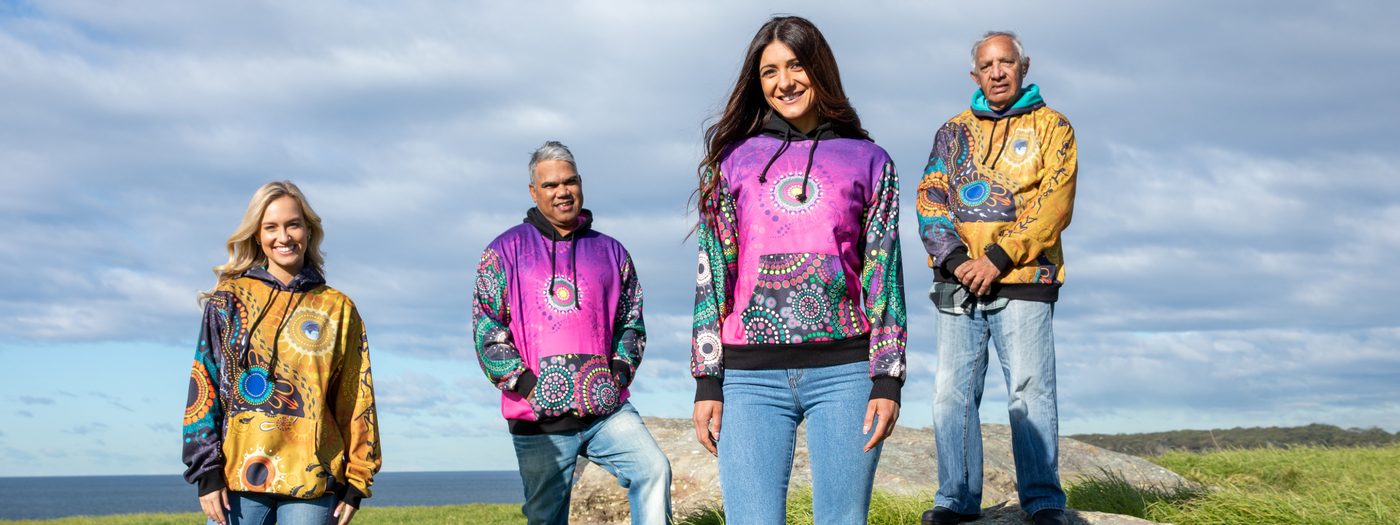
Buying from a legitimate brand is half the equation. Wearing the piece with awareness is the other half: knowing which design comes from which artist, understanding that some symbols and stories belong to specific nations, and skipping anything that looks generic or unattributed. Most labels above publish artist bios alongside each design, which makes the conversation easy when someone asks about the print on your shirt. A short read on how to wear Indigenous art respectfully covers the etiquette in more detail, and if you want broader context, the rise of wearable Aboriginal art over the last decade explains why this market exists at the scale it does today.
Quick Answers Before You Shop
Is it okay to wear an Aboriginal art t-shirt if I am not Aboriginal?
Yes, when the design comes from a brand that licenses the work from a named Aboriginal or Torres Strait Islander artist and pays royalties. Wearing and supporting Indigenous designs is encouraged across the labels above. The issue is fake or unattributed product, not the act of wearing.
Who is the most famous Indigenous Australian fashion designer?
There is no single answer, but Tahnee Edwards (Gammin Threads), Bec Barlow (Deadly Denim) and Melissa Greenwood (Miimi & Jiinda) are among the names most often cited in Australian fashion media. Each leads an Aboriginal-owned label with a distinct aesthetic.
Is Magpie Goose Aboriginal-owned?
No. Magpie Goose was founded by Maggie McGowan and Laura Egan, who are not Aboriginal, but the brand operates as a social enterprise that partners with Aboriginal artists at Ikuntji Artists, Minyerri and Hope Vale, with licensed designs and ECA-accredited manufacturing.
How do I check that a brand is genuinely Aboriginal-owned?
Look for explicit ownership statements, named artists per design, royalty disclosures, and accreditations like Ethical Clothing Australia or B Corp. Verified Indigenous-owned suppliers are also listed in Supply Nation directories.
Where can I see these brands in person?
Several stockists carry multiple labels at once. Open House West End in Brisbane, Lulu & Daw in Darwin and Yardsale Trading Co in Newcastle are commonly mentioned across the editorial coverage, and most of the brands above ship directly from their own sites.