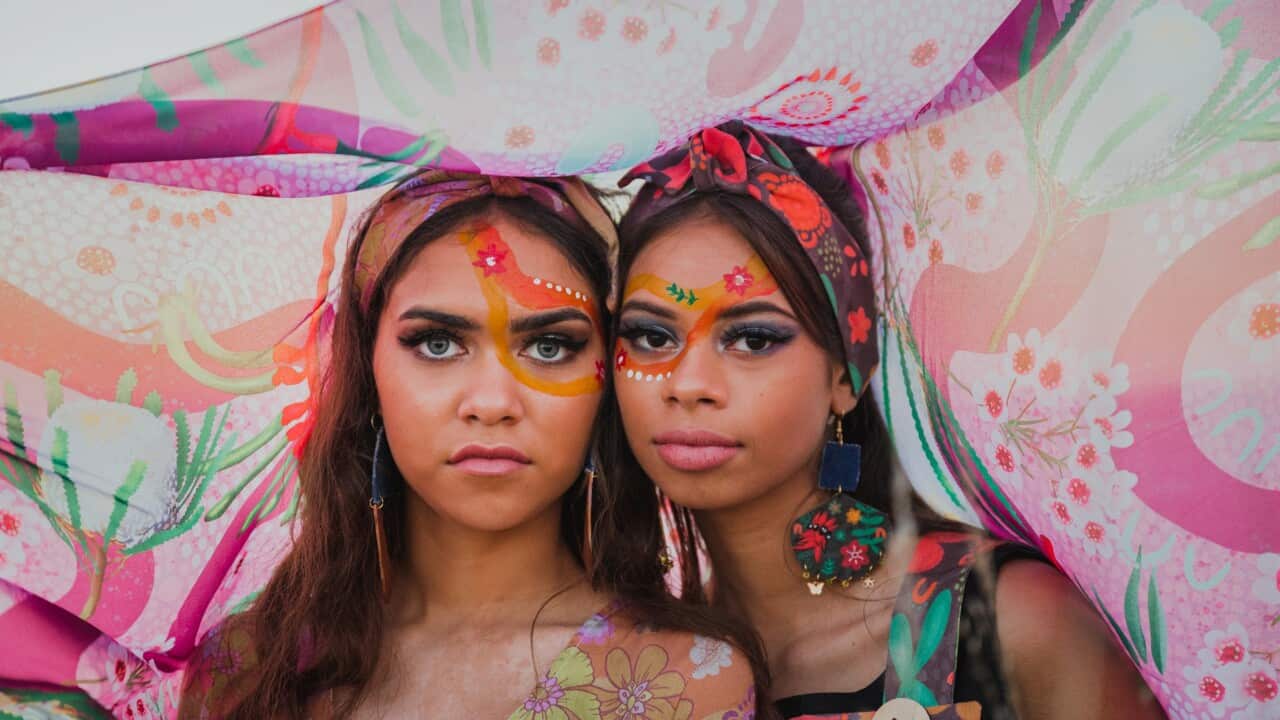
Walking into a market or scrolling an Aboriginal-owned label, plenty of non-Indigenous Australians stop short of buying. The question hovering over the basket is Am I allowed to wear this? The honest answer depends on who made the piece, what it says, and how you carry yourself in it. First Nations designers, business owners, and Knowledge Holders have answered this question publicly, and the recurring message is yes, with respect.
The short answer is yes, with conditions
Most Aboriginal and Torres Strait Islander designers create pieces for everybody to wear and celebrate. Clothing the Gaps, a majority Aboriginal-owned label, puts it plainly: their clothing works to unite people through fashion and cause, and customers are invited to wear anything they are comfortable wearing. Indigenous people make up only 3 percent of the Australian population, so ally support is essential for First Nations businesses to survive. Buying from a mob-owned brand and wearing the piece in public is a practical way to back the community. The line you do not want to cross is wearing items designed for mob only, or wearing something whose meaning you cannot explain.
What First Nations Knowledge Holders actually say
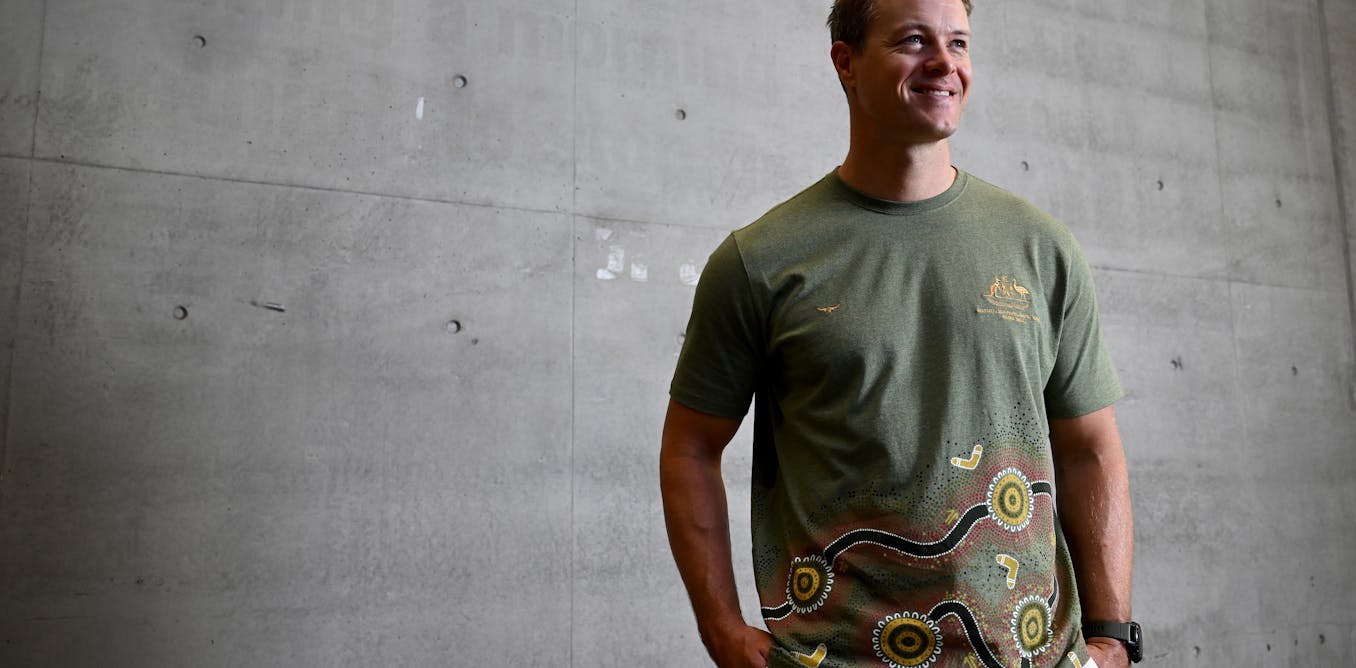
Treena Clark, a Kokatha and Wirangu researcher at UTS, interviewed twenty First Nations Knowledge Holders across Adelaide, Melbourne, and Sydney about ally wear. Most described it as generally harmless, and better than racism. Some loved seeing it as solidarity. Others saw it as a way for non-Indigenous people to support First Nations businesses and celebrate culture.
Laura Thompson, the Gunditjmara co-founder of Clothing the Gaps, compares walking into a room and seeing someone wearing an Aboriginal flag pin to seeing a flag on a wall. As she puts it, it does not mean she can completely trust that person, but she feels safer with them. A few Knowledge Holders pushed back on hollow displays, especially when wearing the design is not paired with broader support for First Nations rights, self-determination, and sovereignty.
How to tell mob-only from ally-friendly
Reputable First Nations labels make this easy. Clothing the Gaps marks every item with one of two tags: ally friendly, meaning everyone can wear it, or mob only, meaning Aboriginal and Torres Strait Islander people only. Welcome to Country goes further and says every piece on its store is appropriate for all Indigenous and non-Indigenous people to buy, wear, and love. If the labelling is not obvious, message the brand and ask. The category to avoid is mass-market dot-painted prints from anonymous overseas sellers, since that supply chain is where the cultural-theft cases sit, not the labels collaborating directly with First Nations artists.
Buy and wear with respect
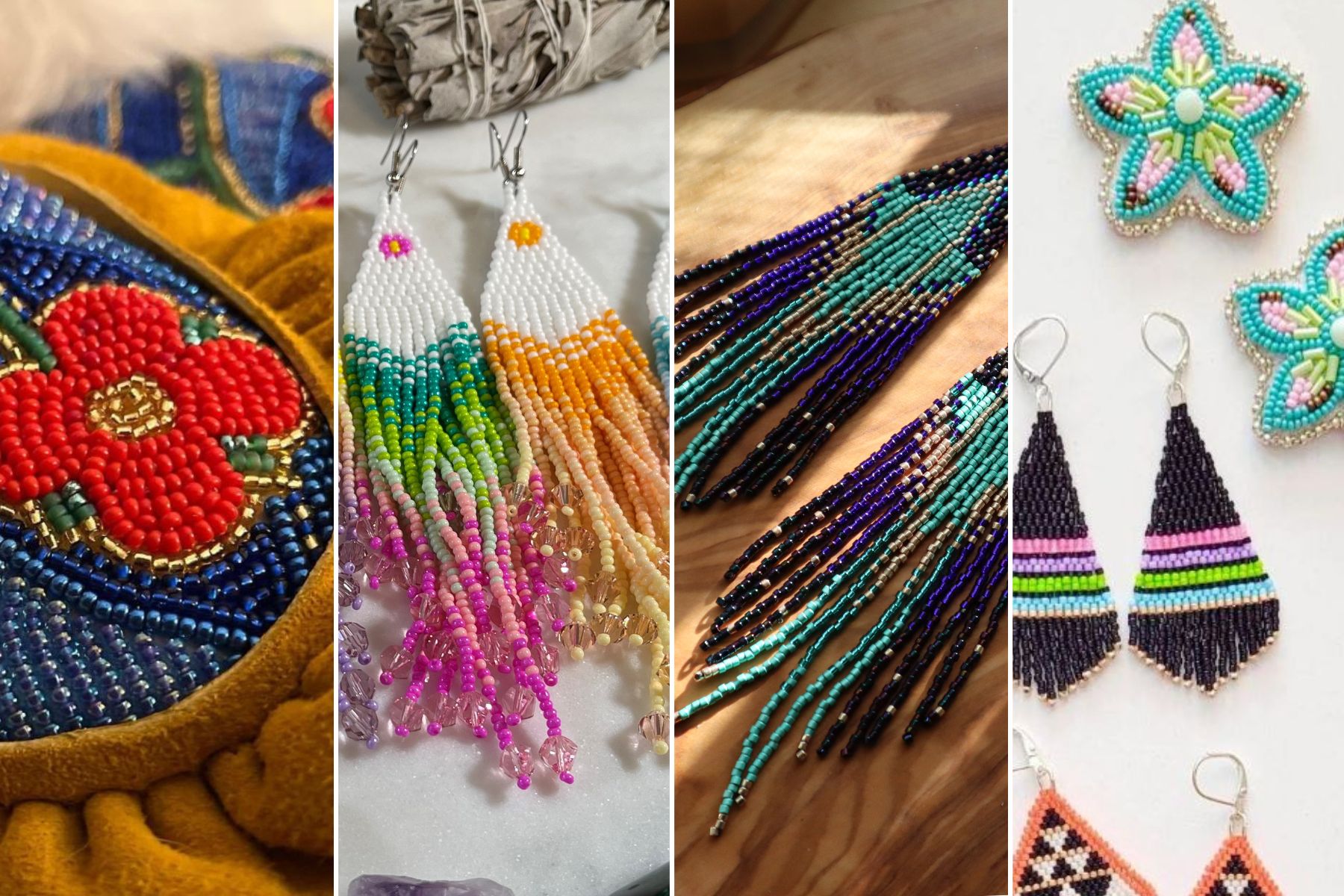
The sourcing side, who makes a piece, how to spot a knockoff, what verified Aboriginal-owned brands look like, is covered in detail in our buyer guide on how to wear Indigenous art respectfully. The ally-wear principles, drawn from the Knowledge Holders Clark spoke with and the designers Welcome to Country interviewed, are shorter:
- Be able to talk about the piece. Laura Thompson puts it bluntly: if you do not get the lingo or the language on the tee, should you be wearing it on your tee?
- Where possible, buy from Traditional Owners of the Country you live on.
- Recognise the privilege of taking the shirt off at the end of the day. Mob lives the underlying issues full time.
Where ally wear becomes appropriation
Wearing a piece you bought ethically from a First Nations artist is appreciation. Copying a dot-painting style and selling it under a non-Indigenous name is appropriation. Knowledge Holders Clark interviewed flagged a third category called blakwashing, where an organisation wears Indigenous designs to look supportive without changing how it actually treats First Nations people. Forced displays at corporate or sporting events came up as examples where the wearer is seen as following a brief, not personal conviction. The fix is straightforward: pair the piece with action. Learn the story, share the story, support the broader cause beyond the checkout.
Quick Answers Before You Wear
Is it okay to wear Aboriginal clothing?
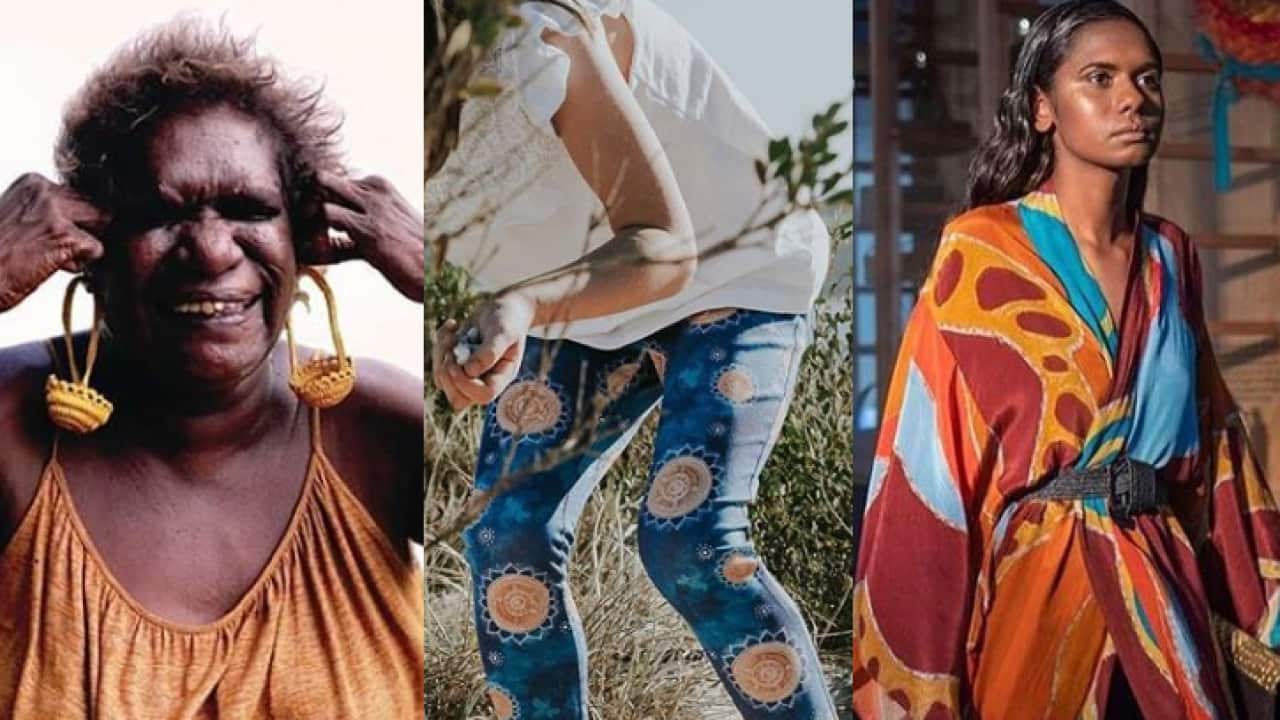
Yes, in almost every case. Aboriginal-owned brands like Clothing the Gaps, Welcome to Country, and House of Darwin design most of their range for everyone. The exception is items explicitly tagged for mob only, which the brand will label clearly in the product title and description.
Is it okay to use Aboriginal symbols?
Replicating Aboriginal symbols without cultural understanding or community connection is considered appropriation. If you want to wear a symbol, buy a piece from an Aboriginal artist who has the cultural authority to draw it. That keeps the symbol where it belongs and supports the artist who carries the story.