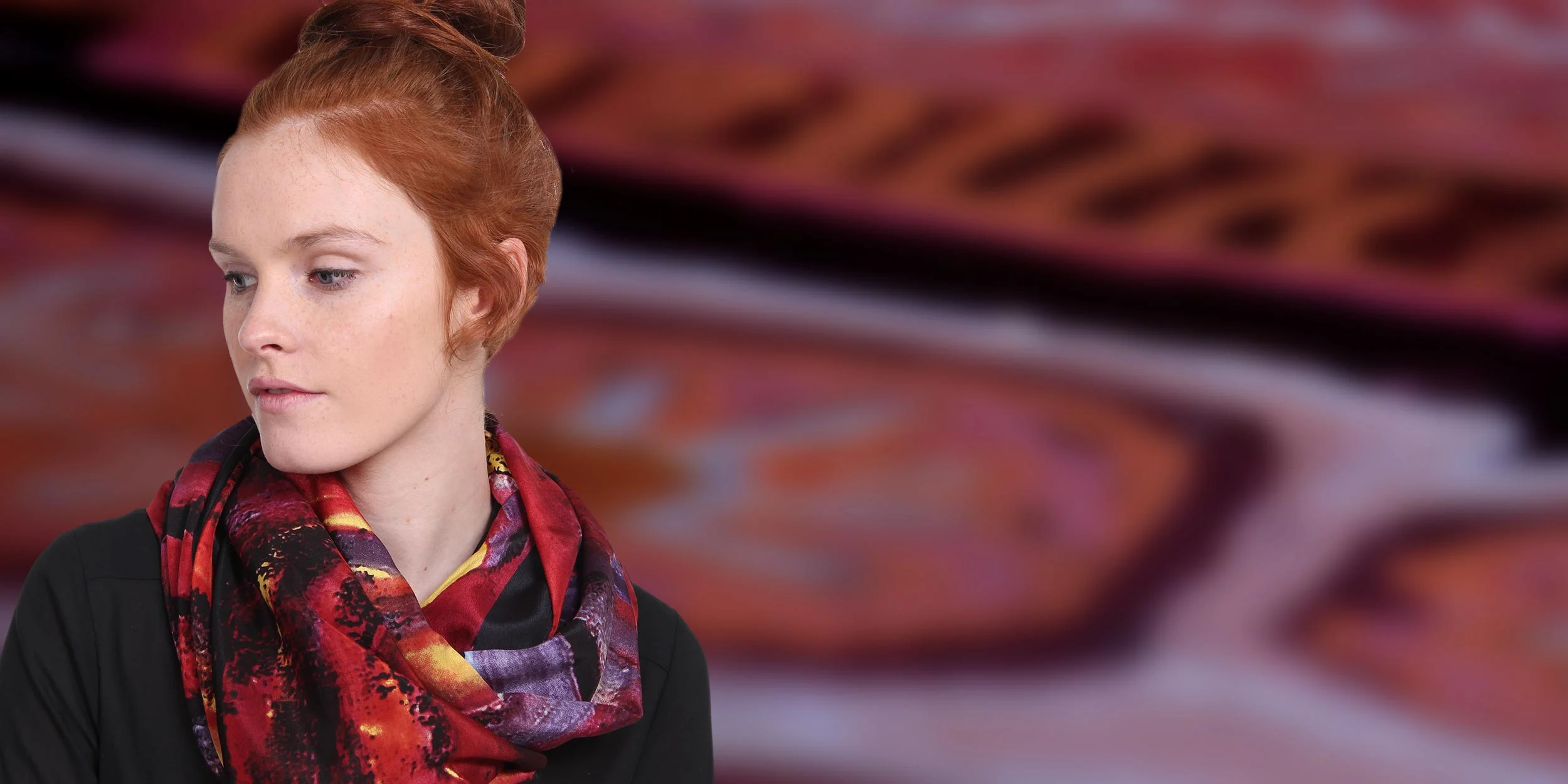
Wearable Aboriginal art has moved from ceremonial body markings and remote-community batik onto polo shirts, silk scarves, and award-winning runway pieces. What started as fabric workshops in the Northern Territory in the 1980s now drives the National Indigenous Fashion Awards, a slow-fashion movement, and a growing global audience for First Nations design.
Why Aboriginal Wearable Art Is on the Rise
The shift is not new. Aboriginal and Torres Strait Islander people have made textiles, wearable art and fashion for over 60,000 years. According to Nina Fitzgerald, Creative Director of the National Indigenous Fashion Awards (NIFA), “Indigenous excellence in this space has been growing for many years. Arguably it has been there forever.”
What is new is the mainstream platform. The first NIFA edition, held in August 2020, made the rise visible at scale. The award put First Nations textile designers and wearable artists alongside the mainstream Australian fashion calendar, signalling that the industry was ready to listen. The growth has been steady ever since, and it sits inside a broader shift in how Aboriginal design is reshaping Australian fashion as a whole.
From Body Art to Batik: The 1980s and 90s Origins
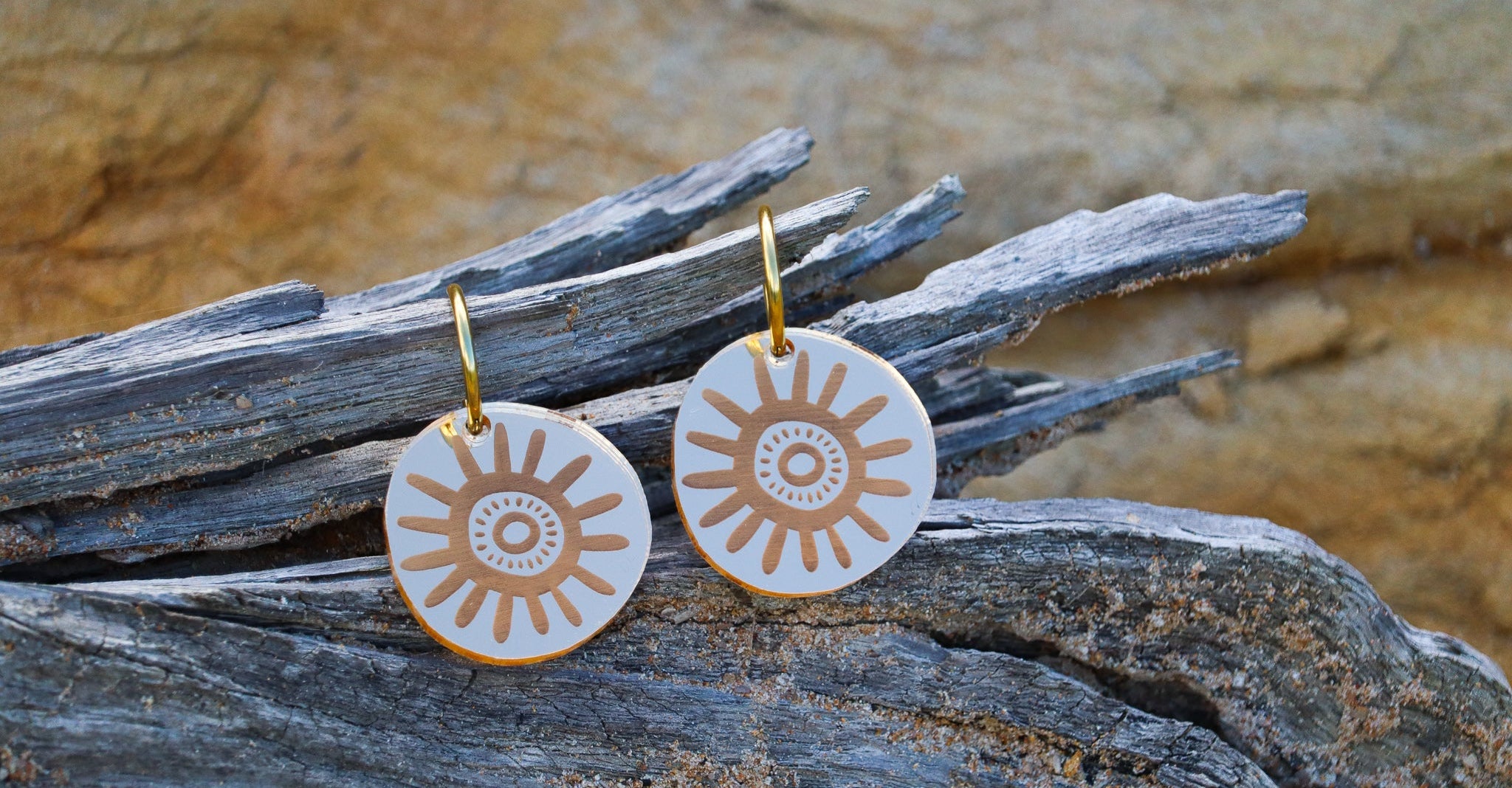
The current wave traces back to a string of training programs in the 1980s. Aboriginal organisations such as Desart in Alice Springs began licensing Aboriginal textile designs into the mainstream wearable art market. Notable teachers and coordinators including Linda Jackson, Eileen Farrelley, Ray Young and Kathy Barnes ran adult education classes that built a core of Aboriginal textile-based wearables.
By 1996, Penny Watson from the Batchelor Institute of Indigenous Tertiary Education was running workshops in hand painting and silk printing using fibre-resist dyes. By the close of the 20th century, screen-printing, batik, hand-printing and hand-painting were practiced in Aboriginal art and craft centres across the Northern Territory and the northern edge of South Australia.
The output translated traditional art markings, previously reserved for body, sand and ceremony, onto everyday garments. Ernabella Trading Company produced screen-printed cotton shirts. Bush Couture in Sydney, designed by Linda Jackson, brought batik on silk and cotton from artists like Emily Kam Kngwarray and Gloria Ngal onto skirts, T-shirts, and trousers.
Designers Driving the Modern Movement
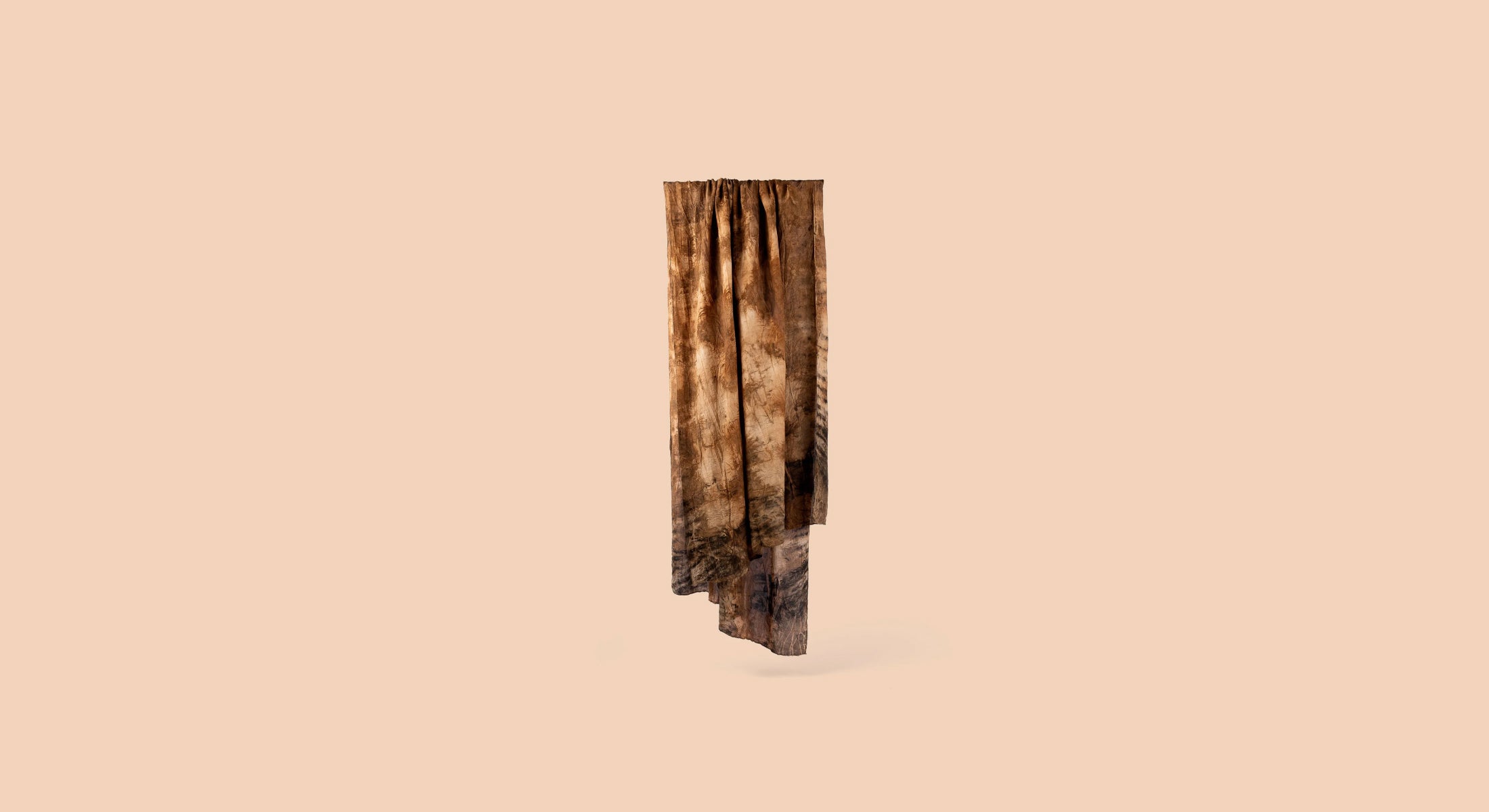
The current generation of designers builds directly on that foundation, with much stronger commercial reach. Liandra Gaykamangu, a Yolngu woman from North East Arnhem Land, runs Liandra Swim, a swimwear label that puts Aboriginal stories on every print.
“I love to be able to share and educate and create positive conversations around Indigenous Australia,” she told NITV Radio. Each piece in the line is named after an Aboriginal woman from the community: the Vinka bikini after Western Australian doctor Vinka Barunga, the Marcia one piece after Marcia Ella Duncan, the first Aboriginal netball player to represent Australia.
Bundjalung woman Ella Noah Bancroft runs YHI Creations on a slow-fashion model, upcycling waste clothing rather than producing new garments. Her work centres Indigenous rights, environmental protection, and localised economies. The names change, the regions change, but the constant is the same: every label runs the story behind the print as a core product, not a marketing afterthought.
The National Indigenous Fashion Awards
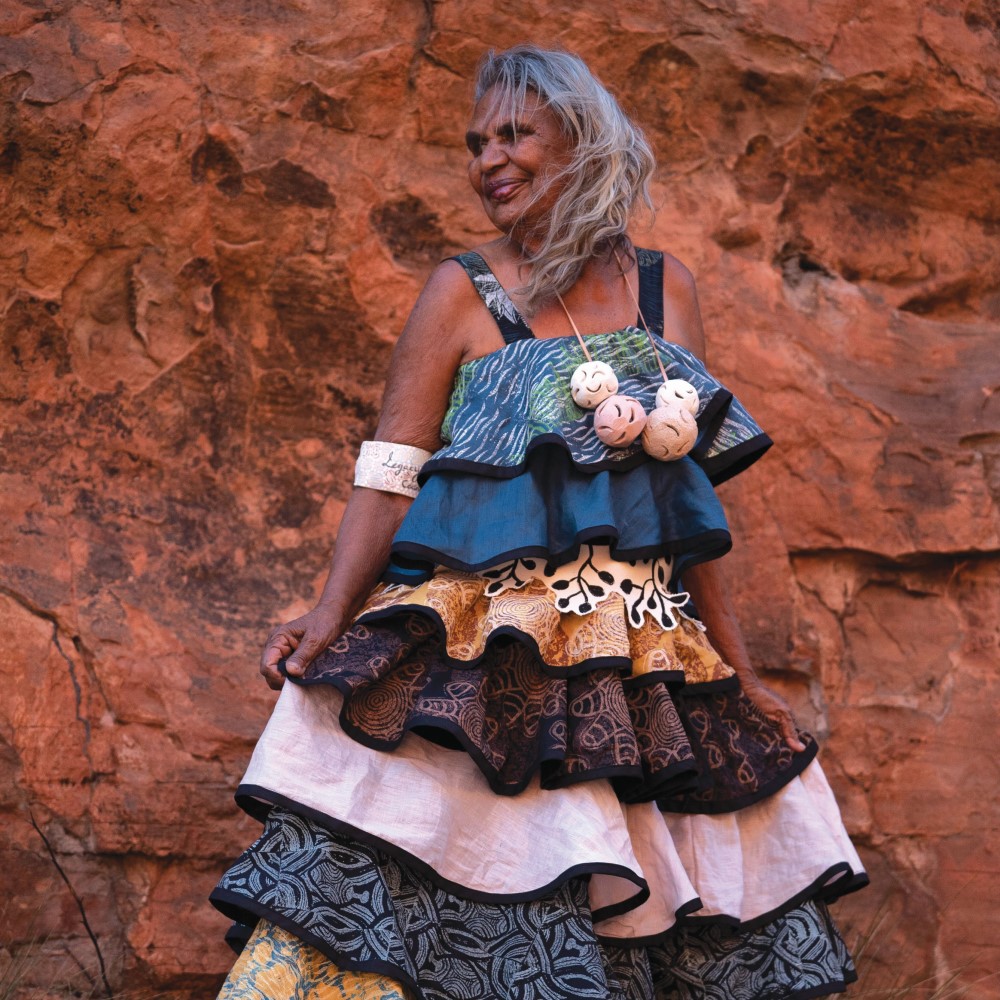
NIFA gave the rise its formal national platform. Among its six categories, the Cultural Adornment and Wearable Art Award celebrates worn items created as fine or expressive art, used to define or express culture. Judges in 2020 weighed design quality, artistic merit, cultural advancement, construction quality, environmental and social contribution, and wearability.
“Cultural adornment and wearable art showcases thousands of years of Aboriginal culture, ceremony and song,” said Ursula Raymond, Deputy Treaty Commissioner for the Northern Territory and 2020 NIFA judge. The prize includes a $5,000 cash component plus a slot in Country to Couture and an editorial story with a major Australian art magazine. For a working First Nations designer, that combination is a measurable boost.
Sustainability and Slow Fashion
What separates wearable Aboriginal art from fast fashion is the pace. Many designers are deliberately slow, deliberately small. Liandra Swim produces prints on fabric made from regenerated plastic. YHI Creations refuses to make new clothes at all, repurposing tee-shirts destined for landfill into pieces with activist messages.
“If there is anything that is quite different about Indigenous fashion it is that it is a much slower process and it is more connected to culture and the land,” Nina Fitzgerald said. “It is not just done and finished and high turnover and mass-produced.” That cultural connection is the part the fast-fashion industry cannot replicate, and the reason wearable Aboriginal art continues to rise.