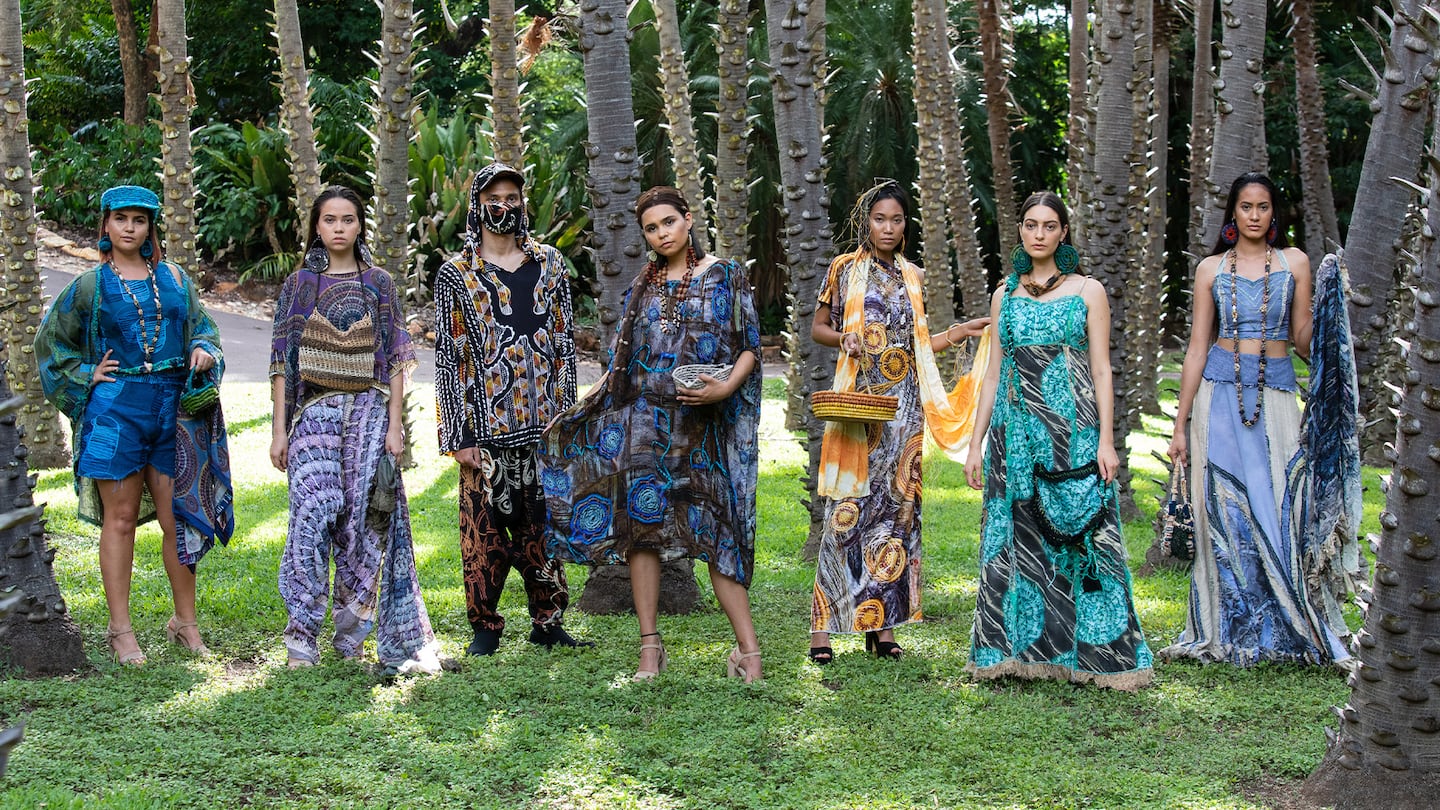
Australian Aboriginal art is one of the world’s oldest living art traditions, and its influence on the fashion industry is growing in ways that go far beyond surface pattern. Across resort wear, scarves, swimwear, and high-end collections, Aboriginal designs are reshaping how Australian fashion thinks about identity, storytelling, and the land at the centre of it all.
The Essence of Aboriginal Art in Fashion
At the heart of Aboriginal art fashion is the relationship between Indigenous people and their ancestral lands. Traditional symbols, colours, and motifs do not exist simply as decoration. They carry stories of creation, community, and connection to Country, narratives passed down through generations. When those symbols appear on a garment, the garment itself becomes a vehicle for that story.
This is what separates Aboriginal art fashion from trend-driven surface borrowing. The designs speak to a living culture. Dreamtime stories, ceremonial knowledge, and accounts of specific landscapes are embedded in patterns ranging from dot painting to rarrk cross-hatching that now appear on silk scarves and resort dresses sold in Australian boutiques and, increasingly, overseas.
Designers working in this space typically collaborate closely with Indigenous communities to ensure the designs remain authentic and that artists are fairly compensated for their cultural contribution. That collaboration is not optional. Without it, the work loses both its integrity and its meaning.
How Aboriginal Fashion Reached the Global Runway
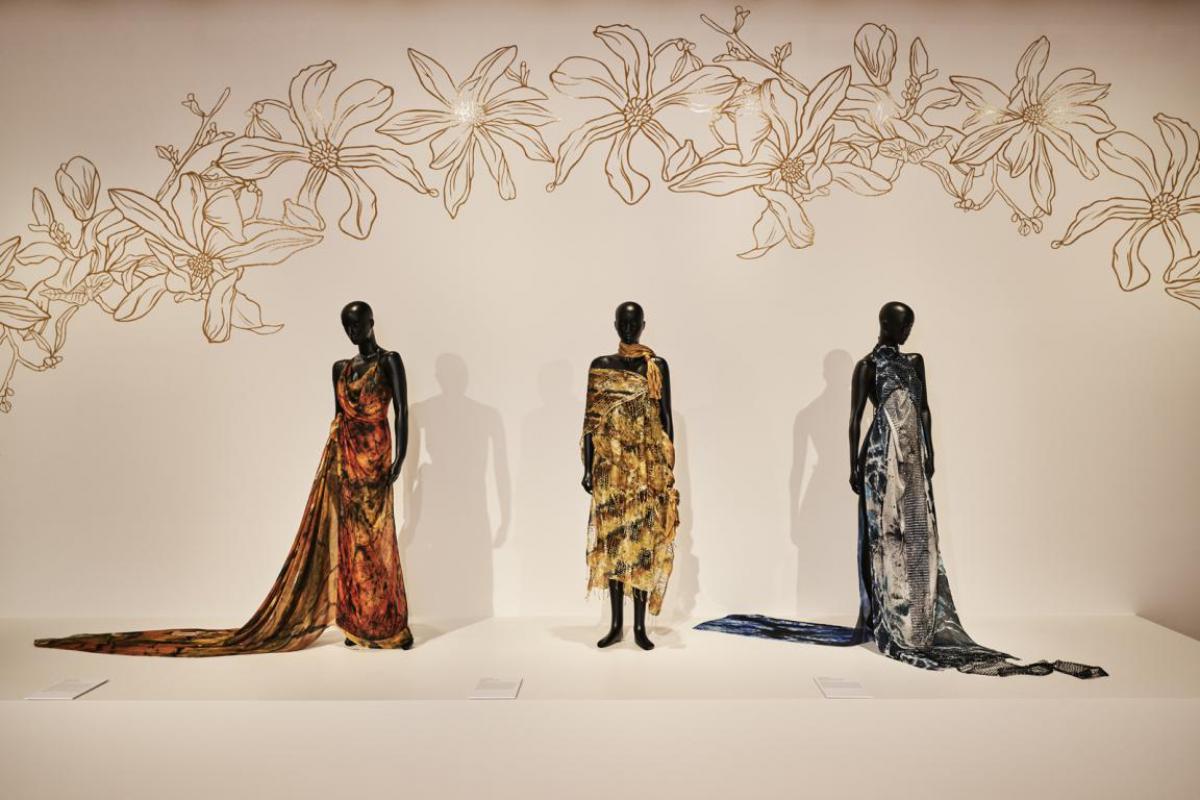
Fashion has long been an afterthought in conversations about Aboriginal art, but that is changing. Dr Amanda Healy, founder of luxury label Kirrikin and a Koori woman from the Wonnarua nation of the Hunter Valley, started the brand in 2014 after struggling to find any authentic Aboriginal products on the market.
“One of the obvious areas of Aboriginal participation has been in the artistic fields, and fashion is now emerging as an offshoot of that,” she said.
Kirrikin features the work of contemporary Indigenous artists on resort wear, dresses, scarves, and ties. The label has since taken collections to fashion shows in Brussels, London, and Dublin, coinciding with embassy-led cultural initiatives and the unveiling of Aboriginal artworks in Belgium. All profits from Kirrikin return to participating artists, community projects, or back into business growth.
“I started Kirrikin after struggling to find any authentic Aboriginal products on the market. I also fell in love with Aboriginal artwork and saw an opportunity to make them into beautiful products and give back to the artist,” said Dr Healy.
Designers and Labels Leading the Way
Aboriginal art fashion is not the work of a single label. Designers such as Grace Lillian Lee and Lyn-Al Young, alongside social enterprise North, have been among the most visible names on national and international runways. Each brings a different regional art tradition into contemporary clothing, which means the movement itself is as diverse as the cultures it draws from.
For many remote communities, art and fashion is also a primary source of income. Arnhem Land label Bábbarra Designs is made up of women from the Maningrida region who hand-print textiles telling the ancestral stories of their country. The growth of these labels, alongside the broader rise of wearable Aboriginal art, represents a commercially viable part of the Australian fashion industry rather than a niche project.
Cultural Appreciation Over Appropriation
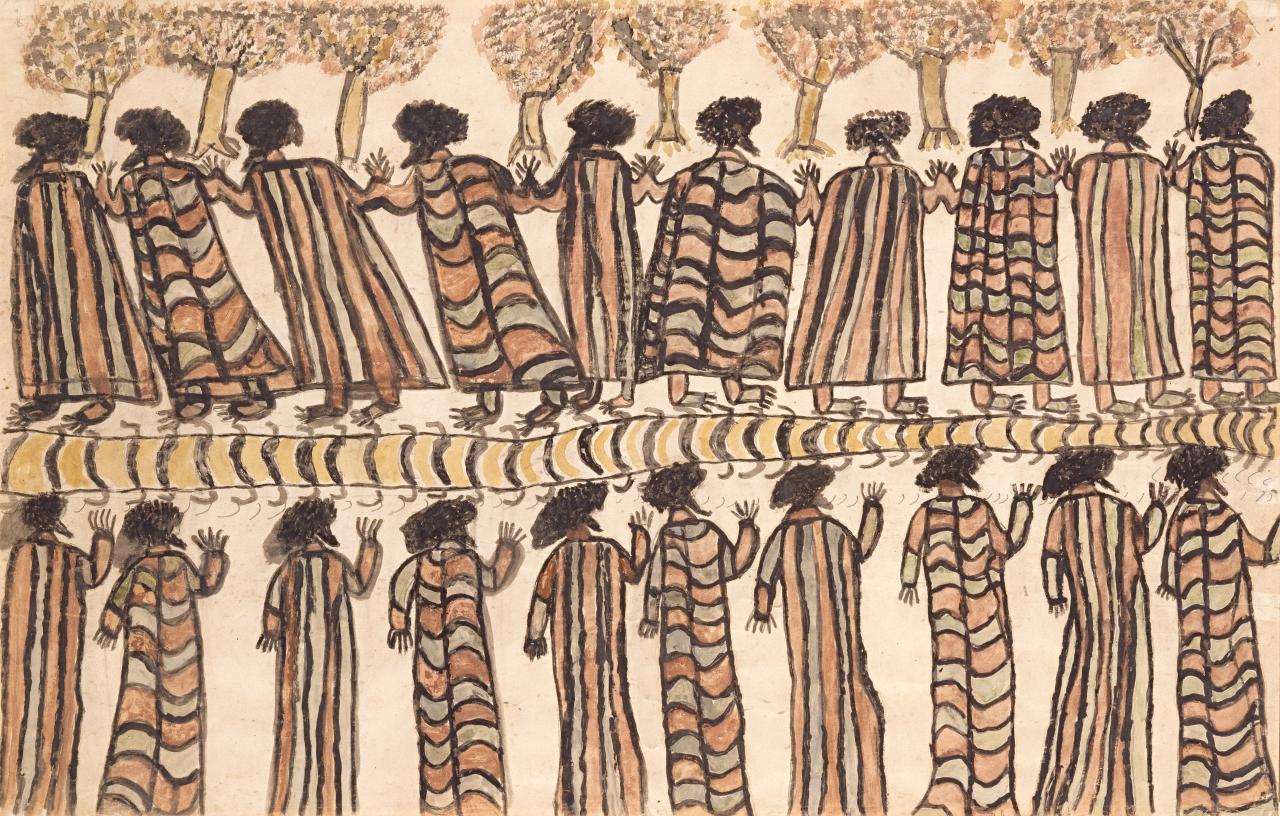
The rise of Aboriginal art in fashion has forced a more honest conversation across the industry. The question of cultural appreciation versus appropriation sits at the centre of every collaboration, and it is one that cannot be answered by a non-Indigenous designer working alone.
The labels gaining ground are those that approach the work with care: involving Indigenous artists from the start, compensating them fairly, and ensuring the stories behind the designs are told rather than stripped away. This shift pushes the industry beyond aesthetic borrowing toward something that genuinely benefits the communities whose culture is being shared.
The broader peak body network, including Arnhem, Northern and Kimberley Artists (ANKA), exists specifically to protect artists from exploitation and to certify ethical operations. Choosing to buy ethically made Aboriginal clothing from labels affiliated with these bodies is one practical way consumers can support the movement rather than undermine it.
What This Means for Australian Buyers
For shoppers, the rise of Aboriginal art fashion has changed how to read a label. The provenance of a piece, who the artist is, where the design originated, and whether the artist is paid through the sale, now sits alongside cut and fabric as part of the buying decision. A scarf from Kirrikin or a printed dress from Bábbarra carries information about the artist on the tag, and that information is the proof point that the work is licensed rather than copied.
The commercial growth feeds back into the same communities through training, mentorship, and direct artist income. As Dr Healy noted, Aboriginal businesses have been emerging at pace across Australia over the last decade, and fashion is one of the sectors where that growth has been most visible.
“As an Aboriginal woman I think it is critically important to all Australians that our rich culture is preserved, we are a better place for it,” she said.