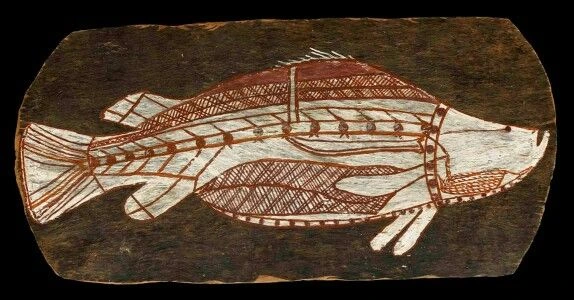
X-ray art in Aboriginal culture is a distinctive traditional painting style that depicts both the external shape and the internal anatomical structures of humans and animals. Artists from Western Arnhem Land use natural ochre pigments to paint detailed cross-sections showing bones, ribs, and internal organs. This unique visual approach connects physical survival with deeply rooted spiritual beliefs and Dreamtime stories.
Understanding this ancient technique requires looking beyond its stunning visual transparency. The meticulous anatomical details serve a profound cultural purpose. They demonstrate a continuous relationship between Indigenous creators, their natural food sources, and the ancestral spirits that inhabit their Country.
The Origins of Aboriginal X-Ray Art
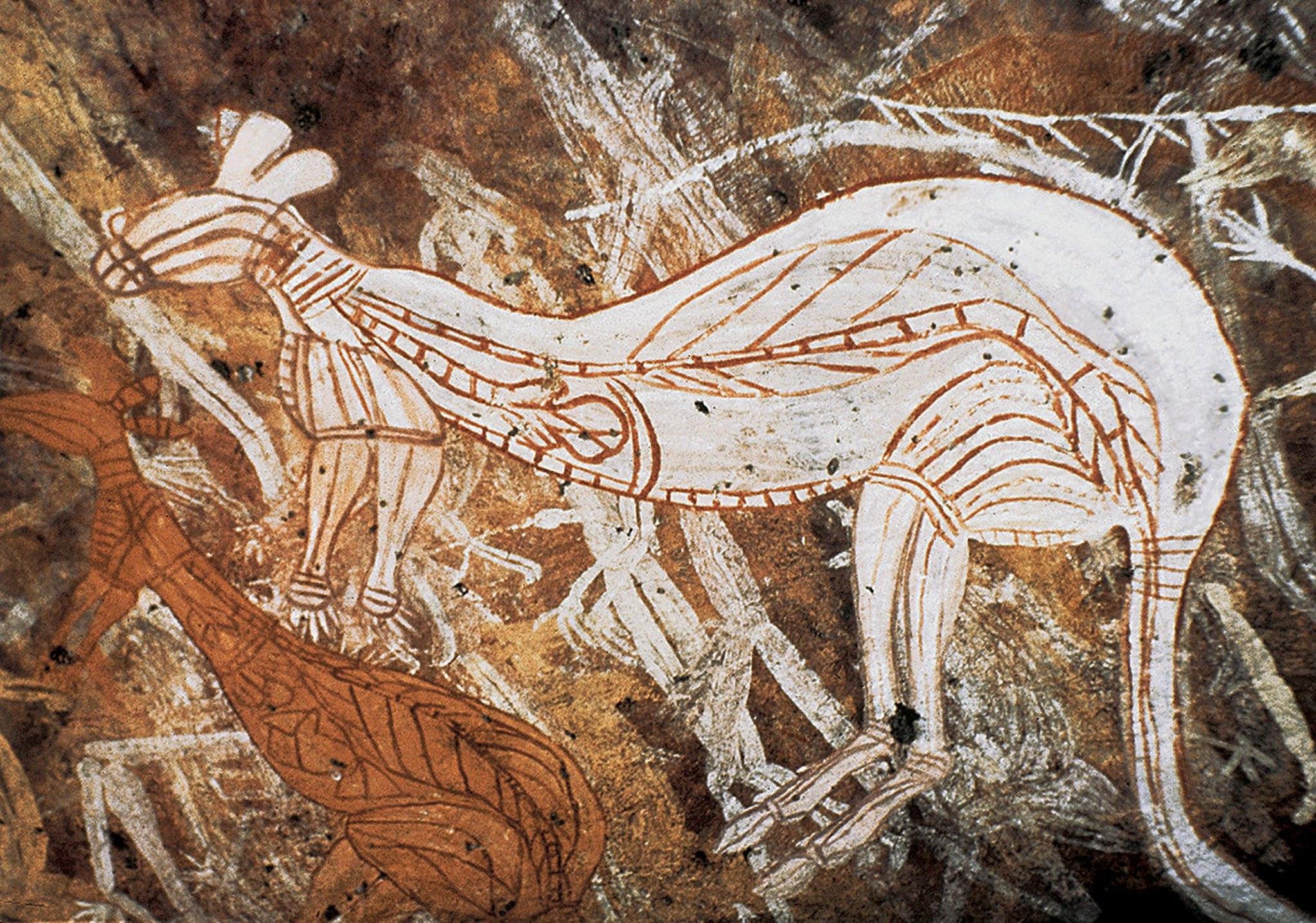
The X-ray painting tradition originates primarily from Western Arnhem Land in Australia’s Northern Territory. Archaeological evidence traces this specific artistic method back to approximately 2000 BCE. Ancient creators painted these intricate anatomical visions on the walls of shallow caves and rock shelters.
Today, Kakadu National Park holds some of the world’s most significant examples of this ancient style. Sites like Ubirr and Injaluk feature thousands of incredibly preserved rock paintings. These locations served as critical teaching spaces for early Aboriginal communities.
Unlike the Aboriginal dot painting movement that emerged later in the Central Desert, the X-ray technique developed in regions with abundant wildlife and massive rock canvases. Understanding how styles differ by region helps you recognize authentic Arnhem Land traditions.
Combining X-Ray With Rarrk
Many x-ray paintings combine the figure with rarrk patterning across the body cavities, the line work filling in what the outline shows. The technical side of how those lines are built up is covered in the rarrk article.
The style emerged in Arnhem Land's coastal and floodplain country, where barramundi, file snake, turtle, magpie goose, and saltwater crocodile dominated the diet. Showing the internal structure of these animals was a way of teaching the next generation where the eggs sit inside a turtle, how to cut a barramundi along its spine, and where fat sits in a goose ready for the wet season. The Arnhem Land x-ray figure is in this sense a coastal fishing and hunting culture's record, not a generic anatomical diagram.
What Do the Internal Details Mean?
The exposed skeletons and organs carry dual layers of meaning. On a practical level, these paintings served as highly effective educational tools. They functioned as visual guides for hunting and butchering native animals. A detailed painting of a barramundi or a kangaroo taught younger generations how to dissect their primary food sources.
On a spiritual level, the internal organs represent the life force of the creature. Depicting both the inside and outside acknowledges the complete essence of the animal. It honors the creature’s physical existence and its spiritual significance within the local ecosystem.
These paintings often depict local fauna that sustained the community. However, the subjects also include humans, creation ancestors, and Dreamtime narratives. In some sacred sites, artists painted specific internal features like a female womb to symbolize fertility and ongoing creation.
Mythical Beings and Mimi Spirits
The X-ray style is heavily associated with the depiction of supernatural entities. The Mimi spirits are perhaps the most famous figures painted in this specific manner. Aboriginal folklore describes Mimi spirits as incredibly thin, fairy-like beings who live in the rock crevices of Arnhem Land.
According to traditional beliefs, the Mimi spirits actually created the very first rock art. These ancient spirits then taught the local Aboriginal people how to hunt, how to sing, and how to paint in the transparent X-ray style.
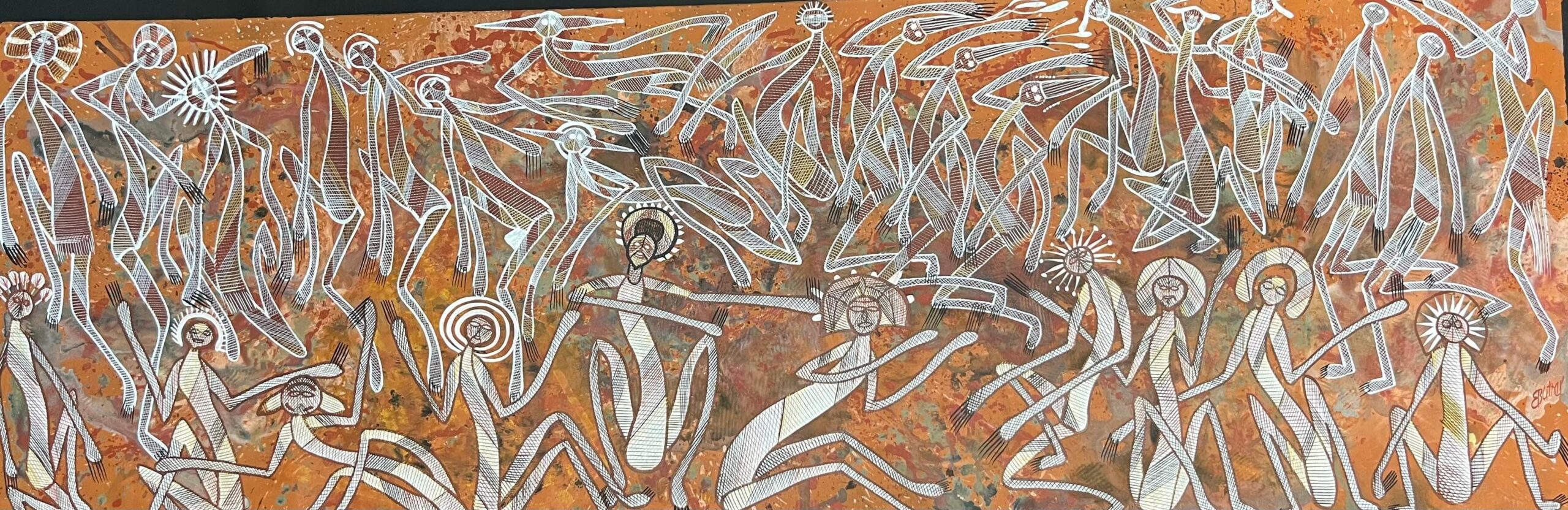
When artists paint these ethereal figures, they often expose their delicate skeletal structures to emphasize their fragile, otherworldly nature. The transparent anatomy visually reinforces their status as supernatural teachers and guardians of the land.
X-Ray Art in the Modern Era
This continuous artistic tradition survived European colonization and thrives today. Contemporary Indigenous artists have successfully transitioned the X-ray style from ancient rock walls to modern mediums. Artists now paint these complex internal structures on prepared tree bark, modern canvas, and sculptural pieces.
Modern adaptations maintain the strict anatomical rules of the ancient tradition. A contemporary bark painting holds the same cultural authority and educational value as a 4000-year-old rock mural.
Ethical engagement with this art form requires purchasing from authentic sources. Koarooginal works directly with Indigenous creators from regions like Arnhem Land. Our collections ensure that every X-ray design you bring into your home respects the deep cultural traditions it represents. We prioritize fair compensation and strict cultural authenticity in every piece we offer.
FAQ
Why do Aboriginal artists paint skeletons?
Aboriginal artists paint skeletons and internal organs to represent the entire life force of the subject. The technique serves both practical and spiritual purposes. It provides an anatomical guide for butchering food animals while simultaneously honoring the creature’s spiritual essence and ancestral connection.
Where is X-ray art found in Australia?
The X-ray painting style is predominantly found in Western Arnhem Land in the Northern Territory. The rock shelters and caves within Kakadu National Park, specifically ancient sites like Ubirr, contain the most famous and concentrated examples of this artistic tradition.
How does X-ray art differ from dot painting?
X-ray art originated in the northern coastal regions and focuses on revealing internal anatomical structures using continuous lines and ochre colors. Dot painting originated in the Central and Western Desert regions much later. Dot painting utilizes thousands of individual dots to conceal sacred meanings and create aerial maps of the landscape.
Reading X-Ray Figures More Carefully
The X-ray art in Aboriginal culture stands as one of the world’s most enduring and fascinating artistic traditions. By rendering the hidden bones and organs of their subjects, Northern Territory artists create visual records that merge ecological knowledge with profound spiritual reverence. Support genuine Indigenous creators who continue to share these transparent masterworks with the broader world.